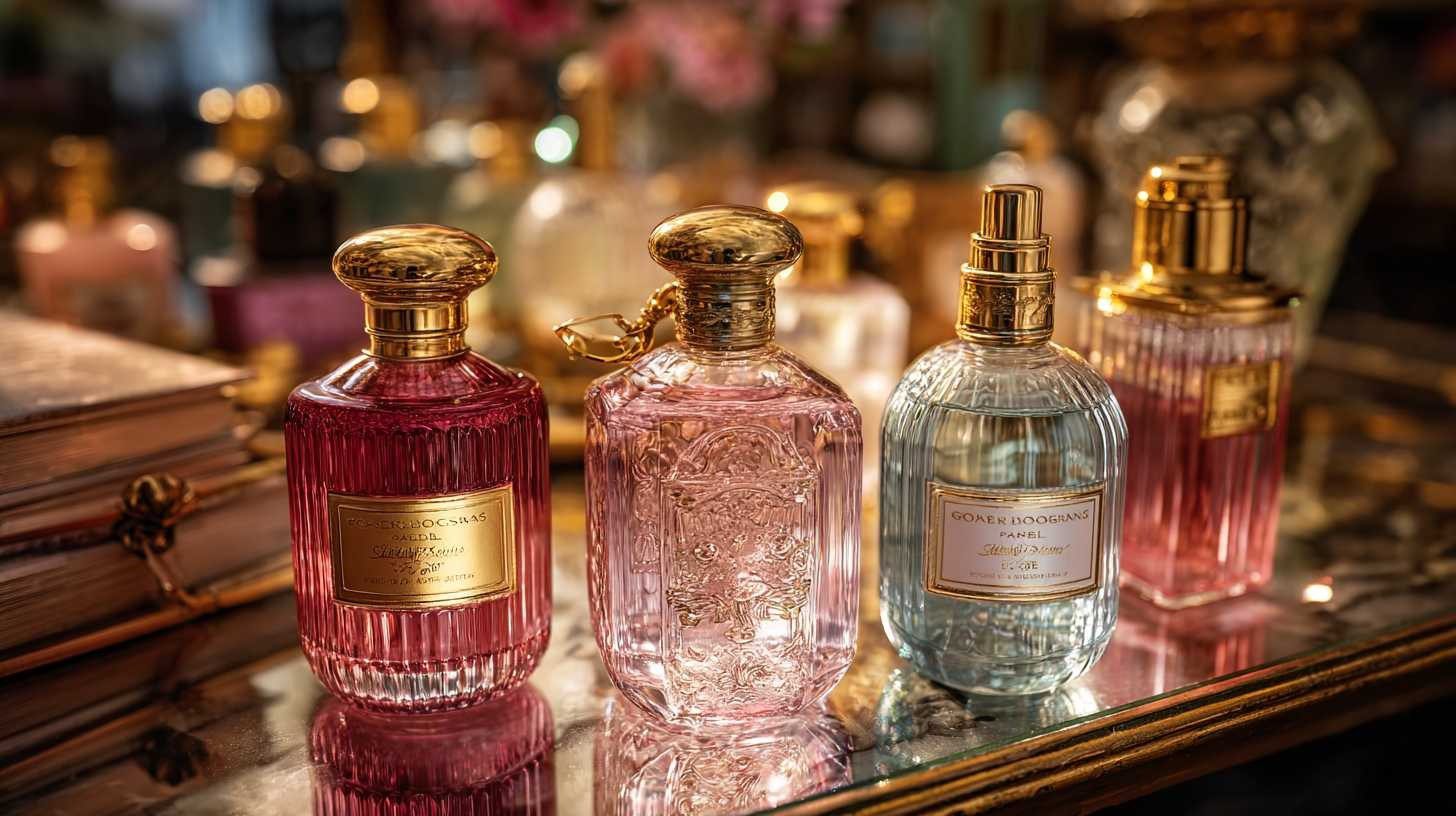
Fragrance lovers are increasingly drawn to scents that offer depth, warmth, and a distinctive character. Amber eau de parfum fits naturally into this interest, combining rich accords with complementary notes that evolve throughout wear. Rather than relying on a single dominant aroma, amber compositions can bring together resinous warmth, soft sweetness, woods, and spices to create a multifaceted fragrance. This versatility makes amber an enduring presence in contemporary perfumery.
Warm Notes That Give Amber Eau de Parfum Its Distinctive Character
Amber is commonly used in perfumery to describe an accord rather than one specific ingredient. Perfumers often combine materials such as labdanum, benzoin, vanilla, and woods to create a warm, resinous impression. Depending on the composition, the result may feel smooth and softly sweet or darker and more complex.
The concentration of a fragrance can also influence the wearing experience. Eau de parfum typically contains a higher proportion of fragrance concentrate than eau de toilette, although the exact concentration and longevity vary by product. This format can provide a rich scent experience, allowing the different notes in a composition to unfold over time.
For those interested in this style, amber eau de parfum offers a starting point for exploring the character of amber in a contemporary fragrance. When assessing an amber scent, it can be helpful to consider how its opening notes transition into the heart and base. Fresh or spicy elements may be noticeable initially, while warmer woods, musks, or resinous accords can become more prominent as the fragrance develops.
Amber also works well with contrasting ingredients. Citrus can add brightness, florals can introduce softness, and woody notes can create a deeper foundation. These combinations help explain why amber fragrances can suit a range of preferences rather than fitting into one narrowly defined scent category.
Fragrance Profiles Similar to Amber Eau de Parfum
People who enjoy amber fragrances may also appreciate compositions that share their warmth, softness, or layered character. Musk, for example, can bring a smooth quality to a perfume, while vanilla and other gourmand notes can add sweetness and richness. Although these profiles are distinct from amber, they can offer a similar sense of depth and balance.
A solid perfume musk format offers another way to experience fragrance. Unlike a conventional liquid spray, solid perfume is designed for direct application from a compact format. Its portability can make it convenient for travel or occasional fragrance touch ups, depending on personal preference.
Gourmand compositions are another option for those who enjoy warmth in their fragrance choices. These scents often feature notes inspired by edible aromas, including vanilla and other sweet accords, sometimes balanced with woods, spices, or musk. A gourmand EDP perfume can provide a different interpretation of richness, emphasizing sweet or creamy notes rather than amber’s characteristic resinous warmth.
Exploring related scent families can help fragrance enthusiasts identify which elements appeal to them most. Some may prefer amber’s resinous depth, while others gravitate toward musky softness or gourmand sweetness. Comparing compositions on the skin and allowing time for them to develop can reveal subtle differences that are not always apparent from the initial impression.
Amber eau de parfum continues to offer a versatile foundation for modern fragrance, bringing warmth and complexity to a wide range of scent combinations. Its appeal lies in the balance between familiar richness and the many creative directions contemporary perfumery can take.



Leave a Reply