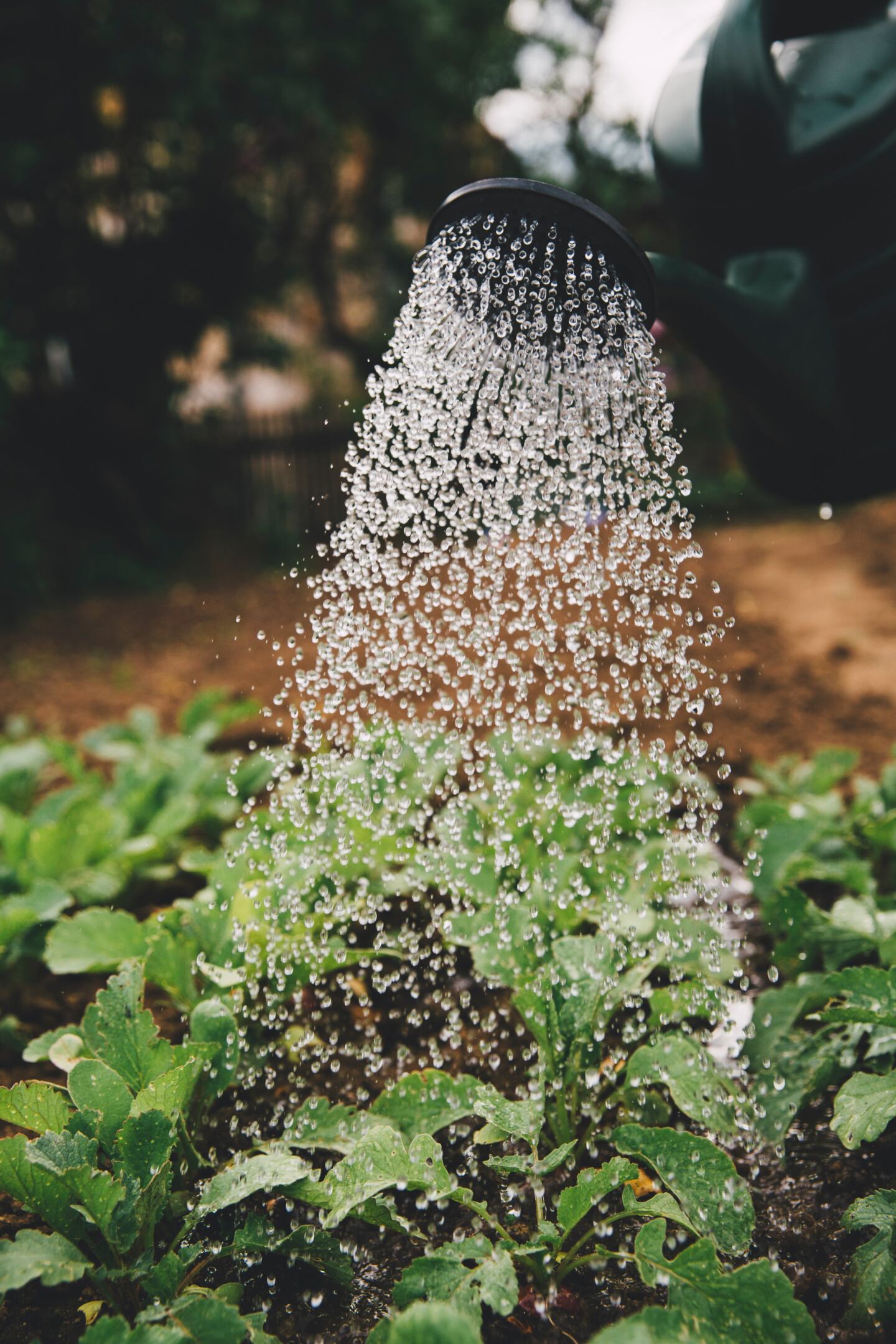
Our gardens can be so much more than just blank spaces of grass reserved as the dog’s bathroom and occasional BBQ location. They have the potential to become spaces we use every day to support our physical and mental wellbeing. A feel-good garden is more than a collection of plants; it’s a personal retreat, a perfect patch of peace just outside your backdoor. It’s also surprisingly easy to cultivate, with the right tools and the right mindset.
Designing for Wellbeing: The Heart of a Feel-Good Garden
A well-designed garden can be a sanctuary from daily stress. Start by thinking about how you want to feel in the space. Calm? Energised? Inspired? Shape your layout accordingly and include winding paths or quiet corners. Add seating areas where you can relax with a cup of tea or a good book too. When it comes to greenery, meanwhile, choose sensory plants like lavender and rosemary for a multi-sensory experience. Take a cue from the RHS Feel Good Garden, which blends structure with serenity with soft, flowing lines, soothing palettes, and accessible pathways.
Embracing Colour Therapy: Planting for Mood Enhancement
Colour has a powerful effect on mood, so use it strategically. Blues and purples (think salvia, lavender, or catmint) promote calm and focus, while yellows and oranges, such as marigolds and calendula, inject energy and optimism. Layer different hues through flowers, foliage, and even containers to create an uplifting, expressive garden. Remember, however, that balance is important. Too much brightness can feel chaotic; too much coolness may come off as dull. A mix of tones will keep the space lively yet grounded.
Little Luxuries from the Garden: Growing Your Own Vegetables
Nothing beats the satisfaction of picking fresh produce from your own garden. Vegetables like onions, tomatoes, and salad greens are beginner-friendly and bring both visual charm and culinary value. Onion plants, for example, can be planted along borders or among flowers to add structural interest with their upright green shoots. Integrating edibles into ornamental beds, or creating a dedicated kitchen garden, gives your space added purpose, and you get delicious rewards for your effort.
Structuring Your Space: Practical Layouts for Beauty and Function
A good garden is one that works for you. Raised beds are perfect for beginners—they’re easier to manage, reduce weeds, and look neat. Vertical gardening is a smart way to grow more in small spaces. Companion planting, where certain plants support each other’s growth, can improve yields and pest resistance. Use structure to define areas: a dining nook, a vegetable patch, a flower bed. Thoughtful planning makes maintenance simpler and keeps the garden looking cohesive.
Sustaining Joy: Maintaining Your Feel-Good Garden Year-Round
Your garden is a living system that needs persistent attention to thrive. Rotate seasonal plants to keep colour and interest year-round. Enrich soil with compost, mulch regularly, and watch for pests. Little weekly check-ins keep problems manageable and help you stay connected to your space. Ultimately, gardening is as much about the journey as the destination. Each weed pulled or seed sown is an act of care for the garden and yourself. Start small, stay curious, and let your feel-good garden grow with you.



Leave a Reply