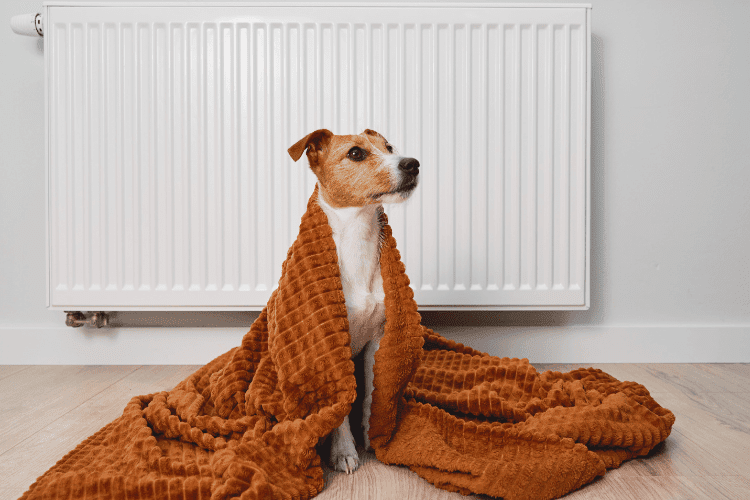
Bringing a new pet home is an exciting experience, but it also comes with responsibilities. Preparing your space ahead of time can help your new companion feel comfortable, safe, and welcome. From setting up a cozy resting area to establishing routines, a few simple steps can make the transition easier for everyone.
Create a Safe Space for Your New Pet
Create a quiet room for your new pet. This will help them feel safe and calm. Add bedding and water to make it comfortable. You want this space to be their own for adjustment. It helps them settle in better.
Want to learn more about making your home welcoming?
Set up a quiet room or area for adjustment
Choose a quiet, low-traffic room as your new pet’s safe space. This gives your companion a calm place to adjust to the home environment.
Let your pet spend time there during the adjustment period. Next, check the rest of your home for hazards.
Provide bedding, water, and species-specific necessities
Set up a clean bed in your pet’s safe space. Place fresh water nearby. Add species-specific supplies, such as a litter box for a cat or a leash for a dog. Next, check your home for hazards as you begin petproofing.
Pet-Proof Your Home
Pet-proofing your home means making it safe for your new friend. Take away harmful items like toxic plants and cleaning supplies. Keep loose wires tucked away and small objects out of reach.
This helps prevent accidents and keeps your pet healthy. Want to learn more about creating a safe space for your furry companion?
Remove hazardous items like toxic plants and cleaning supplies
Move toxic plants out of your new pet’s reach or remove them from your home. Store cleaning supplies in a closed cabinet to keep your pet safe.
Secure loose wires and small objects
After you remove toxic plants and cleaning supplies, check your home for loose wires and small objects. This step supports pet preparation and home safety.
Tuck wires behind furniture or cover them with cord guards to keep a new pet from chewing them. Pick up small items, such as coins, buttons, and hair ties, that a curious pet could swallow.
Prepare Essential Supplies
Gather all the necessary supplies your new pet will need. Get food, bowls, and grooming tools ready. Make sure any ID tags or microchips are up to date. These items help keep your pet safe and happy.
To learn more about what you need for a smooth start, check out our tips!
Gather food, bowls, and grooming tools
Pick the right food for your new pet. Look for high-quality options that fit their age and breed. Get a sturdy feeding bowl. Choose one that is easy to clean and won’t tip over easily.
You will also need water bowls to keep them hydrated.
Collect grooming tools based on your pet’s needs. Brushes, nail clippers, and shampoos are must-haves for most pets. Make sure each tool matches your animal’s fur type or size. Having these supplies ready helps with smooth care routines in your home environment. Coat type matters here, and owners comparing Miniature Poodle puppies for sale should plan for regular professional trims, since curly coats keep growing and can mat quickly.
Next, you will want to establish rules and routines for living together harmoniously.
Ensure ID tags and microchips are updated
ID tags and microchips help keep pets safe. Make sure your new pet has a collar with an ID tag. The tag should have their name and your contact information. This makes it easy for someone to return them if they get lost.
Microchips are another important safety measure. They are small devices placed under the skin by a vet. If your pet goes missing, animal shelters can scan for the chip details. Update both ID tags and microchip information as needed.
This helps ensure you stay connected with your four-legged companion at all times.
Establish Rules and Routines
Set clear rules for your new pet. Decide if they can sit on the furniture or enter certain rooms. Stick to a routine for feeding and walks. This helps them feel secure in their new home.
Furniture boundaries are especially worth considering in shared living areas. Homeowners with leather lounge sofas, for instance, may want to establish a consistent rule about whether pets are allowed on the seating, while also using washable throws or a designated pet bed to help protect the upholstery. Setting these expectations early can make it easier to maintain a comfortable living space for both pets and their owners.
Want more tips on how to make this transition smooth?
Decide on furniture access and household boundaries
Set rules for where your pet can go in the house. Decide which rooms are off-limits. You might want to keep pets away from fragile items or areas like kitchens and bathrooms.
Use baby gates or closed doors to mark boundaries. This will help your new companion feel secure. It also protects your belongings and keeps everyone safe. Establishing these limits early helps with a smooth adjustment period for both you and your pet.
Schedule a veterinary check-up
Schedule a veterinary check-up for your new pet. This step is important for their health and well-being. A vet visit helps ensure vaccinations are up to date. It also allows the vet to check for any health issues early on.
Make sure you have proper identification ready, like ID tags and microchips. These are vital in case your pet gets lost. Regular check-ups can keep your pet healthy and happy throughout their life.
Gradually Introduce Your Home
Bringing a new four-legged friend into your home can be both exciting and overwhelming. Did you know that adjusting to a new environment is one of the biggest challenges pets face? This blog will offer practical steps to help prepare your home, ensuring it’s safe and welcoming for your companion. Ready to create the perfect space for your pet?
Allow your pet to explore new spaces at their own pace
Your new pet will feel comfortable if you let them explore their home slowly. Start with one room before moving to others. Give your pet time to sniff and look around. This helps them learn about their new space.
Watch how they react to different areas. They may like some spots more than others. If you have other pets, supervise their interactions carefully as they adjust. This way, your new companion can settle in without stress or fear.
Monitor interactions with other pets if applicable
New pets need time to adjust, especially around other animals. Keep a close eye on their first meetings. This helps ensure everyone feels safe. Always supervise interactions between pets at the start.
Watch for signs of stress or aggression.
Give each pet space if needed. It might take time for them to get used to one another. Make sure each pet has its own bed and food area in shared spaces. Gradual introductions can help make the transition smoother for all involved animals.
Conclusion
Preparing your home for a new four-legged friend is fun and important. Create a safe space to help them feel at ease. Make sure they have the right supplies, like food and bedding.
Pet-proof your home to keep them safe from harmful items. Set clear rules and routines to guide their behavior. With care and love, you can create a happy environment for your companion.
Enjoy this special journey together!



Leave a Reply