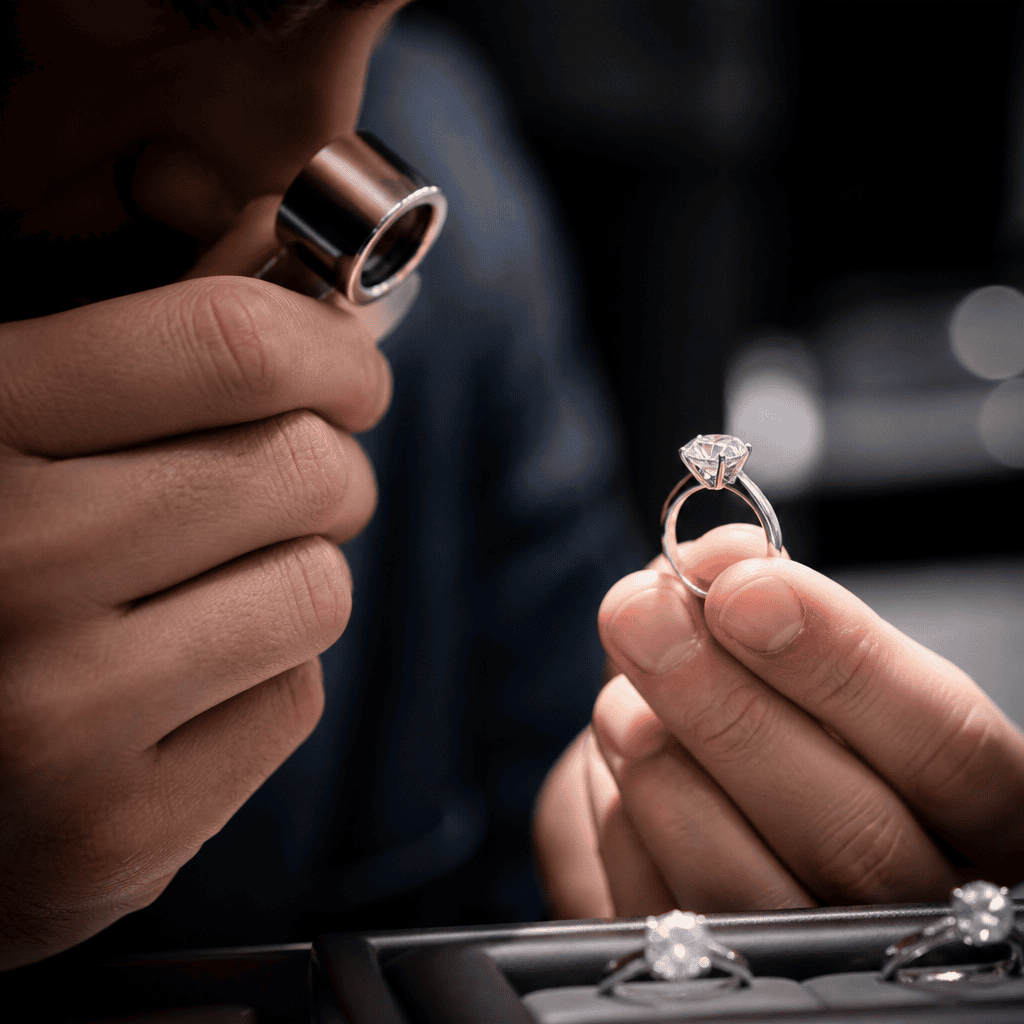
The search for an engagement ring represents one of the most meaningful purchases in a person’s life. Beyond the sparkle and brilliance, these rings symbolize commitment, partnership, and the promise of a shared future. Among the many options available, one-carat diamond rings have emerged as a timeless choice that balances visual impact with enduring elegance. Understanding what makes these rings special requires looking beyond carat weight alone to consider the interplay of quality, craftsmanship, and personal style.
Understanding Carat Weight and Visual Presence
Carat weight measures the mass of a diamond, with one carat equivalent to 200 milligrams. While this metric provides a standardized reference point, the visual appearance of a one-carat diamond depends significantly on its cut proportions and shape. A well-cut round brilliant diamond of one carat typically measures approximately 6.5 millimeters in diameter, creating a substantial presence on the finger without overwhelming the hand. The psychological appeal of reaching the one-carat threshold reflects both cultural significance and the noticeable difference in visual impact compared to smaller stones.
The relationship between carat weight and price follows an exponential rather than linear progression. Diamonds at significant weight thresholds command premium pricing, making the decision between a 0.90-carat and 1.00-carat stone more complex than a simple ten percent difference might suggest. However, for those seeking that perfect balance of size and value, an 18k gold 1 carat diamond ring offers both the psychological satisfaction of reaching the one-carat milestone and exceptional wearability for daily life. The setting metal choice further enhances the diamond’s presence, with 18-karat gold providing both durability and luxurious color options.
The Four Cs Beyond Carat Weight
While carat weight captures immediate attention, the remaining three Cs—cut, color, and clarity—determine the actual beauty and value of a diamond. Cut quality governs how effectively a diamond returns light to the viewer’s eye, creating the brilliance and fire that make diamonds captivating. A poorly cut one-carat diamond will appear less brilliant than a smaller stone with superior proportions. The precision of facet angles, symmetry, and polish separates exceptional stones from merely adequate ones.
Color Considerations
Diamond color grading ranges from D (colorless) through Z (light yellow or brown), with colorless and near-colorless grades commanding the highest prices. For one-carat stones, the color becomes more apparent than in smaller diamonds, making the choice between G and I color grades more significant. The setting metal influences color perception—white metals like platinum emphasize any warmth in the diamond, while yellow gold can make slightly warmer stones appear whiter by contrast. Personal preference and budget constraints should guide this decision, as many people cannot distinguish between adjacent color grades once the diamond is set.
Clarity and Eye-Clean Standards
Clarity refers to the absence of inclusions and blemishes, with grades ranging from Flawless to Included. The practical standard for most buyers is “eye-clean,” meaning no inclusions are visible to the naked eye from a normal viewing distance. For one-carat diamonds, SI1 and SI2 clarity grades often provide eye-clean stones at considerably lower prices than VS grades. Inclusion type, position, and color all influence visibility, making individual stone inspection essential rather than relying on grades alone.
Shape Selection and Personal Style
Diamond shape profoundly affects the ring’s aesthetic and how the carat weight translates to visual size. Round brilliant cuts maximize light return but command premium pricing due to higher rough diamond waste during cutting. Princess cuts offer contemporary geometric appeal with better value retention per carat. Oval, pear, and marquise shapes create an elongated finger appearance and can look larger than rounds of equivalent weight. Emerald and Asscher cuts appeal to those seeking vintage elegance and showcase clarity over brilliance. Buying an engagement ring involves aligning these aesthetic choices with practical considerations about wearability and lifestyle.
Setting Styles and Metal Choices
The setting amplifies the diamond’s beauty while protecting it during daily wear. Prong settings maximize light entry and make the diamond appear larger, while bezel settings offer superior protection for active lifestyles at the cost of some visual size. Halo settings surround the center stone with smaller diamonds, increasing overall sparkle and apparent size. Three-stone settings add symbolic meaning by representing past, present, and future. Metal selection between platinum, white gold, yellow gold, and rose gold affects both the aesthetic and maintenance requirements, with 18-karat gold offering an ideal balance of purity and durability.
Certification and Verification
Independent gemological laboratory certification provides essential documentation of a diamond’s characteristics. The Gemological Institute of America (GIA) sets the industry standard for consistent, reliable grading. Certificates detail the four Cs, fluorescence, and proportions, enabling informed comparisons between stones. For significant purchases like one-carat diamonds, certification protects buyers from misrepresentation and provides necessary documentation for insurance purposes. Understanding how to read and interpret certificates empowers buyers to make confident decisions. According to expert guidance on engagement ring shopping, verification from reputable sources remains crucial for ensuring quality and value.
Budget Planning and Value Optimization
Establishing a realistic budget before shopping prevents emotional overspending and focuses attention on achievable options. The traditional guideline of spending two to three months’ salary has given way to more personalized approaches based on individual financial situations and priorities. Optimizing value involves strategic tradeoffs—accepting a lower color grade that remains eye-pleasing, choosing a shape that maximizes face-up size, or selecting a clarity grade that achieves eye-clean status without paying for microscopic perfection. Timing purchases around seasonal sales and considering alternative retailers can yield significant savings without compromising quality.
The Leon Diamond Approach to One-Carat Excellence
Leon Diamond has established a reputation for curating exceptional one-carat engagement rings that balance quality with value. Their collection emphasizes carefully selected diamonds that meet strict cut quality standards, ensuring maximum brilliance and fire. The brand’s focus on 18-karat gold settings reflects a commitment to both aesthetic beauty and long-term durability. By maintaining direct relationships with diamond suppliers and craftspeople, Leon Diamond eliminates unnecessary intermediaries, passing those savings to customers without compromising on quality. Their approach recognizes that purchasing an engagement ring represents both an emotional commitment and a significant financial investment, deserving of expert guidance and transparent information.
Maintenance and Long-Term Care
A one-carat diamond engagement ring requires ongoing care to maintain its brilliance and structural integrity. Regular cleaning removes the oils and residues that accumulate during wear, which can dull the diamond’s sparkle. Professional inspections every six months ensure prongs remain secure and settings show no signs of wear. Insurance coverage protects against loss, theft, or damage, with appraisals updated periodically to reflect current replacement costs. Understanding proper wearing practices—removing rings during heavy activities, avoiding harsh chemicals, and storing separately to prevent scratching—extends the ring’s beauty across generations.
Making the Final Decision
Selecting a one-carat engagement ring culminates in balancing objective quality factors with subjective personal preferences. While technical specifications provide essential guidance, the emotional resonance of a particular ring often proves decisive. Viewing multiple options in person reveals how subtle differences in cut, color, and setting style affect overall appearance. Considering the recipient’s lifestyle, aesthetic preferences, and practical needs ensures the ring brings daily joy rather than worry. The perfect one-carat engagement ring reflects not just the giver’s budget but their understanding of what makes the relationship unique and worth celebrating with a symbol designed to last forever.



Leave a Reply