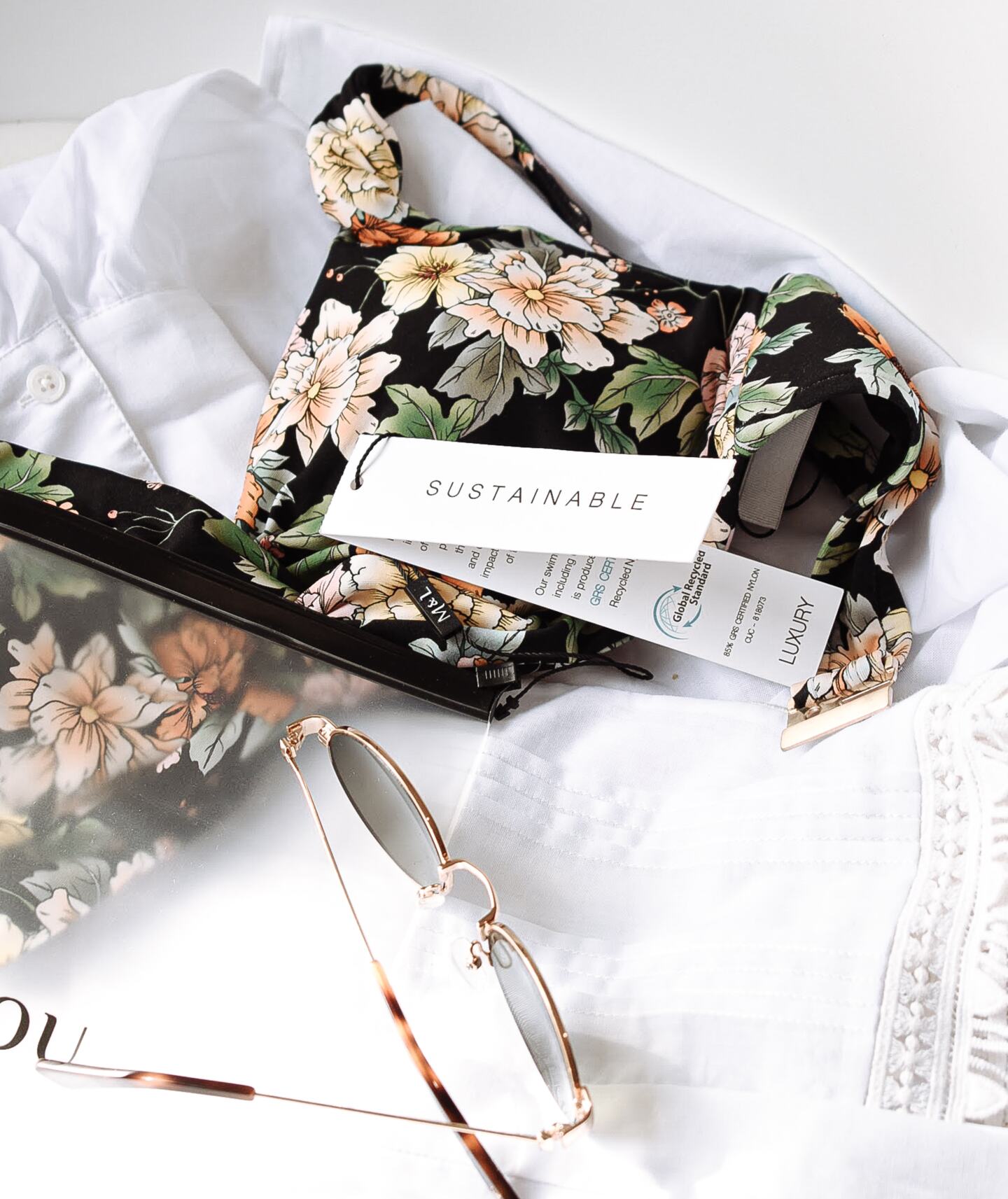
Your closet is the best place to start when you desire new clothes or accessories. Chances are there are at least a few items you can transform to be more sustainable about your fashion choices. It is also a simple way to ensure you have unique pieces that no one else will have. In addition, you may spark interest with your friends and family to transform their clothes. You may also have the opportunity to share items during the designing process.
Use Fabric Painting
Doing fabric painting is a fantastic and easy way to revamp your clothing. The best part is that you do not necessarily need to have any drawing skills. However, you need high-quality garments, like one of the tops in Bella+Canvas baby tee collection.
While you can certainly draw complex designs onto your clothing, there are several other options to think about. Let’s say you want a technique that is as simple as possible. Consider splattering or doing dot designs. Use stencils for a more structured or intricate approach.
The painted designs can be all over the garments or limited to one spot. Do not be afraid to get creative and see what you can do. Practice beforehand on a scrap piece of fabric to see how it comes out before you do it on the final piece. Practicing will ensure the final product is elegant. Also, take your time to avoid mistakes.
Cut a Dress Into Two Pieces
Many outfit possibilities can come from cutting a dress into two pieces. This transformation can be an excellent option for various reasons, such as maybe you do not like the dress anymore, it no longer fits right, or some stains will not come out. The structure and condition of the garment may dictate what you can turn it into.
Some new options for cutting a dress into two pieces include turning the top into a crop, tank, or t-shirt. The bottom can change into a skirt; you can shorten it if you want to modify the length. Another option is to turn the bottom into a top, matching top, and skirt if the bottom is long enough.
Add Embroidery
Embroidery is a beautiful way to revamp clothing, including dresses, sweatshirts, t-shirts, and skirts. Use it to cover up flaws like small holes or stains. The exquisite decorating technique can range from small and simple to large and elaborate, depending on how complex you want it to be.
Put on Patches
Patches are one of the easiest ways to revamp an article of clothing. Typically they are iron-on, so there is no need for any sewing skills.
You can put the patches on several garments and in a range of different spots as long as the material is strong enough to support the weight of the patch. For example, you can put a border of tiny flowers along the outer edges of pockets on jeans or the waistband. Additional possibilities include shirt sleeves, the front of jackets, or a t-shirt pocket.
Add Distressing
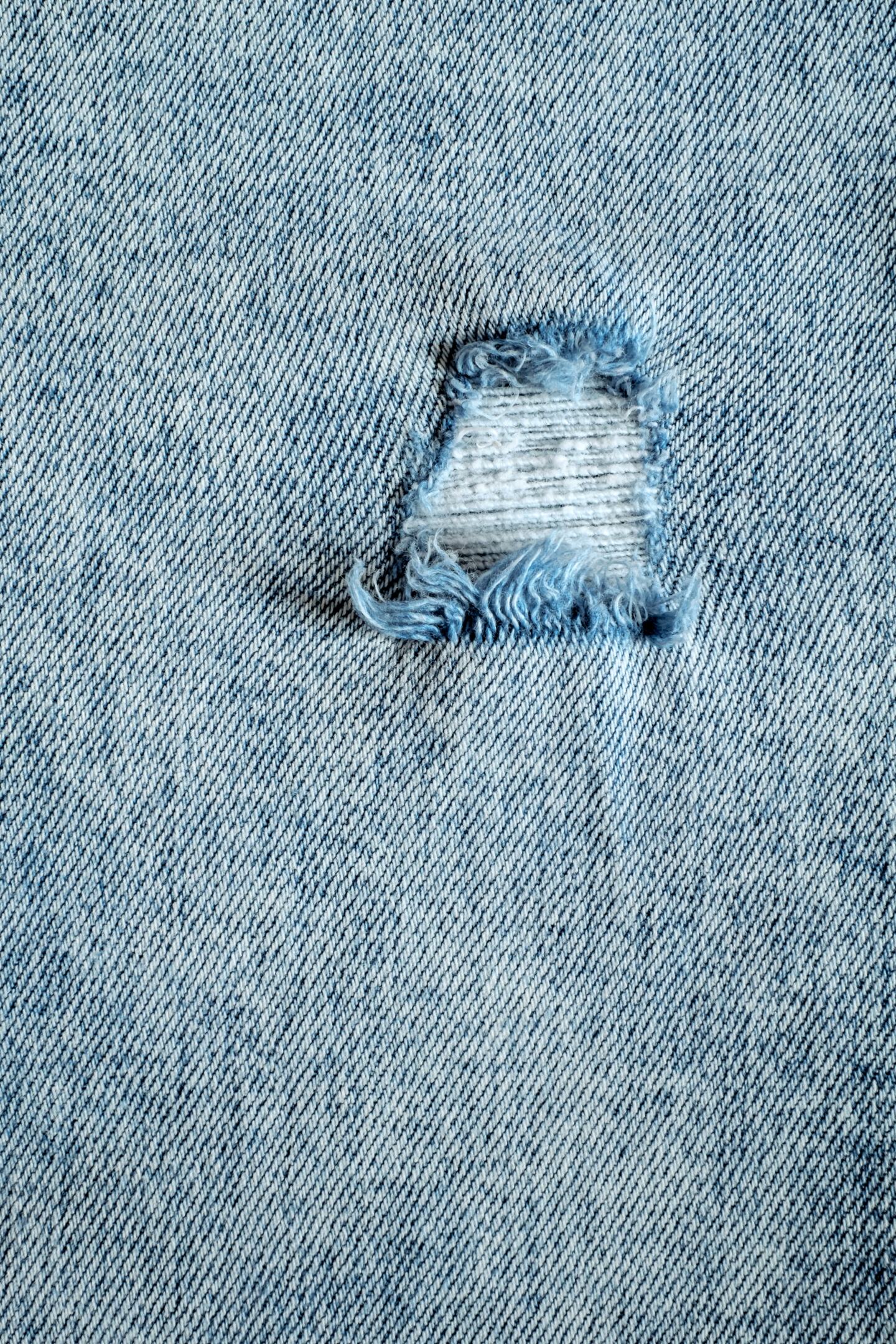
Many distressed pieces of clothing can go for incredible amounts of money, so save yourself some cash by doing it yourself to pieces you already own. Jeans are an obvious option, as are denim jackets. You can also consider other clothing items ranging from sweatshirts to long-sleeve flannels. Consider distressing that area if a garment has a stain or existing hole.
Make Accessories
You do not necessarily have to keep a clothing item completely (or mostly) intact, especially if it has significant damage. Consider cutting the apparel into accessories, such as headbands or fabric belts. Turning them into stylish new-to-you accessories is a much better sustainable alternative than the clothes ending up in landfills.
Make Shorts
Pants are relatively easy to turn into shorts, and you might not need to sew anything. In some cases, using fabric glue can work well for creating clean hems. In contrast, a simple pair of scissors to make an even cut can simplify the distressed styling process. You can use the parts you cut off for another project, such as making a tote bag.
Use Tying, Twisting, and Braiding
Sometimes, it takes strategic fabric manipulation, such as tying, twisting, or braiding, to transform a shirt. This design transformation method can be desirable in the back to create a focal point if you want to leave the front of the shirt as is. You can also do one of the techniques on other areas of the top depending on its structure, including on the shoulders, at the neckline, and going down the sides.
Use Dye
Dyeing clothing is beneficial if you are trying to cover up stains that will not come out or want to change the color of the garment. The lighter the color of the shirt, the easier it typically is to dye. Consider using eco-friendly dyes.
Alter the Style
You can keep the general concept of the garment yet alter the style to be different. For example, if you have a crewneck sweatshirt, you could cut it into an off-the-shoulder sweatshirt or turn a round neckline on a t-shirt into a v-neck.
Replace the Fasteners
Your clothing might be in excellent condition except for fasteners like zippers or buttons. You could take fasteners off other pieces you already own or head to a thrift store, estate sale, or garage sale to see what you can salvage to use for your own clothes.
Combine Two Materials/Patterns
If two clothing pieces complement each other, consider merging them into one trendy piece. For instance, if you cut a dress in two, take the top of one dress and sew it to the bottom of another dress or sew an overlay skirt over a plain pencil skirt. This method gives new life to pieces you might otherwise no longer want to wear.
Do not worry if you do not have the sewing skills to do some of the transformation projects you want to do with your clothing. There are many tutorials online, but two additional options are to ask a loved one with sewing talents to help you or leave it up to the professionals. Your sustainable choices and actions could mean you have new clothing and accessories to wear quickly.



Leave a Reply