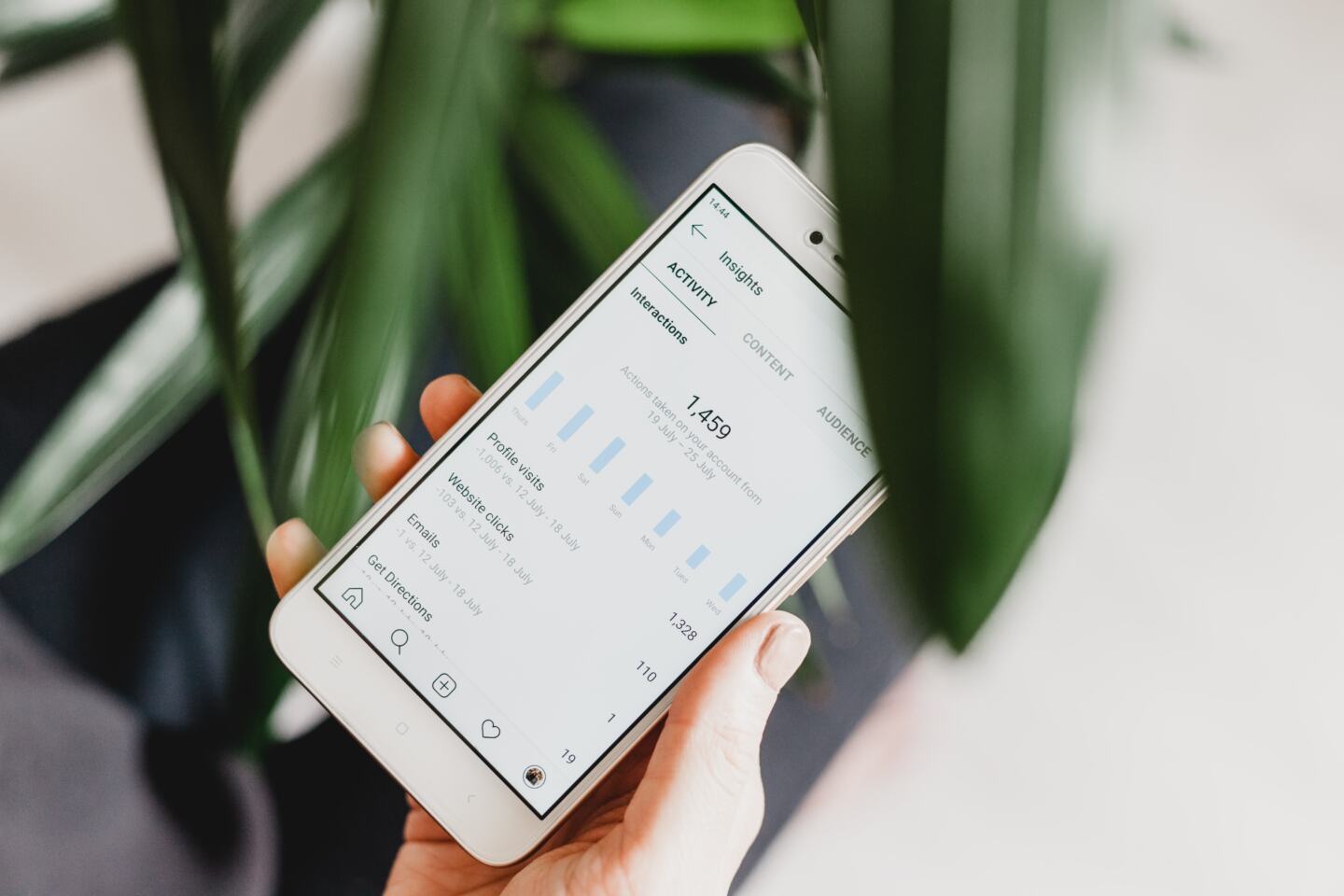
Social media has revolutionised the way we work, earn money, meet potential partners and how we view ourselves. It has paved the way in allowing us to demand more: more inclusivity for groups often marginalised and side-lined, more content and more choices. On the other hand, it has slowly and insidiously convinced us all to live our lives online – without a shred of privacy – and led to a culture of disposability, no forgiveness, and punitive, comparative measures. Why is how we interact on our socials important and how can we resist the darker side?
Bo Burnham’s iconic 2021 Netflix special ‘Inside’ captures much of this sentiment. Burnham reflects to us the way social media and the internet has come to dominate the human experience, and, without much irony, his audience have reacted by creating intimate and personal TikToks amongst other creations. The para-social nature means content creators are seen as personal friends but friends that the audience dispose of at any time, demanding and expecting perfection, unforgiving when it is not met. It has become a way for us to constantly compare our bodies, relationships and lives and there is an ugly side of social media that will allow people to harass and abuse others who they believe have acted out of line.
People, famous and non-famous alike, are expected to share every intimate detail of their lives with those who choose to protect their privacy viewed as suspect. This expectation can put LGBTQ+ individuals, undocumented migrants or asylum seekers, people in abusive relationships, neurodivergent people and others such as whistle-blowers in potentially dangerous situations.
Of course, social media is now intrinsically linked to many people’s line of employment and can be a joyful experience however humans were not made for the pace of life we are currently experiencing. When we spend time in nature and away from the screens we can lower cortisol (stress) levels and regulate our nervous system. Being mindful of what information we share and reflecting on how we ‘perform’ our life through social media is important when doing our regular mental health check ins.
Not engaging in call outs, hounding people we perceive to have said or done something wrong and giving people space online is also important. Conflict and harm cannot be resolved under the intense pressure of social media and the internet. If amends are due because harm has genuinely been caused, they should be given after a long period of reflection and hard work, where the person who has caused harm has time to process and understand why it was harmful with the support of their own friends, family and community, not because people on social media apps demand it in less than twenty-four hours and are threatening the person’s safety and livelihood.
Ultimately, it is vital that we reflect on our social media engagement because it is such a dominating part of our culture. Perhaps we must engage as it’s linked to our job or we simply enjoy a certain app. As joyful and creative as apps like TikTok can be, they are also complicit in creating half-lives in this digital dystopia of half-truths mixed with a 17th century Salem version of justice. Psychology is slowly becoming aware of the harm this causes, with psychology scholars such as Dr. Christine Marie investigating what she terms ‘media trauma’.
Being mindful, aware and compassionate to ourselves and others whilst engaging in social media, maintaining our privacy and taking plenty of time away from the digital world, is key for our collective wellbeing.
A. Youles is a writer for Immigration Advice Service, a legal organisation that helps undocumented migrants to regulate their status.



Leave a Reply