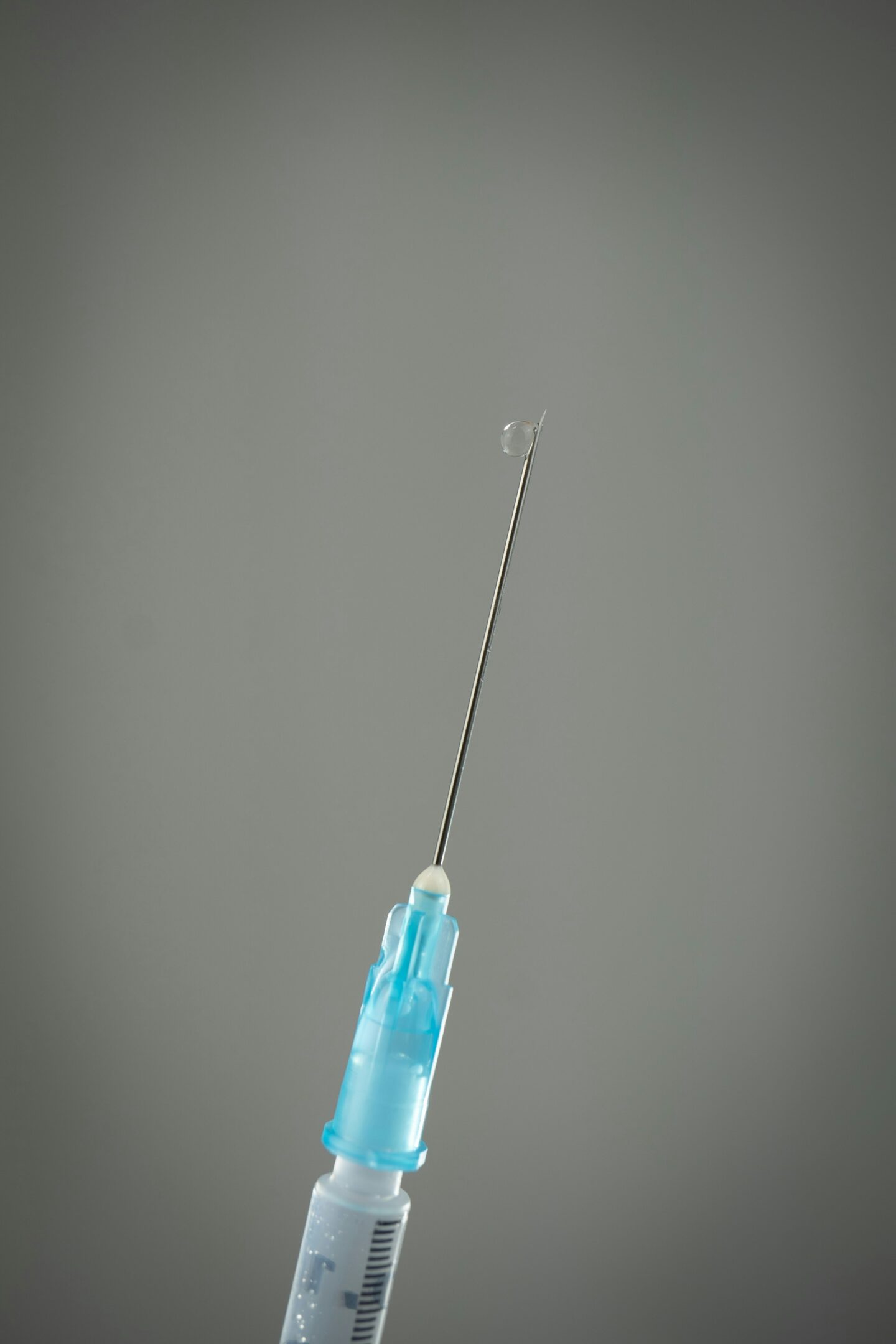
Injectables used to sit in neat boxes: fillers for shape, toxin for lines, and skincare for everything else. That tidy model doesn’t match how people think about ageing anymore. Most patients aren’t chasing a “done” look; they want skin that behaves like healthier skin—bouncier, better hydrated, more even in texture—without obvious volume or frozen movement.
That shift in priorities helps explain why Profhilo has become a frequent talking point in clinics and on treatment menus. It’s positioned less as a “change your face” procedure and more as a quality-of-skin intervention. If your main concern is crepey texture, dullness, fine lines, and that general sense of “my skin doesn’t bounce back like it used to,” Profhilo sits in a sweet spot between topical routines and more structural injectables.
The bigger trend: “skin quality” over “feature change”
A few years ago, the conversation often centred on individual problem areas—nasolabial folds, tear troughs, jawline. Now, many consultations start with something broader: “I just look tired,” “My skin feels thinner,” “Make me look fresher.” Those are skin-quality complaints, not necessarily volume deficits.
Several factors are driving this:
- The ‘undetectable tweakment’ expectation. People want to look well-rested and healthy, not noticeably altered.
- Better education. Social media can be noisy, but it has also helped patients learn the difference between hydration, elasticity, volume, and movement.
- A preventative mindset. Patients in their late 20s to 40s are more likely to invest early in collagen support and barrier health rather than waiting for deeper structural changes.
Profhilo fits neatly into this landscape because it targets hydration and tissue quality rather than “filling a line.”
What Profhilo actually is (and what it isn’t)
A different use of hyaluronic acid
Profhilo is a hyaluronic acid (HA) injectable, but it’s not a traditional dermal filler. Fillers are designed to hold shape—think cheek contour or lip structure—because their HA is crosslinked to create lift and projection. Profhilo uses a high concentration of HA in a formulation intended to spread and integrate within the skin, supporting hydration and triggering a broader remodelling response.
In practical terms: patients often describe improved glow, firmness, and “spring” rather than a new facial shape.
Closer to “bio-remodelling” than volumising
Clinicians often describe Profhilo as a bioremodeller because the goal is to improve the skin environment—hydration and elasticity—rather than add bulk. If you’re comparing options and want a concise explainer of where Profhilo sits in the injectable spectrum, this overview of a bio-remodelling treatment for ageing skin is a useful reference point.
This distinction matters because it sets expectations. Profhilo won’t replace a treatment plan for significant laxity or deep volume loss, but it can be an excellent choice when the primary complaint is skin texture and vitality.
Why results feel “natural” (and why that’s appealing)
It supports how skin functions, not just how it looks
Ageing skin changes for multiple reasons: collagen and elastin decline, hydration levels drop, and the extracellular matrix (the scaffolding that keeps skin resilient) becomes less organised. Many people notice this as roughness, fine crêping, and a slower “snap back.”
Because Profhilo is geared toward improving hydration and overall dermal quality, the outcome tends to look like you—but better rested. That’s one of its biggest cultural advantages right now. In an era where overfilling is a widely discussed fear, a treatment that prioritises subtle improvement feels safer and more aligned with modern aesthetics.
It plays well with other treatments
Another reason for its popularity is flexibility. Profhilo is commonly used as part of a wider plan rather than as a one-off miracle fix. Depending on your needs, clinicians may combine it (with appropriate spacing) alongside:
- neuromodulators for expression lines,
- targeted filler for structural support,
- energy-based devices for laxity or pigment,
- medical-grade skincare to maintain barrier function and brighten tone.
It’s not “either/or.” For many patients, it’s the connective tissue—no pun intended—between skincare and injectables.
What the treatment experience is typically like
Technique and downtime
Profhilo is commonly placed using a set of strategic injection points (often described as a structured protocol), designed to allow product diffusion across the treatment area. Most people experience mild swelling, small bumps at injection sites, and occasional bruising—usually short-lived.
Downtime is generally limited, which also fits modern lifestyles. People want treatments they can fit between meetings, childcare, and travel without needing a week to “hide.”
Timing and durability
While protocols vary by clinician and patient, Profhilo is often delivered as a short course (frequently two sessions spaced weeks apart), with maintenance considered later depending on skin goals and ageing patterns. Results tend to build gradually rather than appearing overnight—another reason it reads as natural.
Who tends to like Profhilo (and who may not)
Profhilo often appeals to patients who:
- feel their skin has become thinner, drier, or less resilient,
- want improvement in texture and radiance without added volume,
- are wary of looking “filled,”
- are open to a subtle, cumulative result rather than an instant dramatic change.
On the other hand, if your main concern is significant sagging, pronounced jowling, or major midface volume loss, Profhilo may be better viewed as supportive rather than central. A good practitioner will say this clearly and discuss alternatives (or combinations) that match your anatomy and goals.
Why popularity is rising now, specifically
1) The “post-filter” reality check
As people become more sceptical of edited faces online, there’s growing demand for improvements that still look like real skin up close. Treatments that enhance texture and hydration stand out because they translate well in real life—under office lighting, daylight, and without makeup.
2) A broader definition of anti-ageing
Anti-ageing used to mean erasing lines. Now it’s about maintaining skin function: hydration, elasticity, and recovery. Profhilo aligns with this more holistic definition.
3) Better conversations about safety and suitability
Patients are also more selective. They’re asking about credentials, products used, aftercare, and realistic outcomes. Profhilo’s role is easier to explain than some trend-driven procedures because it has a straightforward objective: support skin quality without sculpting.
How to make an informed choice
If you’re considering Profhilo, the best next step isn’t to compare before-and-afters in isolation—it’s to have an assessment that looks at skin thickness, elasticity, hydration, and facial structure together. Ask your clinician what problem you’re solving, what change you should not expect, and how success will be measured (texture, glow, fine lines, firmness).
Profhilo’s popularity isn’t a mystery: it meets people where modern aesthetics are headed—natural-looking, skin-first improvements that can complement, rather than compete with, the rest of your skincare and treatment plan.



Leave a Reply