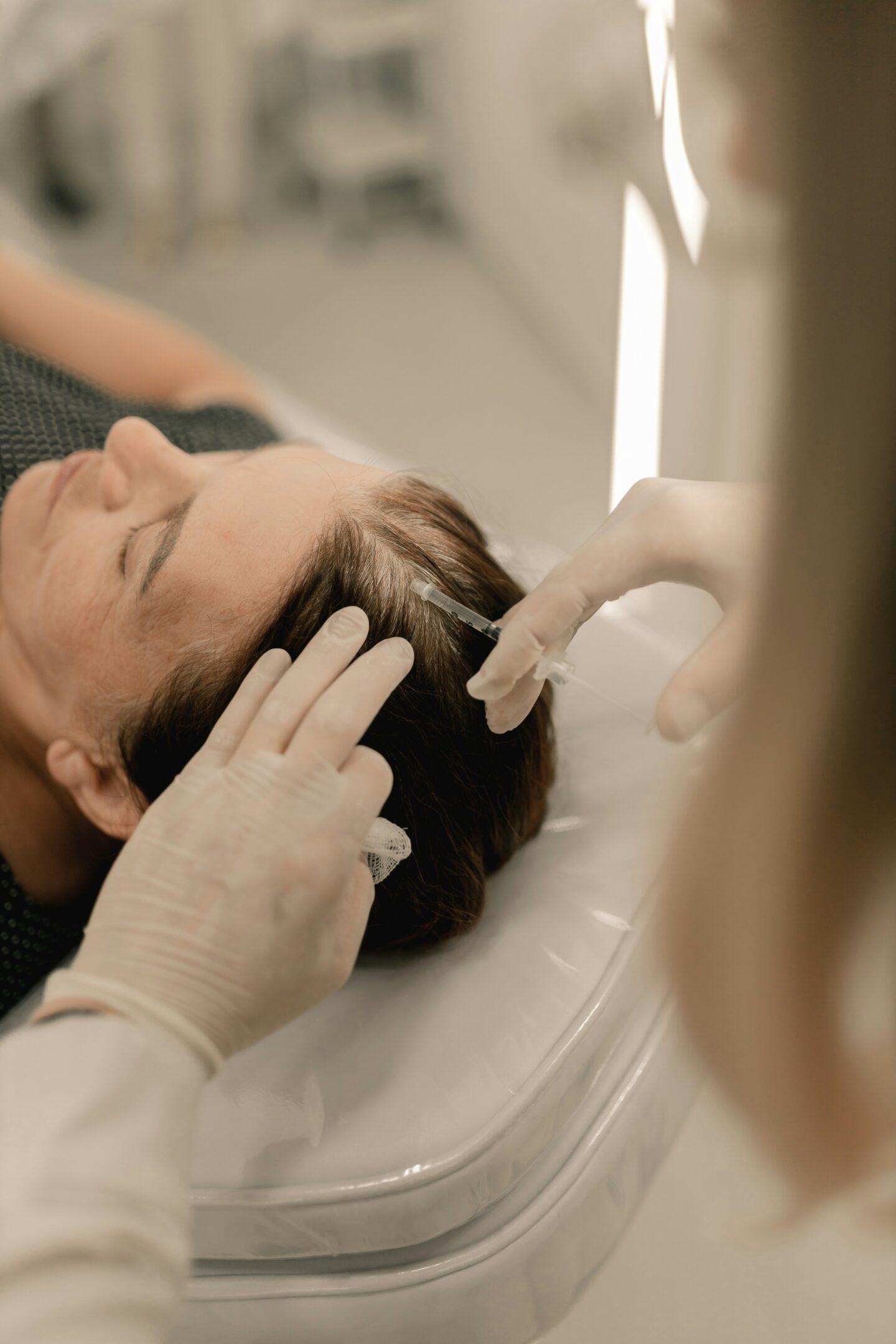
The clinical procedure is only one part of a hair transplant journey. Recovery also depends on how the scalp is protected afterwards. Everyday choices can support or disrupt the early healing period. Patients should follow their clinic’s instructions instead of creating their own routine.
Lifestyle advice must remain personal because health needs differ. A rule that suits one patient may not suit another. Medication, work and existing conditions can change the plan. The treatment team should know about relevant habits before surgery takes place.
Smoking can affect healing
Smoking is associated with poorer wound healing across many surgical settings. Nicotine can affect blood vessels and tissue conditions. Hair transplant patients should disclose smoking and nicotine use honestly. The clinician can then provide advice suited to the procedure and individual health.
Patients should not hide vaping, patches or other nicotine products. Different products can still be relevant to planning. The clinic should explain any required changes and their timing. Personal medical advice is safer than following a generic online schedule.
Alcohol needs sensible planning
Alcohol can interact with medication and affect judgement during recovery. It may also increase the chance of ignoring important aftercare steps. Clinics commonly provide guidance around the treatment date. Patients should follow the instructions given for their own procedure.
Heavy drinking should be disclosed during the health assessment. The team needs accurate information to manage risk. A patient should ask when normal habits can safely resume. Clear advice prevents guesswork during the early days.
Sleep position can protect the scalp
The first nights may require a more upright sleeping position. This can help manage swelling and reduce contact with the grafts. Pillows and clean bedding should be arranged before returning home. Preparation makes it easier to follow the instructions when tired.
Poor sleep can also make discomfort feel harder to manage. Patients should plan a calm recovery space and avoid unnecessary commitments. Any recommended pain relief should be used only as directed. Unexpected or severe symptoms need contact with the clinic.
Exercise should return gradually
Strenuous exercise can increase sweating, pressure and the chance of accidental contact. The early scalp needs time to heal before demanding training resumes. Men who attend the gym regularly should discuss their routine in advance. The clinic can provide a staged return based on the procedure.
Light activity may be allowed earlier than intense lifting or contact sport. The exact schedule varies and should not be guessed. Wearing tight headgear may also need to wait. Practical questions are best answered before treatment day.
Food and hydration support general recovery
A balanced diet supports normal tissue repair, although no food guarantees faster hair growth. Patients should stay hydrated and follow any instructions about meals around surgery. Extreme diets may make recovery harder when nutrition is inadequate. Supplements should not replace medical assessment of a deficiency.
Men reading hair transplant aftercare guidance should still use the instructions from their own clinical team. Online information can explain principles but cannot account for every health factor. The treating clinic knows the procedure that was performed. Its advice should take priority during recovery.
Sun and heat need attention
Freshly treated skin can be sensitive to strong sunlight. Heat and sweating may also make the scalp uncomfortable. Patients should ask when outdoor exposure and normal headwear are suitable. Sunscreen should only be used when the clinic says the area is ready.
Holidays should be planned around the recovery period. Swimming, intense sun and long travel may complicate aftercare. A quiet schedule makes it easier to protect the grafts. Booking surgery immediately before a busy trip may create unnecessary difficulty.
Consistency matters more than perfection
Patients do not need an elaborate lifestyle to recover well. They need to follow clear instructions and ask when uncertain. Small daily actions protect the scalp while healing progresses. Ignoring advice can create risks that were otherwise avoidable.
The clinic should provide written aftercare before the patient leaves. It should also remain available when questions arise. A healthy routine supports recovery, but it cannot guarantee a particular growth result. Realistic guidance helps patients focus on what they can control.
Work plans can reduce recovery pressure
Some jobs involve dust, heat, helmets or heavy physical activity. These conditions may not suit the earliest healing stage. Patients should explain their working environment before choosing a procedure date. The clinic can advise how much time or adjustment may be sensible.
Remote or desk-based work may be easier to resume than manual duties. Visible redness or swelling can still affect comfort during meetings. A patient should plan around his own tolerance and role. Honest scheduling prevents pressure to return before he feels ready.
Hygiene should remain simple
Clean hands, bedding and approved washing products support basic scalp care. Adding unrecommended oils or treatments can irritate healing skin. Patients should avoid copying complicated routines from influencers. The clinic’s instructions should be specific enough to follow without guesswork.
Barber visits should also wait until the scalp is ready. Clippers, combs and close handling can disturb sensitive areas. The team should explain when donor and recipient hair can be cut. The timing may differ between the two zones.
Communication is part of a healthy recovery routine. Patients should ask before resuming an activity that was not covered clearly. A short clinical answer is safer than testing the scalp and hoping for the best. Good aftercare combines sensible habits with accessible professional support.
Stress management may also make the recovery period feel more manageable. Normal shedding and slow growth can create anxiety when expectations are unrealistic. Limiting constant mirror checks can help patients judge change more fairly. Scheduled photographs and reviews provide a calmer way to monitor progress.
Household routines deserve attention when children or pets share the recovery space. Accidental contact with the scalp is easier to avoid when everyone understands the need for care. Clean pillowcases and a planned sleeping area are simple preparations. Small practical changes can protect the treatment during the most sensitive days.



Leave a Reply