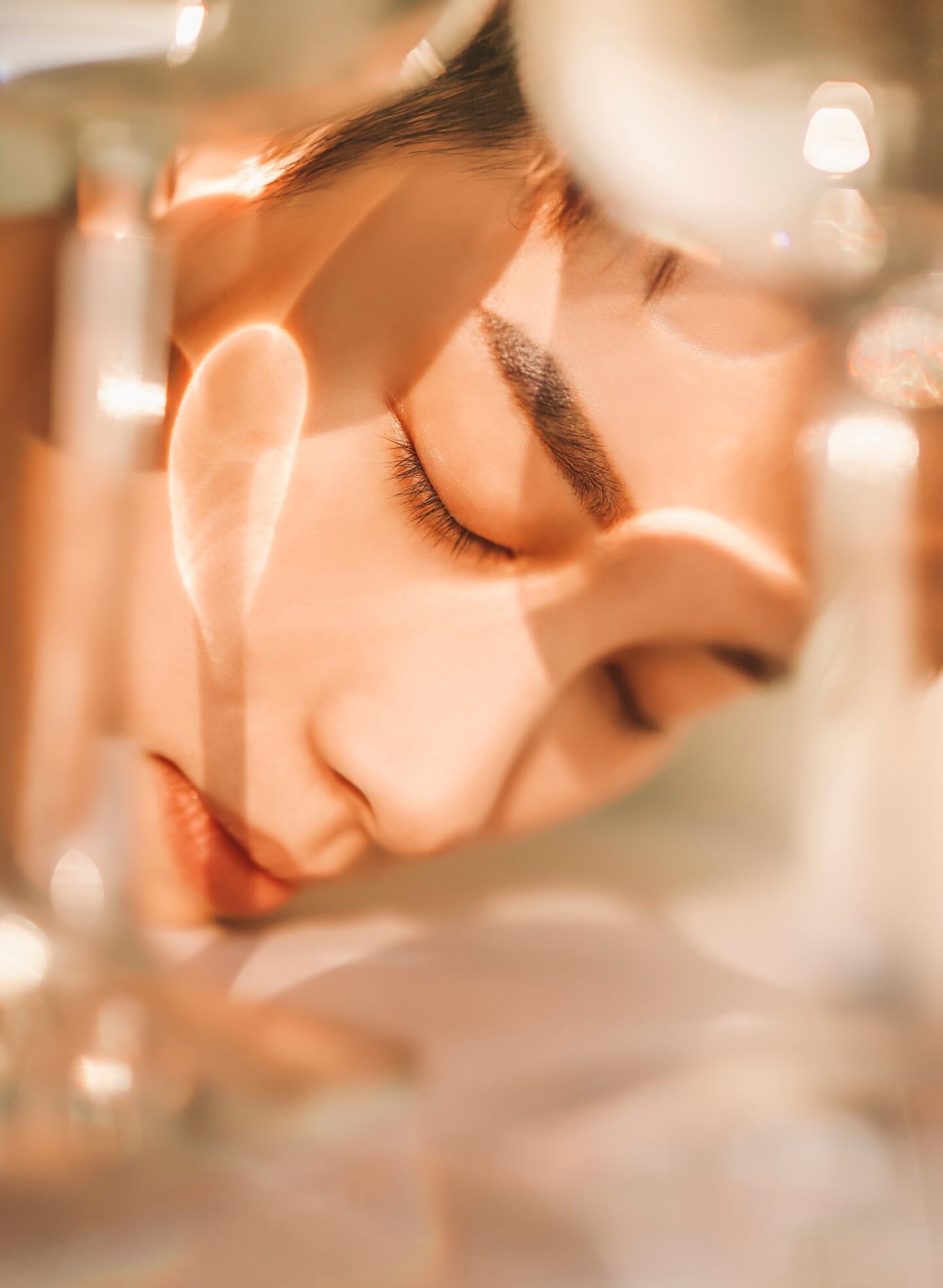
Holidays are supposed to leave us feeling rested and refreshed. But anyone who’s stepped off a long flight with dry skin, messy hair, and tired eyes knows that travelling doesn’t always have that effect.
From the dry air inside planes to unfamiliar hotel rooms, a change of scenery can affect more than just your daily routine. Skin can feel tight, hair may become harder to manage, and getting a good night’s sleep can suddenly seem difficult.
It’s a familiar experience for many travellers, particularly those moving between different climates or spending long hours in transit. While these changes are usually temporary, they show just how much our surroundings influence the way we look and feel.
And sometimes, the biggest beauty challenge on holiday has little to do with the products in your suitcase.
Why Flying Can Leave Your Skin Looking Tired
Dry air and long journeys take their toll
Air travel is one of the first things that can affect your skin during a holiday.
Aircraft cabins have much lower humidity than most homes and offices. This means moisture can escape from the skin more easily, leaving it feeling dry, tight, or irritated.
For people who already struggle with sensitive skin, the difference can be noticeable after just a few hours.
Then there’s the lack of sleep. Early flights, airport delays, and long journeys often mean getting less rest than usual. By the time you reach your hotel, your face may already be showing signs of tiredness.
Drinking alcohol while travelling can add another layer to the problem. Although a glass of wine at the airport might seem like part of the holiday experience, alcohol can affect hydration and sleep quality.
There’s also growing interest in how drinking affects the body beyond the usual hangover. Questions such as does alcohol thin your blood reflect wider concerns about alcohol’s effects on circulation, blood clotting, and general health.
And the dry air doesn’t stop when the plane lands.
Hotel air-conditioning can create similar conditions, especially in warmer destinations where cooling systems run throughout the night. This can leave travellers waking up with dry lips, uncomfortable skin, or irritated eyes.
Your Hair Can React to a New Climate
Why your usual hair routine suddenly stops working
It’s not unusual to arrive somewhere new and discover that your hair has developed a mind of its own.
Hair that normally stays smooth can become frizzy in humid weather, while colder or drier conditions may leave it feeling rough and difficult to style.
The reason is fairly simple. Hair responds to moisture in the surrounding air, and changes in humidity can affect its shape and texture.
Water quality can make a difference, too.
Some destinations have harder water than others. Hard water contains minerals such as calcium and magnesium, which can leave deposits on the hair and make it feel less soft.
That explains why washing your hair with the same shampoo can produce different results when you’re away from home.
Beach holidays bring their own challenges. Salt water, swimming pools, and long hours in the sun can leave hair feeling dry, particularly when it’s already coloured or chemically treated.
Even the products provided in hotel bathrooms can affect how hair feels. A shampoo that works perfectly well for one person may leave another dealing with dryness or tangles.
Most of these changes settle once normal routines return. Still, they can be frustrating when you’re hoping to look your best for holiday photographs or evenings out.
A Change of Scenery Doesn’t Always Mean Better Sleep
Why holidays can leave you more tired than expected
Sleep is another area where travel can have an unexpected effect.
Jet lag is a well-known problem for people crossing several time zones. It happens when the body’s internal clock struggles to adjust to the local time.
According to the NHS, common symptoms include disturbed sleep, daytime tiredness, and difficulty concentrating.
But you don’t need to travel halfway around the world to experience poor sleep.
Unfamiliar beds, noisy hotel corridors, different room temperatures, and late nights can all interfere with a normal sleeping routine.
And when sleep suffers, it often shows on the face.
Dark circles can become more noticeable, eyes may appear tired, and skin can lose some of its usual healthy appearance.
Stress can also play a part.
Travelling is exciting, but it isn’t always relaxing. Flight delays, busy schedules, and unfamiliar surroundings can leave some people feeling anxious rather than rested.
For those already dealing with ongoing emotional difficulties, these disruptions can be harder to manage.
Specialist services offering mental health treatment New Jersey address more persistent mental health concerns, which are different from the occasional restless night caused by travel.
The connection between mental wellbeing and sleep is an important one. While a holiday provides a break from everyday responsibilities, it doesn’t necessarily remove the pressures affecting someone’s health.
Holiday Habits Can Affect How You Look and Feel
Late nights and extra drinks can make a difference
Part of the appeal of going away is escaping the usual routine.
Meals happen later, bedtimes become less predictable, and it’s easier to spend an evening enjoying cocktails or a long dinner instead of heading back to the hotel.
For most people, these changes are simply part of the holiday.
However, several days of irregular sleep, heavier meals, and increased alcohol consumption can leave the body feeling sluggish.
Bloating, tiredness, and disrupted sleep are common complaints after a busy trip.
Alcohol is particularly relevant because it can affect how well someone sleeps. Although drinking may make people feel sleepy at first, it can interrupt sleep later in the night.
There’s also an important difference between taking a break from unhealthy habits and dealing with a more serious alcohol-related problem.
The term “detox” appears frequently in beauty and wellness content, often referring to diets, drinks, or short lifestyle resets.
Medical detoxification is something entirely different.
A detox center Fresno, for example, provides professional care for people dealing with substance dependence and withdrawal. This involves medical support rather than the temporary changes commonly associated with wellness holidays.
The distinction matters because feeling tired after a few late nights is not the same as experiencing an ongoing health problem.
For everyday travellers, returning to familiar eating and sleeping patterns is often enough to ease the effects of a busy holiday.
Why Simple Beauty Routines Make More Sense When Travelling
More products don’t always mean better results
Packing beauty products can be surprisingly difficult.
Between skincare, makeup, hair tools, and toiletries, it’s easy to end up with a suitcase full of things that barely get used.
But changing climates and busy travel schedules can make complicated routines harder to follow.
For skin, familiar products often make the most practical choice.
A gentle cleanser, moisturiser, and broad-spectrum sunscreen cover the basics without introducing too many new ingredients.
This is particularly important for people with sensitive skin, as trying unfamiliar products while dealing with heat, humidity, or dry air can lead to irritation.
Haircare follows a similar pattern.
A familiar shampoo, conditioner, and one reliable styling product can be easier to manage than carrying several different treatments.
Sleep is becoming part of the travel beauty conversation as well.
Eye masks, earplugs, and comfortable sleepwear are now common additions to travel bags, especially for people who struggle to rest in unfamiliar places.
There are limits to what beauty products can achieve, though.
A good moisturiser can help relieve dry skin, but it can’t replace lost sleep. Likewise, a hair mask may improve the feel of dry hair, but it won’t change the humidity outside.
Sometimes, keeping things simple is more useful than packing another product.
Travel Shows How Closely Beauty and Health Are Connected
Looking refreshed starts beyond the mirror
The effects of travel highlight something that often gets overlooked in beauty discussions: appearance is closely connected to everyday health.
Skin, hair, and sleep all respond to changes in environment, routine, and physical wellbeing.
A few nights of poor sleep can leave someone looking exhausted. Spending hours in dry air can affect skin comfort, while unfamiliar climates can change how hair behaves.
Most of these problems are short-lived.
However, persistent tiredness, emotional difficulties, or unhealthy coping habits can point to concerns that go beyond the usual effects of travelling.
For people facing substance-related difficulties, services such as drug and alcohol rehab Colorado provide structured treatment and ongoing recovery support.
These health concerns require a different approach from ordinary travel fatigue, but they underline the importance of looking beyond appearance when discussing wellbeing.
The beauty industry often focuses on products that promise brighter skin, smoother hair, and a more rested appearance.
Yet travel is a reminder that these results depend on more than what’s inside a makeup bag.
Sleep, daily habits, climate, and overall health all influence the way someone looks and feels.
And while a holiday can offer a welcome escape from everyday life, the body still has to adjust to its new surroundings.
For many travellers, dry skin, unruly hair, and a few restless nights are simply part of that adjustment.
The good news is that these changes are usually temporary, and familiar routines often help things return to normal.
A holiday may not always leave you looking instantly refreshed,



Leave a Reply