You’ve packed the linen trousers. You’ve practised your “hvala”. You’ve worked out which sandals survive Dubrovnik’s polished limestone.
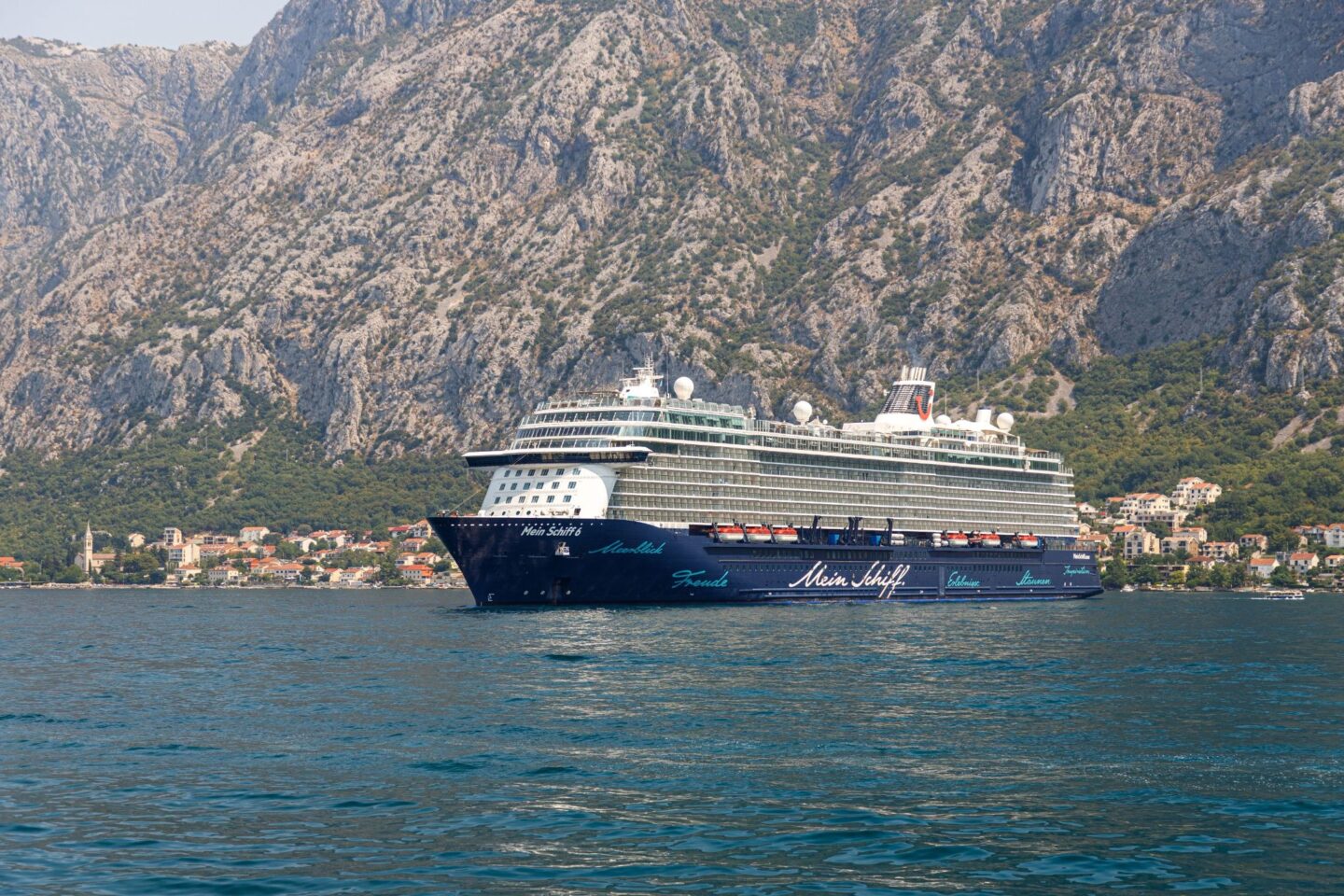
Photo by Boris Hamer: https://www.pexels.com/photo/luxury-cruise-ship-in-scenic-coastal-landscape-33468873/
Then the card machine at a café in Split asks you to choose a tip, and suddenly nobody in your group knows the answer.
Tipping on an Adriatic sailing is less obvious than it looks. There is the ship, there are the ports, and there are the guides and drivers in between. Each has its own rules, and most of them are unwritten.
Here is what tends to get left out of the brochure.
The Two Bills Nobody Mentions at Booking
Most cruise holidays come with two separate tipping questions.
The first lives on board. Many cruise lines add a daily service charge to your onboard account, quietly, every single day. Some let you prepay it, some let you adjust it at reception, and a few fold it into the fare altogether.
The second lives ashore. Cafés, restaurants, taxi drivers and private guides along the coast are a different matter entirely, and none of them sees a penny of what you paid the ship.
That shore-side money is now simple to organise. Croatia switched from the kuna to the euro on 1 January 2023, according to the Croatian National Bank, so one currency now covers most of the Croatian stops on a typical itinerary.
Bring a little cash in small notes and coins. Not a fortune, of course. You’ll be nowhere near the 10,000 euro threshold that, under FCDO travel advice, must be declared on entry. A small pouch of coins for cafés and a few notes for guides is plenty.
How All Inclusive Fares Change the Tipping Maths
This is the part that genuinely changes your budget.
On a standard fare, onboard gratuities sit on top of everything else. On some luxury fares, they’re already paid for before you step on the gangway.
If you’re comparing all inclusive cruise deals, check exactly what the “all” covers. The better ones bundle butler service, dining, unlimited wines and spirits, Wi-Fi and onboard gratuities into a single price. That means no daily charge creeping onto your account and no awkward envelope on the final night.
Just don’t assume the word “inclusive” travels ashore with you. Shore excursions, extended land trips, flights, hotels and transfers are often bought separately, even on the most generous fares. The guide who walks you around Diocletian’s Palace is not covered by your cabin price.
It’s also worth reading the deposit terms before you book, as some of these fares come with a non-refundable deposit.
Port by Port, the Etiquette Shifts
The Adriatic looks like one long postcard. The tipping customs are not quite so uniform.
Dubrovnik and the Card Machine Question
Card terminals that suggest a tip have caused a stir across Croatia. In spring 2026, Croatia Week reported that machines offering 10, 15 or 20 per cent had annoyed plenty of locals, who called the habit “American-style”.
The same report suggests what many Croatians actually do. Around 10 per cent in a restaurant when service has been good. Rounding up to the next euro in a café.
So if the screen nudges you towards 20 per cent for two coffees, you can politely decline. Nobody will think less of you.
Split and Hvar, Where Rounding Up Is Enough
Split’s waterfront cafés and Hvar’s harbour bars are relaxed about it. Leaving the change from your coffee is a friendly gesture, not an obligation.
Boat days are different. If you hire a private skipper to explore the islands around Hvar, a cash thank-you at the end of a good day is appreciated, and handing it over in person matters more than the amount.
Kotor, Same Currency, Different Country
Sail into the Bay of Kotor and you’ve left the EU, but not the euro. Montenegro uses the euro as a de facto domestic currency, as the European Commission explains, even though it has no formal monetary arrangement with the EU.
Practically, that means your Croatian coins work here too. Customs are similar: round up, and tip guides who’ve made the old town come alive.
Venice or Trieste, Read the Bill First
Many Adriatic itineraries start or finish in Italy. Here, check the bill before reaching for your purse.
A “coperto” is a cover charge, and “servizio incluso” means service is already added. If either appears, there’s no need to leave more unless something was truly special.
Guides, Drivers and the Folded-Note Moment
Excursions are where most people freeze.
If you booked through the ship, ask the shore desk whether tips are expected or already built in. For independent tours, a tip at the end is customary when the guide has been good.
A few simple rules help:
- Tip in euros, never pounds. Sterling is a nuisance for guides to exchange.
- Hand it over directly, with a thank-you, rather than leaving it on a seat.
- Tip the driver separately on private tours if they’ve helped too.
- Keep notes folded and ready, so the goodbye isn’t a fumble through your bag.
Why Your British Instincts Don’t Quite Travel
At home, the rules have tightened in your favour. Under UK tipping law, employers must pass tips and service charges on to staff, a change the government says affects more than 2 million workers.
That has made many of us comfortable tipping by card and trusting it reaches the right person.
Abroad, there’s no such guarantee. If it matters to you that the waiter keeps the tip, cash in hand is still the safest route.
Your Last-Morning Cheat Sheet
Before you disembark, run through this:
- Check your onboard account the night before for any gratuity line.
- If your fare already covers gratuities, skip the envelope and simply say thank you.
- Keep a few euro coins for the transfer driver and the porter.
- Leave a written note for crew who went above and beyond. They often share these with their managers.
- Spend or swap leftover coins before you fly, as most UK banks won’t take them back.
Tip With Intention, Not Panic
Tipping on an Adriatic sailing isn’t about getting the percentage perfect. It’s about knowing which bills are already paid, carrying the right coins, and thanking the people who made the trip feel effortless.
Sort the ship side before you sail, keep a small pouch of euros for the coast, and you’ll spend far less time doing sums on a café terrace in Hvar.
And far more time watching the sun drop behind the islands.



Leave a Reply