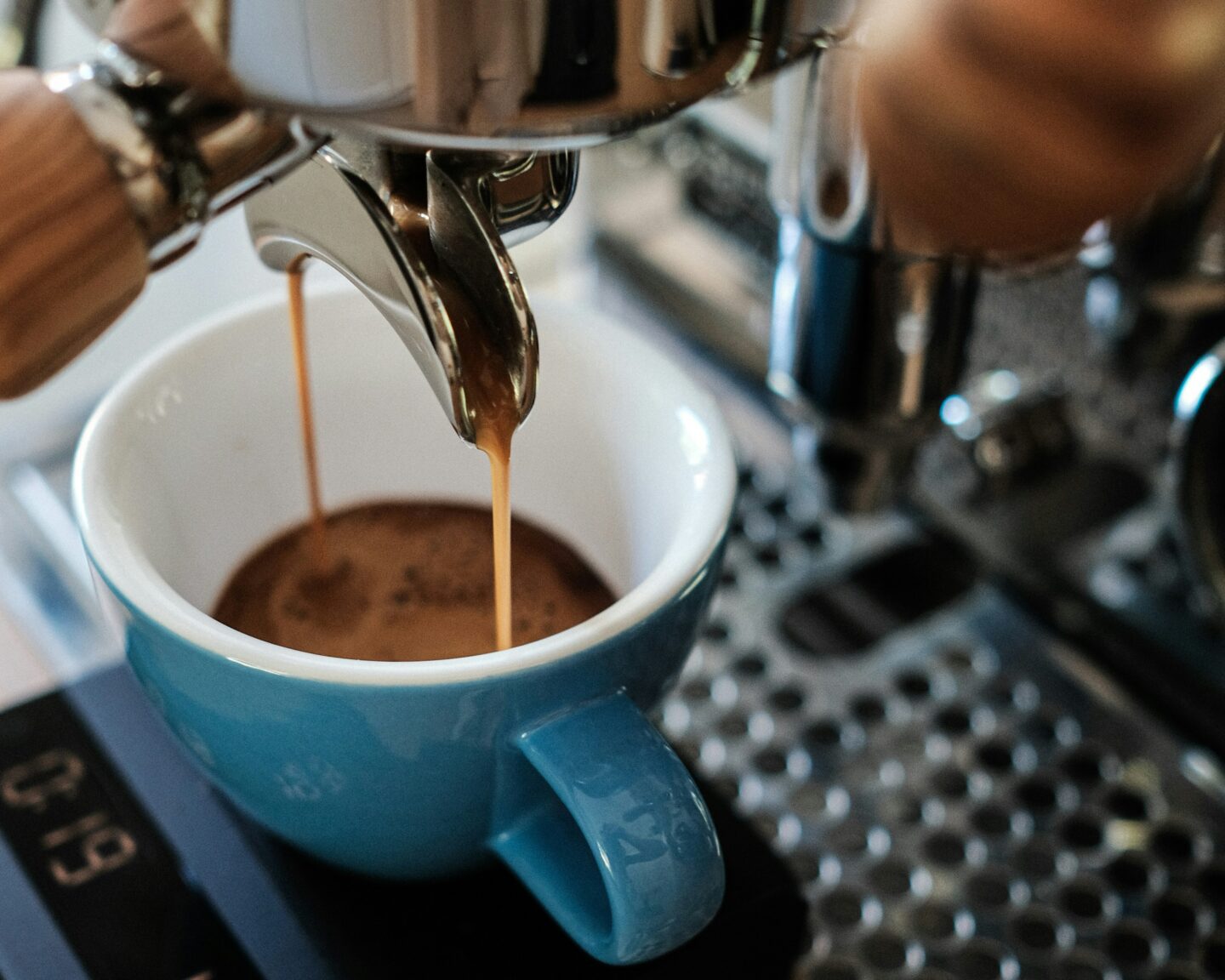
Italian coffee is a great place to start if you want to explore traditional espresso flavours. In Italy, coffee is often part of a daily ritual rather than something to rush through. A small espresso at the bar, a cappuccino with breakfast or a quick coffee after lunch are all familiar parts of everyday life. You can bring a little of this approach into your own kitchen by choosing suitable beans, using fresh ingredients and taking a moment to enjoy the result.
Start with good coffee beans
The beans are the foundation of any good espresso. Even the best machine cannot do much with coffee that has lost its flavour. Freshness matters because coffee beans gradually lose their aroma after roasting. When shopping, check the packaging for information about the roast and, where available, the roasting date.
You will also come across different types of coffee beans. Arabica is often associated with a smoother taste, with notes that can be fruity, floral or slightly sweet. Robusta tends to have a stronger, more intense flavour and can produce a thicker crema. Some espresso blends combine the two to create a balance of flavour, body and strength.
There is no single type that suits everyone. If you prefer a rich and bold espresso, a traditional blend may be a good choice. If you enjoy a lighter cup with more noticeable acidity, look for beans with a medium roast. Trying a few options is a simple way to discover your preferences.
Understand the importance of roast levels
The roast has a major influence on the final taste. Light roasts tend to preserve more of the bean’s original character. They can have brighter, fruitier notes and may be less familiar to people who are used to traditional espresso.
Medium roasts often offer a balance between sweetness, acidity and body. They are a useful starting point for beginners because they can work well with several brewing methods. Dark roasts usually have a deeper, more intense flavour, with notes of chocolate, nuts or caramel. Some may also taste smoky or slightly bitter.
For a classic espresso at home, a medium or dark roast is worth trying first. However, roast labels can vary between brands, so it is helpful to experiment rather than relying on the name alone.
Get the grind size right
The way you grind your coffee can change the taste of your espresso considerably. Espresso usually requires a fine grind, but the exact setting depends on your machine, your beans and how recently they were roasted.
If the grind is too coarse, water may pass through the coffee too quickly. The result can taste weak, sharp or watery. If it is too fine, the water may struggle to flow through the coffee. This can lead to a slow extraction and a bitter, harsh flavour.
A burr grinder is a useful investment if you plan to make espresso regularly. It produces more consistent grounds than many basic blade grinders, helping you achieve more predictable results. Grinding the beans just before brewing also helps preserve their aroma.
You do not need to change everything at once. Start with the recommended setting for your machine, then make small adjustments until you find a flavour you enjoy.
Learn the basics of espresso extraction
Espresso is made by forcing hot water through finely ground coffee under pressure. Although the process is quick, several factors affect the result. These include the amount of coffee used, the grind size, the water temperature and the time taken for the espresso to pour.
A set of digital scales can help you measure your coffee and water more accurately. For example, you might begin with 18 grams of ground coffee and aim for around 36 grams of espresso in the cup. This is a common starting point, not a strict rule. Different beans and machines may need different amounts.
Pay attention to how the espresso tastes. A sour or thin cup may need a different grind setting or a longer extraction. A very bitter cup may benefit from a slightly coarser grind or a shorter extraction. Change one variable at a time so you can see what makes the biggest difference.
It is also worth keeping your equipment clean. Old coffee oils can build up in the basket, portafilter and other parts of the machine. These residues can affect the flavour, even when you use fresh beans.
Use fresh water and keep your equipment clean
Coffee is mostly water, so its quality matters more than many beginners realise. Water with a strong smell or an unpleasant taste can affect the final cup. Filtered water may help if your tap water has a noticeable chlorine taste or high mineral content.
Check the instructions for your espresso machine before changing your water supply. Some machines require water with a particular mineral balance to work properly. Regular descaling is also important, especially in areas with hard water. Follow the manufacturer’s advice to protect the machine and maintain its performance.
After each use, rinse the portafilter and basket to remove leftover grounds. If you make milk-based drinks, clean the steam wand immediately after use. These small habits take very little time and help keep your coffee tasting fresh.
Find the right balance for milk-based drinks
Espresso is the base for many popular coffee drinks, including cappuccinos, flat whites and lattes. Once you can make a shot you enjoy, you can start experimenting with milk.
For a cappuccino, aim for a balance of espresso, steamed milk and a layer of fine foam. A latte contains more milk, creating a milder and creamier drink. A flat white generally has a thinner layer of microfoam and a more noticeable coffee flavour.
Whole milk is often easy to steam because its fat and protein content help create a smooth texture. Oat milk designed for barista use is another option if you prefer a plant-based drink. Different products behave differently when heated, so you may need to try a few before finding one that works well.
You do not need to master latte art to make a good milk-based coffee. Focus on getting the milk smooth and avoiding large bubbles. Good texture and a well-made espresso are more important than decorative patterns.
Store your beans properly
Buying good beans is only part of the process. Storing them correctly helps preserve their flavour for longer. Keep coffee in an airtight container in a cool, dry cupboard, away from direct sunlight, heat and moisture.
Avoid leaving an open bag next to the espresso machine or storing it above the oven. These places can expose the beans to changing temperatures and humidity. It is also better to buy an amount you can use while the coffee is still fresh, rather than keeping a large supply for months.
Whole beans generally retain their aroma better than pre-ground coffee. If convenience is important, smaller bags can be a practical option. You can also label your containers with the type of coffee and the date you opened the bag. This makes it easier to keep track of what you are using.
Make better coffee one cup at a time
The best way to improve your home espresso is to practise without making the process feel like a chore. Start with good beans, use a consistent amount of coffee and keep your equipment clean. If the flavour is not quite right, make one small adjustment and try again. Over time, you will learn which roast levels, blends and settings suit your taste.
You can also explore different coffee styles to keep things interesting. Try a short espresso one morning and a longer coffee the next. Pair your drink with a pastry at breakfast or enjoy it after a meal. Small changes can help you discover new flavours without buying lots of extra equipment. When you are ready to explore different beans and blends, MaxiCoffee is one place to browse a range of coffee options and find something that suits your preferred way of brewing. With a little patience and a few simple habits, a better cup of coffee can become part of your everyday routine.



Leave a Reply