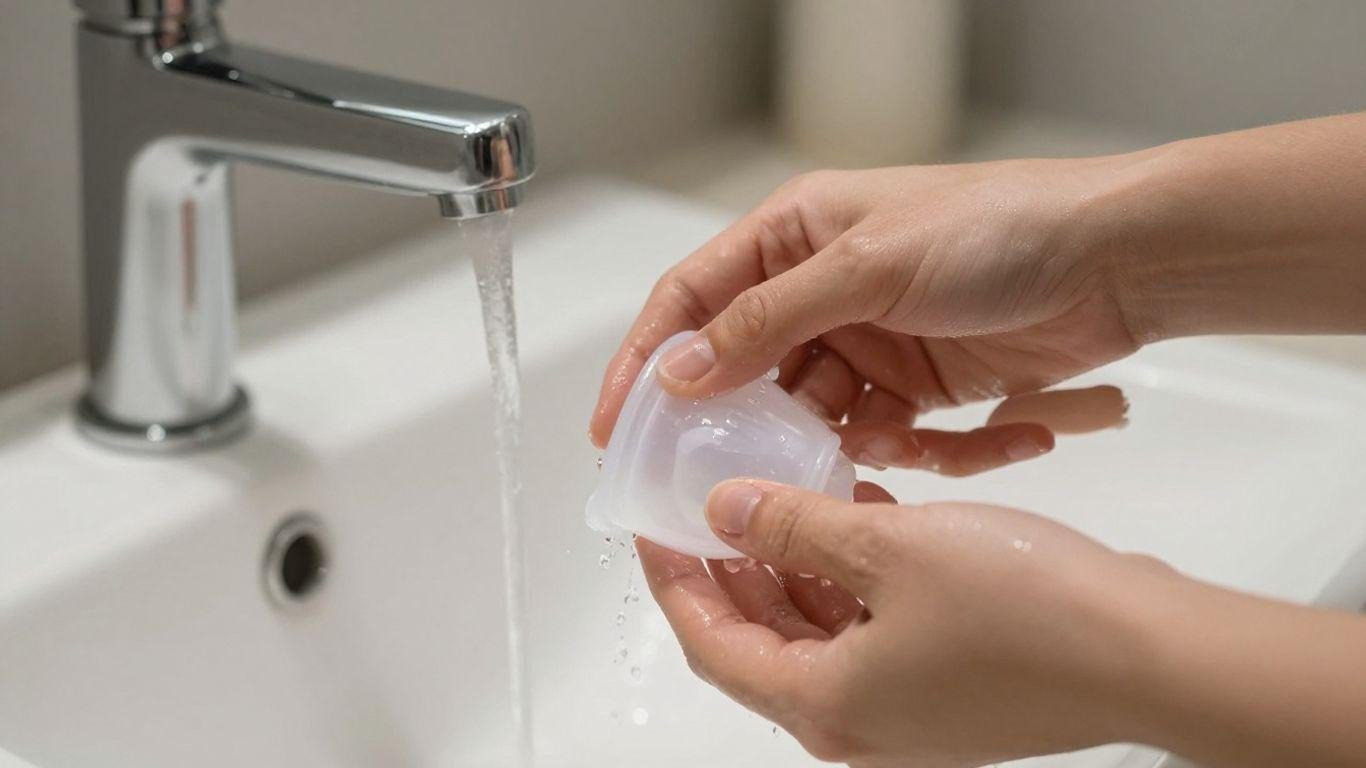
The Benefits of Reusable Menstrual Products
Making the switch to reusable menstrual products offers a lot of upsides. For starters, they are kinder to your wallet over time. Think about how much money is spent on disposables year after year; reusable options cut that cost down significantly. This saved money can then be put towards other important things, like education or personal goals. It’s a smart financial move that pays off.
Beyond the financial aspect, reusable protection is better for your health and the planet. Many disposable products contain chemicals that can irritate sensitive skin. Reusables, often made from natural fibers like cotton, offer a gentler experience. Plus, by reducing the amount of waste sent to landfills, you’re making a positive environmental impact. It’s a win-win for personal well-being and ecological responsibility.
Choosing reusable sanitary protection is about more than just convenience; it’s a choice for economic empowerment, health dignity, and environmental responsibility. These products support sustainable practices and help reduce waste. For many, it means a more comfortable, chemical-free period. It’s a practical step towards a more sustainable lifestyle and a healthier planet for everyone.
What Makes Reusable Protection Effective
Reusable sanitary protection works effectively because of thoughtful design and material choices. Many pads and liners feature multiple layers. There’s typically a top layer designed to wick moisture away, keeping you feeling dry and comfortable. Beneath that, absorbent layers soak up flow, and an outer layer provides leak protection. This layered approach mimics the function of disposables but with reusable materials.
Antimicrobial properties are often built into the fabrics, especially in the top layers. These agents help control odor and keep the product feeling fresh throughout the day. This is a key feature that makes reusable options just as reliable, if not more so, than their disposable counterparts. The focus is on comfort, dryness, and hygiene, all working together.
The effectiveness of reusable sanitary protection lies in its layered construction and the inclusion of odor-controlling and moisture-wicking technologies. These elements work in concert to provide reliable protection and comfort throughout your cycle.
Materials and Technology in Reusable Options
Reusable menstrual products come in a variety of materials, each chosen for specific benefits. Cotton is a popular choice for its softness and breathability. Many products also incorporate bamboo or hemp for their absorbency and natural antimicrobial qualities. Some advanced options might include PUL (polyurethane laminate) for a waterproof outer layer, preventing leaks effectively.
Technology plays a role too, especially in items like reusable tampon applicators. These can be made from medical-grade materials and may feature self-sanitizing properties. For instance, some applicators have built-in agents that resist bacterial growth, reducing the need for harsh cleaning. This technology helps maintain hygiene and extends the product’s lifespan.
Here’s a quick look at common materials:
- Cotton: Soft, breathable, and natural.
- Bamboo/Hemp: Highly absorbent with natural odor resistance.
- PUL (Polyurethane Laminate): Provides a waterproof barrier.
- Microfiber: Often used for absorbency in inner layers.
- Medical-Grade TPE/Silicone: Used for reusable applicators and menstrual cups.
Washing Reusable Sanitary Protection
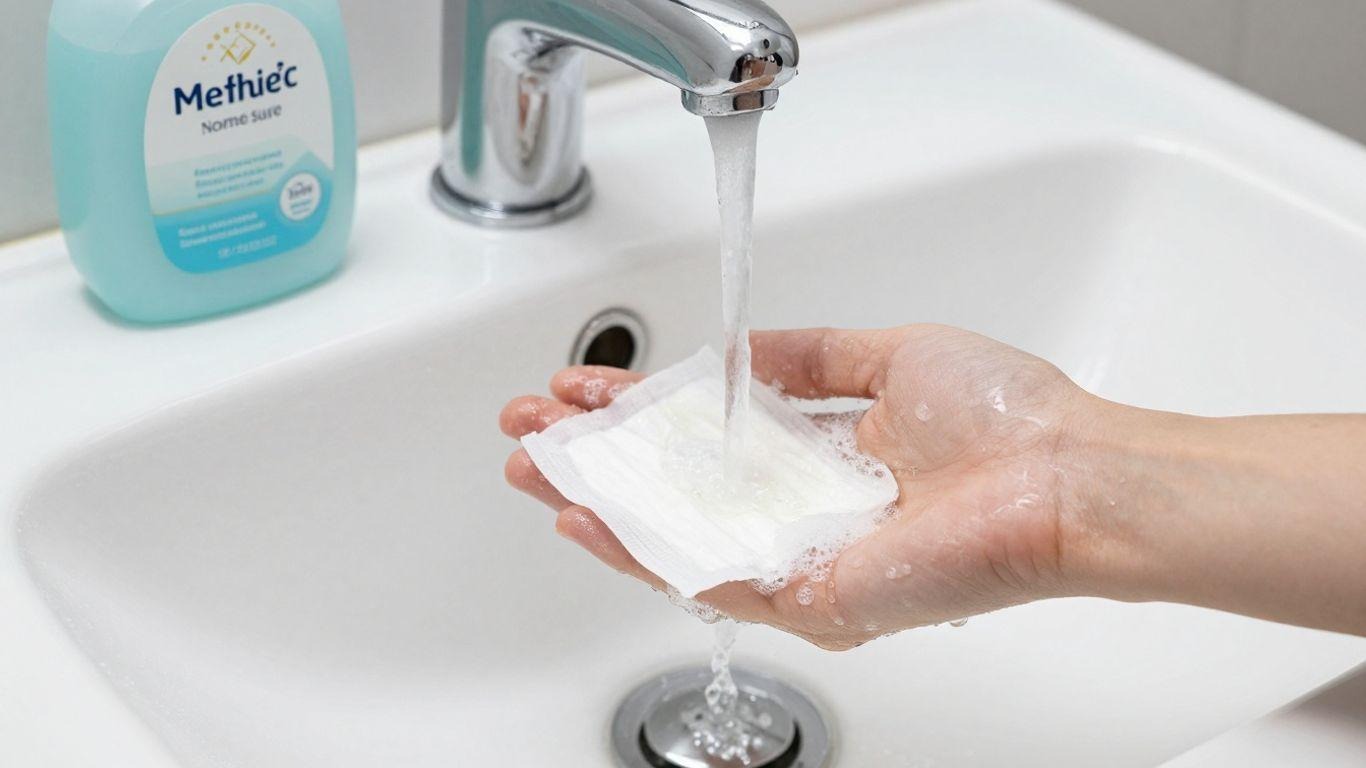
Initial Rinse and Pre-Wash Steps
After each use, it’s important to give your reusable sanitary protection a good rinse. Cold water is your best friend here; hot water can set stains and odors. Just a quick rinse under the tap should do the trick. This initial step helps remove the bulk of any residue before you move on to washing.
Think of this as the first line of defense against lingering smells and stubborn marks. Don’t skip this part, even if you’re in a public restroom. A quick rinse and a fold into a waterproof bag will keep things contained until you can properly wash them at home. This simple action makes a big difference in the overall cleanliness and longevity of your reusable items.
For those really tough situations, a short soak in cold water before washing can be beneficial. This helps to loosen any dried-on material. After rinsing, you can store them in a wet bag or a designated container until you’re ready for the main wash. Proper pre-wash care is key to keeping your reusable sanitary protection fresh and hygienic.
Machine Washing Best Practices
When it comes to machine washing, treat your reusable sanitary protection like delicates. Use a cold or lukewarm water setting. Avoid using hot water, as it can damage the materials and set stains. A gentle cycle is also recommended to prevent excessive wear and tear.
Choose a detergent that is free from harsh chemicals, bleach, and fabric softeners. Powdered detergents are often a good choice. You don’t need a lot of detergent; a small amount is usually sufficient. Overusing detergent can leave residue, which can irritate the skin and affect the absorbency of the pads.
It’s a good idea to wash your reusable items with other similar items, like dark towels or underwear. Avoid washing them with heavily soiled items. A full load is best, but don’t overload the machine. This allows for proper rinsing and cleaning. After the wash cycle, check to see if they are completely clean before moving to the drying stage.
Hand Washing Techniques
Hand washing is a great option if you prefer a more hands-on approach or if you’re away from a washing machine. Start by rinsing the item thoroughly in cold water. Gently rub the fabric together to remove any remaining residue. Avoid harsh scrubbing, which can damage the materials.
Use a mild, unscented soap or a detergent specifically designed for delicates. Work up a gentle lather and wash the item carefully. Pay attention to any stained areas, but again, avoid aggressive rubbing. The goal is to clean effectively without compromising the integrity of the fabric.
Once washed, rinse the item thoroughly in cold water until all soap residue is gone. Squeeze out excess water gently; don’t wring or twist the fabric, as this can cause stretching or damage. This method of washing reusable sanitary protection is effective for maintaining their quality.
Detergent Choices for Reusable Items
Selecting the right detergent is important for the care of your reusable sanitary protection. Opt for mild, powdered detergents. These tend to rinse out more cleanly than liquid detergents, leaving less residue behind. Look for detergents that are free from dyes, perfumes, bleach, and fabric softeners.
Fabric softeners and bleach can degrade the materials over time, reducing the lifespan and absorbency of your reusable items. They can also cause skin irritation. Even natural or “eco-friendly” detergents might contain ingredients that aren’t ideal for reusable menstrual products, so always check the label.
If you’re unsure about a particular detergent, it’s best to do a small test wash or stick to a known gentle option. The goal is to clean effectively while preserving the fabric and its properties for repeated use. Proper detergent choice is a key part of washing reusable sanitary protection.
Drying and Storing Reusable Protection
Once your reusable sanitary protection is clean, proper drying and storage are key. This step helps maintain hygiene and extends the life of your products.
Air Drying Methods
Air drying is the best way to dry reusable menstrual products. Hang items like pads or menstrual cups where they can get good air circulation. Avoid direct, harsh sunlight for extended periods, as it can degrade some materials over time. For menstrual cups, ensure they are completely dry inside and out before storing. A simple way to do this is to let them air dry on a clean towel or a drying rack.
Proper Storage for Longevity
Store your clean and dry reusable protection in a breathable container. This could be a cotton pouch or a dedicated storage bag. Avoid plastic bags, as they can trap moisture and lead to mildew or odors. For menstrual cups, keeping the lid on the storage container is a good idea. This keeps dust and other particles away. Proper storage is vital for keeping your reusable items fresh and ready for use.
Avoiding Damage During Drying
Harsh drying methods can damage your reusable sanitary protection. Skip the dryer machine, as the heat can shrink or warp materials, especially with pads. Also, avoid using high heat when ironing, if you choose to iron pads (though it’s usually not necessary). For menstrual cups, never use a microwave or boiling water for drying unless specifically instructed by the manufacturer, as this can damage the material and its self-sanitizing properties. Gentle care during drying protects your investment.
Maintaining Hygiene with Reusable Protection
Ensuring Cleanliness After Each Use
Keeping your reusable sanitary protection clean after every use is key to its longevity and your comfort. For many reusable menstrual products, a simple cold water rinse is the first step. This helps to remove the bulk of any residue before washing. A thorough rinse prevents staining and makes subsequent washing more effective.
After rinsing, it’s often recommended to give the item a gentle wash. This can be done by hand or in a machine, depending on the product. The goal is to remove any remaining traces of menstrual fluid. Proper cleaning after each use is the foundation of good hygiene with reusable items.
Some advanced reusable products, like certain tampon applicators, feature self-sanitizing technology. These often use special materials that resist bacteria. Even with these features, a quick rinse is still a good practice to maintain peak performance and hygiene. Always follow the manufacturer’s specific care instructions.
Preventing Odors and Stains
Odors and stains can be a concern, but they are usually manageable with the right approach. Promptly rinsing items after use is the best defense against both. Letting menstrual fluid sit can lead to lingering smells and set-in stains. Cold water is generally recommended for the initial rinse, as hot water can sometimes set stains.
When washing, choose a mild, biocide-free detergent. Harsh chemicals can damage the materials of your reusable protection and may not be necessary for effective cleaning. For reusable pads, a powder detergent can be quite effective. Avoid fabric softeners, as they can reduce absorbency over time.
For stubborn stains, a pre-soak in a cold water solution with a bit of oxygen-based bleach (check product instructions first!) can help. Sunlight is also a natural stain remover and disinfectant for fabric items; drying them in the sun can work wonders. Maintaining cleanliness prevents odors and stains.
Hygiene in Public Restrooms
Managing reusable sanitary protection in public restrooms might seem tricky, but it’s quite manageable. The key is preparation and having a plan. Many people carry a small wet bag or a waterproof pouch to store used items until they can be properly washed at home. This keeps things discreet and contained.
If rinsing is necessary in a public restroom, a quick rinse under the tap is often sufficient. Some reusable tampon applicators are designed for easy cleaning with just water or even a quick wipe with toilet paper. The self-sanitizing properties of some products can offer peace of mind when a full wash isn’t possible.
For reusable pads, a quick fold and placement into a dedicated wet bag is usually the most practical solution. You can then wash them thoroughly when you get home. Being prepared with a small kit for public restroom use makes the transition to reusables much smoother and more confident.
Extending the Lifespan of Your Reusables
What to Avoid During Care
Taking good care of your reusable sanitary protection means knowing what not to do. Harsh treatments can really cut down how long your items last. Things like boiling water, using strong chemicals, or putting them in the dishwasher are big no-nos. These methods can damage the materials and the special features that keep them clean and effective. Treating your reusables gently is key to their longevity.
The Importance of Proper Maintenance
Proper maintenance is more than just washing; it’s about understanding the materials and how they work. For instance, some reusable applicators have built-in sanitizing technology that can be ruined by boiling. Similarly, reusable pads can lose absorbency if washed with fabric softener or bleach. Following the manufacturer’s specific care instructions for your reusable items ensures they perform well and last for years. This mindful approach saves money and reduces waste.
When to Consider Replacement
Even with the best care, all products have a lifespan. Look for signs of wear and tear. This could be fraying edges on pads, persistent odors that washing won’t remove, or damage to reusable applicators. If a product no longer feels hygienic or effective, it’s time to think about replacing it. Most reusable sanitary protection is designed to last a long time, often several years, so replacement is infrequent. When you do need to replace items, check if they can be recycled locally to minimize environmental impact.
Wrapping Up Your Reusable Care Routine
So, that’s the lowdown on keeping your reusable period products clean and ready to go. It might seem like a bit of extra work at first, but honestly, it becomes second nature pretty quickly. Rinsing with cold water, a gentle wash, and air drying are the main steps. Once you get the hang of it, you’ll find these products are super reliable and a great choice for both your wallet and the planet. Making the switch is a smart move, and with this knowledge, you can feel good about using your reusable protection with confidence every month.



Leave a Reply