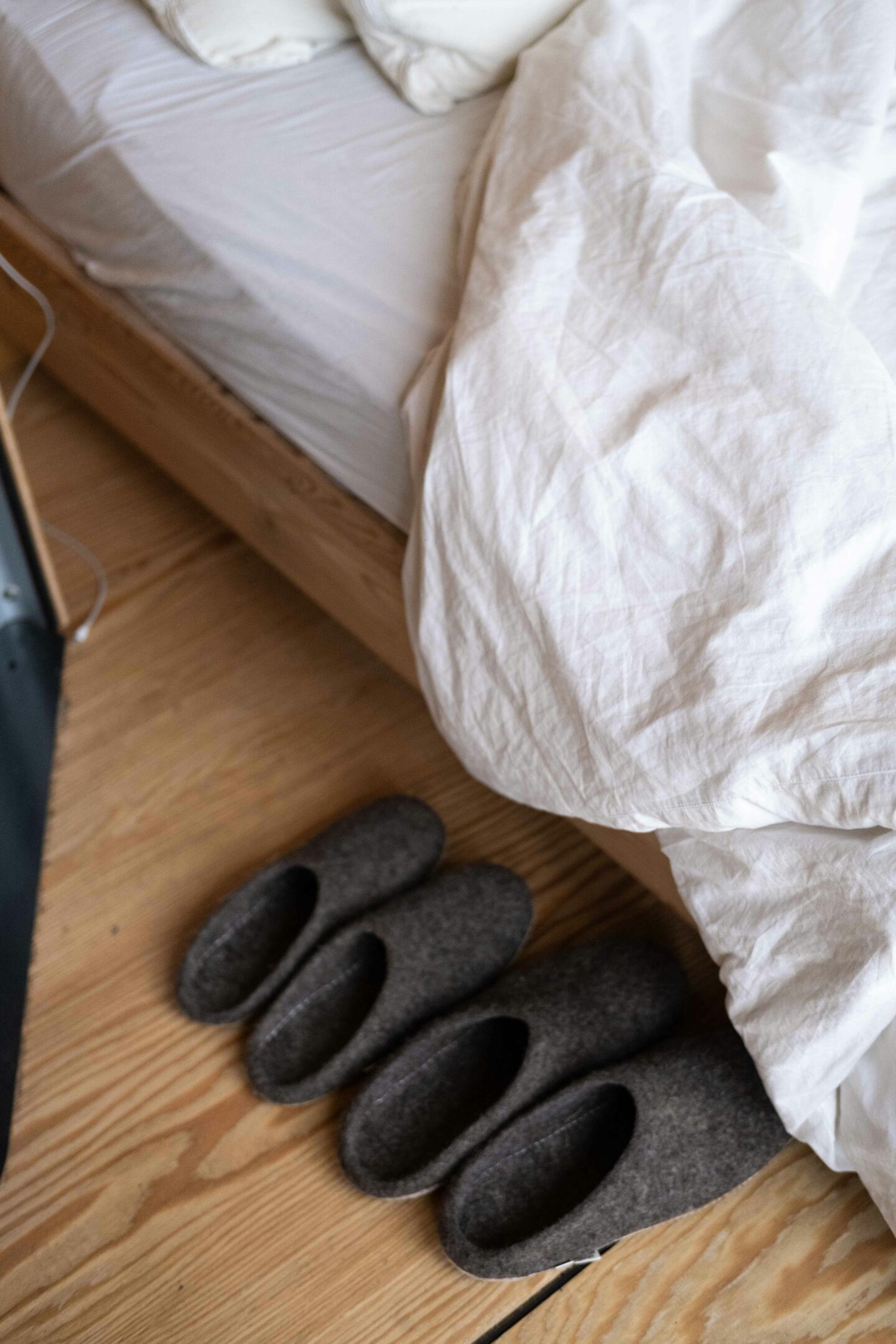
If you live with diabetes, “just popping to the kitchen” can carry risks most people never think about. A tiny splinter from a wooden floor. A scratch from a broken tile edge. A hot patch near a radiator. Even a crumb inside a slipper. For someone with reduced sensation (neuropathy), those small things can go unnoticed, and that is exactly how bigger foot problems sometimes start.
That is why diabetic-friendly indoor footwear exists. Not as a luxury. Not as a niche product. As a simple layer of protection that helps you go about your day without constantly worrying about what your feet might bump into.
In this guide, we’ll break down what diabetic slippers actually are, how they differ from regular slippers, the features that matter, and who should be wearing them. If you’re currently wearing flimsy open-back house slippers or going barefoot at home, you’ll understand why those habits are quietly risky.
To make it practical, we’ll also cover a buying checklist, fit tips, and common mistakes that lead to rubbing, pressure points, and blisters.
What are diabetic slippers?
Diabetic slippers are indoor slippers designed with the same protective goals as diabetic shoes: reduce friction, reduce pressure spikes, improve stability, and protect the skin from minor injuries that can become major issues when sensation or circulation is compromised.
A quick way to understand the difference is this:
Regular slippers prioritise convenience and warmth. Diabetic slippers prioritise protection plus comfort.
If you want to see the sort of footwear options typically built around these principles, start here: diabetic slippers.
Why diabetic slippers are “essential,” not optional
Most diabetes foot-care guidance across major health organisations points to one core habit: protect your feet all the time, including indoors.
- The NIDDK (US National Institute of Diabetes and Digestive and Kidney Diseases) explicitly advises: “Wear shoes and socks at all times.”
- The American Diabetes Association advises avoiding going barefoot even at home and mentions slippers at home as a way to protect feet.
- A UK NHS podiatry leaflet from University Hospitals Coventry and Warwickshire (UHCW) says to avoid walking barefoot, and specifically recommends wearing a shoe or thick-soled slipper indoors to protect your feet.
So the “essential” part isn’t marketing. It’s that indoor environments still contain hazards, and diabetes can reduce your ability to detect injuries early.
The two big reasons indoor footwear matters more with diabetes
- Reduced sensation can hide damage
Neuropathy can make you less able to feel rubbing, heat, sharp objects, or small cuts. That means you can keep walking on a problem for hours without noticing. - Pressure + friction can escalate faster than you expect
A tight seam or a rough edge inside a slipper can create a hotspot. Hotspots become blisters. Blisters can become wounds. With diabetes, the “time to problem” can be shorter, especially if circulation is reduced or you already have calluses or deformities.
That’s why guidance from Diabetes UK stresses making sure footwear fits properly and checking footwear before putting it on.
What makes diabetic slippers different from normal slippers?
Here are the differences that actually matter (not just buzzwords).
1) A protective, thicker sole
Many standard slippers have soft, thin soles. They feel cosy but don’t do much to protect you from:
- stepping on sharp debris
- pressure from hard floors
- uneven indoor surfaces
The UHCW NHS leaflet is clear about “thick-soled slipper indoors” to reduce injury risk.
2) A safer interior: fewer seams, smoother lining
Regular slippers often have interior stitching that can rub. If you can feel it, you’ll adjust. If you can’t feel it, it can keep rubbing.
Diabetic slippers are typically designed to reduce internal friction points, which lowers the chance of blisters or skin breakdown.
3) Extra depth and toe room
Swelling, bunions, hammertoes, and general “end of day” foot expansion are common. Extra depth helps reduce pressure on the top of toes, and a roomier toe box reduces crowding.
Even if you don’t think your feet are “wide,” toe room can be the difference between a slipper that feels fine for 20 minutes and one you can wear all day.
4) A more stable fit (so you’re not shuffling)
A lot of house slippers are basically designed to be loose. That can cause:
- heel slip
- toe gripping (you curl toes to keep the slipper on)
- higher fall risk on smooth floors
Diabetic-friendly designs often aim for a more secure hold so you can walk normally, not shuffle.
5) Non-slip traction for indoor surfaces
Bathrooms, kitchens, tiles, polished floors. Indoor slips happen fast, especially when you’re half distracted.
A slipper with decent traction isn’t just “nice.” It can prevent a fall that turns into weeks of reduced mobility.
Who should wear diabetic slippers?
Not every person with diabetes has the same foot risk, but indoor protection is a good baseline habit. Some groups benefit even more.
You should prioritise diabetic slippers if you have:
- tingling, numbness, burning, or reduced sensation (neuropathy)
- a history of calluses, corns, blisters, or ulcers
- swelling that makes shoes feel tight by evening
- toe deformities (bunions, hammertoes)
- poor circulation (cold feet, slow healing)
- balance issues or a fear of slipping indoors
If you’ve ever found a small cut on your foot and thought, “When did that happen?” you’re exactly the person indoor protective footwear is made for.
The “barefoot at home” myth
Some people assume home is safe, so barefoot is fine. Diabetes care guidance disagrees.
- ADA: avoid going barefoot, even at home, and slippers can provide protection.
- NIDDK: wear shoes and socks at all times.
- UHCW NHS leaflet: avoid barefoot walking; wear a thick-soled slipper indoors.
If you want the health logic in one sentence: you can’t protect what you can’t feel, and you can’t prevent injuries if your feet are unprotected.
What to look for when buying diabetic slippers
You don’t need a long checklist. You need the right priorities.
Start with these five “non-negotiables”
- Closed-toe or well-protected front
Open-toe slippers expose toes to bumps and scrapes. - Thick, protective sole
Especially important on hard floors and for people with reduced sensation. - Non-slip outsole
Indoor traction matters more than you think. - Smooth interior
Less friction, fewer hotspots. - Room and adjustability
If you swell, adjustable closures are your friend. A “fixed” fit can feel tight later in the day.
Features that are “strong bonuses” depending on your needs
- Removable insole if you use orthotics
- Extra depth if toes rub the top of the slipper
- A secure heel design if you shuffle or feel unstable
- Moisture control if your feet sweat (sweaty skin blisters easier)
Fit matters as much as features
You can buy the right product and still get it wrong if fit is off.
Practical fit rules that work
- Try them later in the day if you swell.
- Make sure toes can wiggle freely.
- Walk around for a few minutes and look for early “hot spots.”
- If your heel slides a lot, it’s too loose.
- If the top of the slipper presses down on your forefoot, you may need extra depth.
And here’s a habit that sounds boring but saves a lot of trouble: check inside your slippers before putting them on. Diabetes UK and NHS leaflets explicitly recommend checking footwear for foreign objects or rough areas.
Common mistakes (and why they backfire)
“They’re just slippers, they don’t need to fit perfectly”
They do, because you wear them a lot. And repetitive friction is exactly what causes problems.
Wearing open-back, floppy slippers all day
They’re convenient, but they often make you shuffle and grip with toes to keep them on. That increases fatigue and can increase fall risk.
Choosing “softest” instead of “most stable”
Soft foam can feel good in the moment and still be unstable. Stability matters for walking normally and feeling confident on smooth floors.
Ignoring swelling patterns
If your feet swell, buy slippers that can adapt. A snug morning fit can become a painful afternoon squeeze.
How diabetic slippers support overall foot care
Think of slippers as one part of a simple prevention routine, not a standalone fix.
A strong daily routine is usually:
- daily foot checks
- clean, well-fitting socks
- protective footwear indoors and outdoors
- checking inside shoes/slippers before wearing
- seeking help early if you spot a wound, colour change, or swelling
NIDDK’s guidance emphasises daily checks and wearing shoes and socks at all times.
Diabetes UK also emphasises fit and checking footwear.
That routine is basic, but it’s basic for a reason: it works.
When to speak to a clinician instead of “just changing slippers”
Shoes and slippers can reduce risk, but they can’t diagnose what’s happening.
Seek medical advice promptly if you notice:
- a wound that isn’t healing
- redness, warmth, swelling, or spreading pain
- a blackened area or sudden colour change
- new numbness or sharp pain
- increasing swelling that doesn’t follow your normal pattern
If you’re at high risk (previous ulcers, severe neuropathy, deformities), some clinical guidance suggests you should wear appropriate protective footwear during all weight-bearing activities.
FAQ
Are diabetic slippers really different from normal slippers?
Yes. They’re designed around protection: thicker sole, reduced friction, better stability, and more toe room. Regular slippers are often built mainly for warmth and convenience.
Should people with diabetes wear slippers at home?
Major diabetes foot-care guidance advises protecting feet even at home and avoiding barefoot walking. ADA mentions slippers at home as a protective option.
Do diabetic slippers prevent foot ulcers?
They can reduce risk by lowering friction, pressure points, and injury risk indoors, but they don’t guarantee prevention. Daily foot care habits and early treatment matter too.
What style is safest: open-toe or closed-toe?
Closed-toe is generally safer because it protects toes from bumps and small injuries.
If I have neuropathy, what should I prioritise?
Protection and fit. Wear shoes or protective slippers indoors, check inside footwear before wearing, and inspect feet daily.
Can I wear my diabetic slippers outside?
Many are designed for indoor use. If you want something for outdoor steps too, look for a durable outsole and better weather resistance. (Still: keep indoor footwear indoor if hygiene is a concern.)
How often should I replace them?
Replace when the sole becomes smooth (slip risk), when cushioning feels “dead,” or when the interior lining becomes rough. If the fit changes or you notice rubbing, don’t push through it.
Do I need special socks with diabetic slippers?
Socks that fit well, don’t bind, and minimise seams can reduce friction. Diabetes foot-care guidance commonly stresses socks that protect and fit properly.
Closing thought
If you do one thing for your feet this month, make it this: stop treating home as a “safe enough” environment to go barefoot.
The goal isn’t to be paranoid. It’s to be practical. Diabetes changes the risk profile of small injuries, and the easiest way to lower that risk is to keep your feet protected during everyday life.



Leave a Reply