Travel blogging looks like freedom. It is flexible income, pretty photos, and stories from new places. But online freedom comes with risks. Not all risks are physical. Many are digital. For bloggers in Malaysia — and for travel writers everywhere — understanding simple cybersecurity steps is now part of the job.
Why protection is important
You publish photos. You post locations. You log into public Wi-Fi. Each click can leak personal data. Malaysia has an almost complete internet reach; most people are online. This level of connectivity is great for travel bloggers but it also raises the stakes for privacy and scams. Recent overviews show Malaysia’s internet penetration is very high, at around 97% of the population.
Fraud and phishing remain common problems. National incident reports show hundreds to thousands of fraud reports in short time windows; in one quarterly summary there were more than a thousand fraud incidents reported. Reporting rates and types of scams change quickly, but the trend is clear: online fraud is active and targets ordinary users and businesses alike.
VPNs, free access, and basic cybersecurity
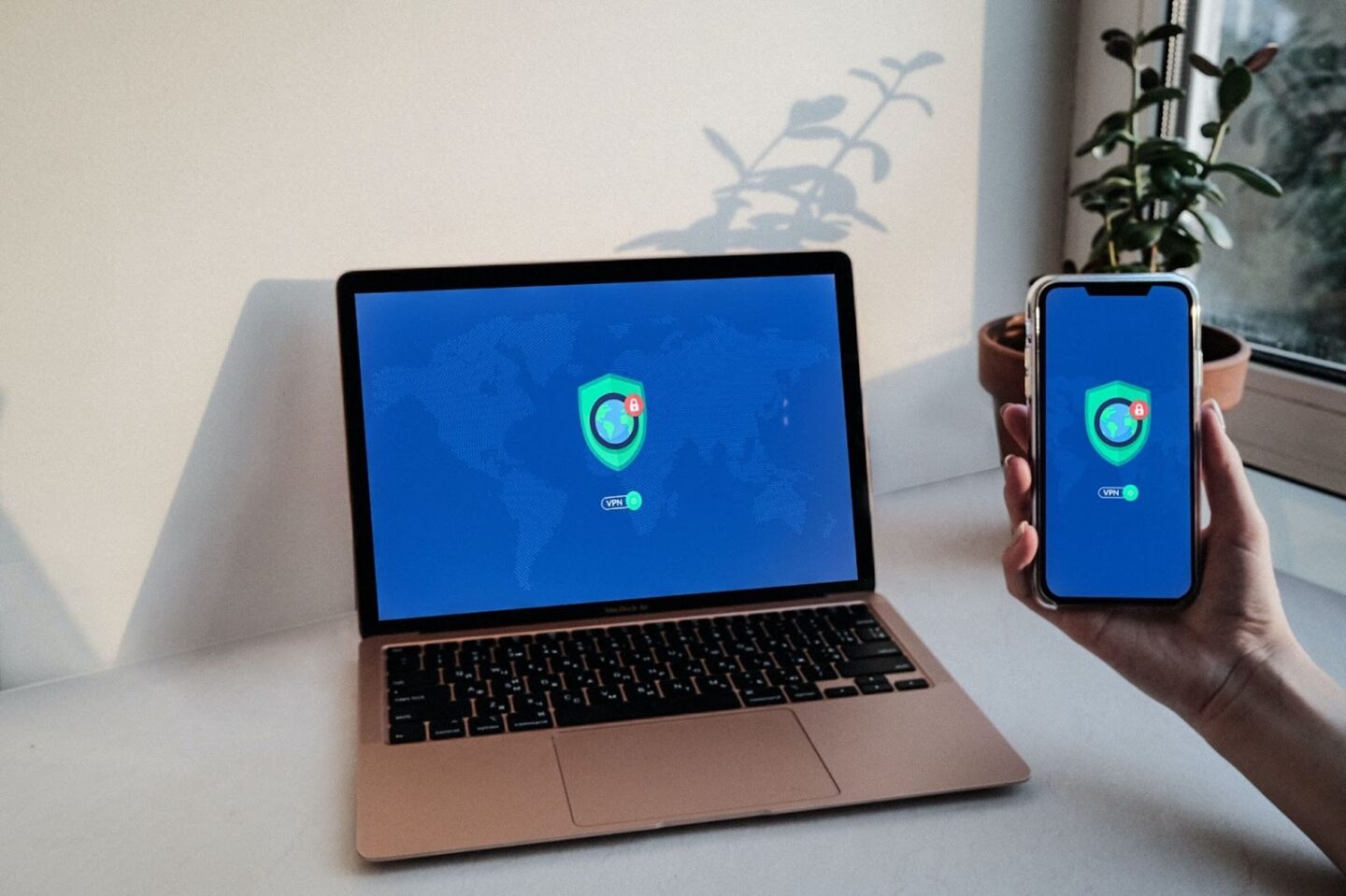
A VPN (virtual private network) helps by encrypting your internet traffic and hiding your IP address. Use it when you join a hotel or cafe Wi-Fi. Use it when you access geo-blocked content for research or for uploading to streaming platforms.
Many bloggers install VPN apps on their phones and laptops because it makes public Wi-Fi safer and because some content or tools work differently in other countries. If you own an iPhone, search for reliable VPN options for iOS and install one before you travel. This simple tool will help protect your iPhone from most cyber risks targeting your data or device. And yes, an iOS VPN is necessary, because despite all the security measures within the operating system, data is usually transmitted unprotected to external servers. A VPN solves this problem.
Specific threats travel bloggers face
- Account takeover. Imagine losing access to a monetized Instagram or YouTube channel. Recovery can be slow and revenue stops immediately.
- Phishing. Targeted messages — sometimes pretending to be brands or booking sites — can steal login details. Reports show phishing and fraud are a leading share of reported incidents.
- Location privacy leaks. Posting exact times and coordinates makes real-world stalking or theft easier.
- Content theft. Photos and written guides can be copied and reposted without credit.
- Payment fraud. If you use public Wi-Fi when handling sponsorship payments, you risk exposing banking or PayPal credentials.
Local context and what Malaysians already do
Many Malaysians already take privacy steps online. A regional digital study found high use of privacy measures among Malaysian internet users, such as clearing browsing data and reading privacy notices. That means there is awareness — but awareness is not always the same as habit. Turning awareness into daily habits (VPN, 2FA, password manager) matters.
Practical tips for travel bloggers in Malaysia
- Use a reputable VPN on phone and laptop. Run it on public Wi-Fi. Simple. Reliable. Effective.
- Turn on two-factor authentication (2FA) for every platform that supports it. Use an authenticator app, not SMS when possible.
- Use strong, unique passwords. A password manager helps.
- Pause location-sharing when you publish real-time updates. Post later if you must share a live photo.
- Keep system and app updates current. Updates often patch security holes.
- Back up content to encrypted cloud storage and a physical drive. Losing raw files is harder than losing a single post.
- Vet collaborators and guests. If someone contacts you about a paid trip, verify official emails and contracts before sharing sensitive info.
- Train yourself to spot phishing: check sender addresses, hover over links, and don’t download unexpected files.
Quick checklist for a safe travel day
• VPN active on phone and laptop.
• 2FA enabled.
• Location off for posts.
• Payment actions on mobile data, not public Wi-Fi.
• Daily backup completed.
Adding numbers: a reality check
VPN use has grown globally; many users adopt VPNs to protect privacy and access services while travelling. Studies and industry reports point to rising adoption and daily use by a significant portion of internet users. That trend matters: the more travel creators use protective tools, the harder it becomes for opportunistic attackers to succeed.
At the national level, cybersecurity teams in Malaysia continue to publish incident statistics and advisories; staying aware of these bulletins helps creators adjust to new scam patterns. Check advisories from the national response team regularly. MyCERT
Simple privacy settings that protect content and income
- Limit who can tag you or post on your timeline.
- Approve comments and DMs from unknown accounts with caution.
- Use platform creator tools to report impersonation quickly.
- Keep a secure contact method for sponsors outside social platforms (email and official contracts).
Closing: why this matters for bloggers in Malaysia
Travel blogging is storytelling. It depends on trust: trust from readers, trust from sponsors, trust from platforms. Digital safety helps preserve that trust. It also protects your livelihood. Small steps — a VPN, 2FA, strong passwords — are low effort and high impact. Start with one change today. Then add another tomorrow.



Leave a Reply