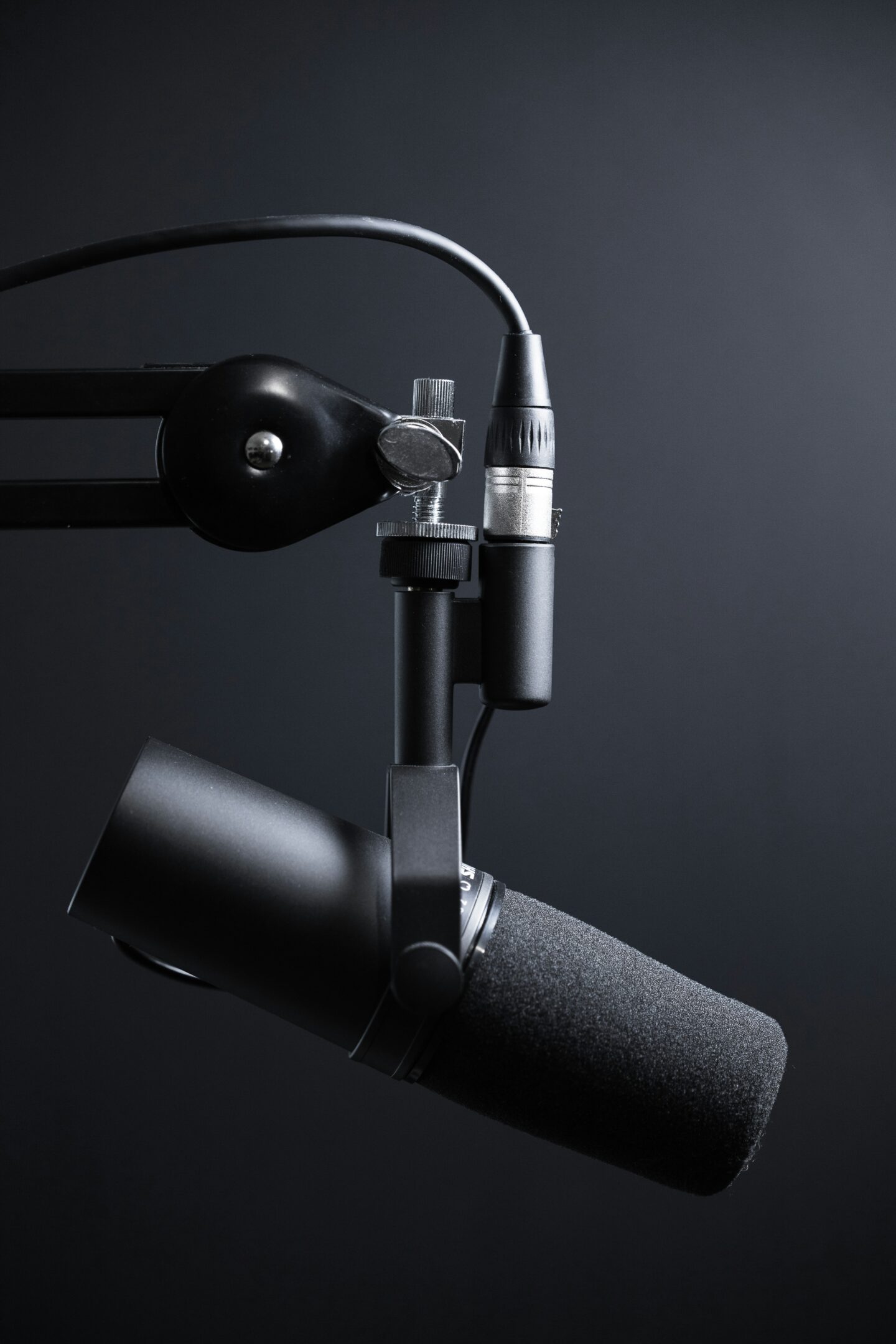
Podcast advertising has quietly gone from a bit of a niche experiment to one of the most interesting corners of media in the UK, and if you listen to podcasts on your commute, in the gym or while you’re half‑doing the washing up, you’ll know exactly why.
Put simply, there are now enough of us listening, often enough, for podcast advertising to matter in a serious way. According to the UK Podcast Consumer 2025 research, around 51% of UK adults aged 16+ listened to a podcast in the last month, which works out at roughly 25 million people. That’s not just ‘techy mates who love true crime’ territory any more, that’s mainstream. Around a third of the country has listened in the last week, and about 71% of us have tried a podcast at some point, so the pool for advertisers is only getting bigger.
What makes podcast advertising so different is the way it fits into people’s lives. Most listening is still on smartphones, often through Spotify, YouTube, BBC Sounds or Apple Podcasts, and usually through headphones. That creates a kind of intimate, one‑to‑one environment that traditional radio or social feeds can’t really copy. You’re not battling a dozen other posts on a screen; it’s usually just the host, the listener and the story.
Then there’s the big factor advertisers care about: how people feel about the ads. In the same UK study, 83% of weekly podcast listeners agreed that hearing adverts is a fair price to pay for free content. That’s unusually high compared with how grumpy people tend to be about online ads in general. It also helps explain why host‑read ads have become so prized. Globally, they account for more than half of all podcast ad revenue, because a recommendation coming straight from a trusted presenter often lands better than a generic, pre‑recorded spot dropped in from nowhere.
The money has followed the ears. Worldwide, podcast ad spend in 2025 is estimated at around £3.5 billion equivalent, and while the US still takes the biggest slice, the UK market is now growing at pace. Forecasts suggest UK podcasting overall could grow at more than 20% a year into the early 2030s, with advertising a big part of that. We’re still behind the amount brands spend on things like online video and social, but that’s also why agencies keep calling podcasting “undervalued” compared with how much time people actually spend with audio.
For brands used to blasting out 30‑second TV spots, the formats in podcast advertising can feel refreshingly flexible. You’ve got:
Pre‑roll ads at the start of an episode, where attention is usually highest.
Mid‑roll ads in the middle of the show, often read live or semi‑scripted by the host.
Post‑roll ads at the end, useful for extra frequency and cheaper impressions.
Longer‑term sponsorships, where a brand becomes the ‘presenting partner’ of a whole series or season.
Because many UK podcasts have quite specific audiences, you can get very niche: parenting, women’s football, climate anxiety, ADHD, DIY, finance, you name it. For a marketer, that’s a dream. Instead of shouting at everyone, you can talk directly to self‑selecting communities who’ve already shown they care about a topic by seeking out that show.
Does it work? There’s a growing stack of numbers that suggest it does. Studies referenced in the UK Podcast Consumer 2025 report show meaningful shifts in how people feel about brands after hearing them advertised in podcasts. In one travel example, the proportion of listeners with a “very favourable” opinion of a brand jumped from low single digits to close to four in ten after a campaign. Other surveys point out that around a quarter of listeners have bought something they first heard about on a podcast. That’s not mind‑blowing on its own, but when you combine it with the relatively low creative costs and the ability to test and tweak, it starts to look attractive.
Of course, podcast advertising isn’t perfect. Measurement is still messier than on, say, paid social. You often have to rely on promo codes, bespoke landing pages, or brand‑lift studies rather than simple click‑through rates. Smaller UK shows might not have the download numbers to tempt big brands on their own, which is why networks and programmatic buying platforms have popped up to bundle inventory together and sell it more like digital display or radio.
There’s also a creative challenge. The worst podcast ads are the ones that sound like they’ve been ripped straight from commercial radio and dropped awkwardly into the middle of a chat between two people you’ve grown to like. The best ones feel native to the show’s tone and audience: honest, a bit informal, sometimes funny, and clear about what’s in it for the listener.
For UK creators, podcast advertising has become a realistic route to paying the bills. You don’t need to be a celebrity with millions of downloads to attract sponsorship anymore, especially if your audience is loyal and clearly defined. For brands, there’s a sense that getting into podcast advertising now is a bit like getting into social media in its early days: the attention is already there, but the ad spend hasn’t completely caught up yet.
So if you’re a marketer trying to stretch a UK media budget, podcast advertising is no longer something to stick at the bottom of a “maybe one day” list. Your potential customers are already listening, often for hours a week, and they’ve pretty much told us they’re fine with hearing from brands as part of the deal. The real question is whether you can create something they’ll actually want to hear.



Leave a Reply