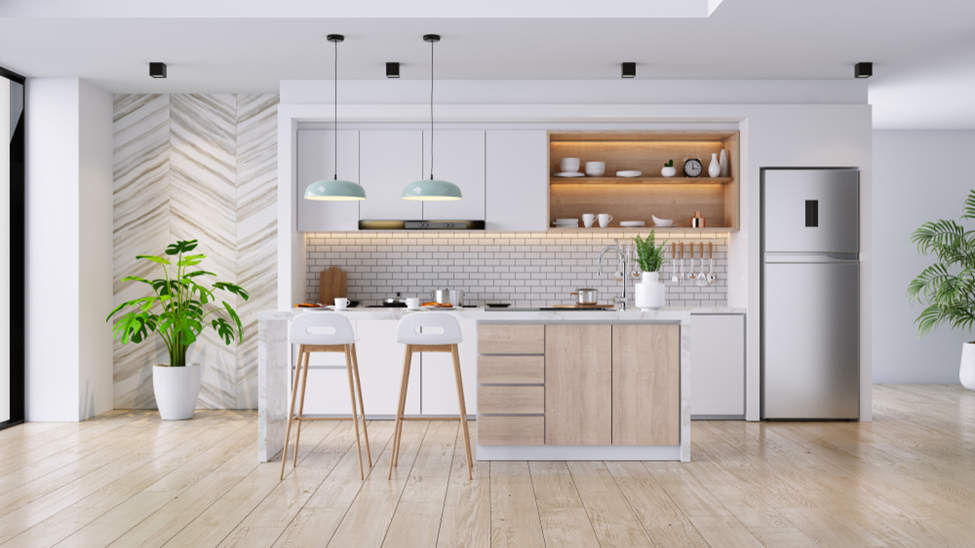
Homes are increasingly shaped by tactile comfort, visual calm and long-term quality, and few surfaces deliver this balance as convincingly as timber. In kitchen settings, wooden kitchen worktops show how a natural surface can add warmth, modulate acoustics and soften light while signalling authenticity. Evidence from environmental psychology indicates that interior wood can reduce stress, with one study concluding that “wood provides stress-reducing effects similar to exposure to nature”. The renewed interest in genuine materials forms part of a wider move toward spaces that prioritise wellbeing, quiet luxury and tangible connection to the natural world.
The emotional connection between wood and home
Humans respond to natural materials at a multisensory level. When the working heart of the home features a timber surface, the visual irregularity of grain and figure introduces subtle variety that supports attention and calm, rather than the glare and chill often associated with highly polished synthetics. Each board tells a small story of growth and weathering, and the individuality of the pattern is what gives every kitchen its quiet identity.
Touch matters as much as sight. Compared with stone or composite, wood’s lower thermal effusivity makes it feel warmer on first contact. Laboratory studies have found that wood-based surfaces are “more pleasant to touch” and more liked for everyday use than higher-effusivity materials. This helps explain the lived-in character that homeowners perceive when they rest a hand on a timber island or lean at a breakfast bar. That physical softness also contributes to acoustic comfort by absorbing echoes and dulling hard reflections, helping kitchens double as social and family spaces without the clatter that often accompanies open-plan design.
Modern homes and the return of the natural aesthetic
Recent UK renovation data shows that homeowners continue to prioritise natural finishes in kitchens. Designers attribute this partly to a fatigue with synthetic gloss and partly to the influence of Scandinavian and Japanese design philosophies that value imperfection, tone and touch over uniformity.
Cultural trend reporting mirrors this shift. Pinterest’s 2025 trend brief highlights rustic and nature-toned aesthetics rising across home décor, reflecting a desire for warmth, texture and craft. This movement aligns with the wider notion of “slow interiors”, where materials are chosen for longevity and emotional resonance rather than short-term fashion. In lifestyle terms, this trend dovetails with a move away from minimal gloss toward layered, sensory interiors that feel personal and enduring. A timber worktop fits neatly into this narrative because it matures gracefully, acquiring a patina that reflects real use and time spent in the space.
The technical side: durability, maintenance and craftsmanship
Species selection is the first technical decision. European or English oak is renowned for strength and decay resistance, making it a dependable choice where toughness and traditional character are desired. Iroko offers high durability and natural resistance to moisture and pests, which is why it is frequently compared with teak in wet-adjacent settings. Cherry lends a fine, even grain and a warm rosiness, though it is typically softer on the Janka scale than many oaks. For context, the Janka test measures the force needed to embed a steel ball into wood, giving a practical proxy for dent resistance. Maple, walnut and beech are also common, each with their own tonal and textural identities suited to different design schemes.
Finishing and care determine performance over decades. Hard-wax oils and modern top oils penetrate and seal the surface while leaving a natural, repairable sheen that suits high-use kitchens. Authoritative consumer guidance suggests oiling as needed or at least twice a year, with spot maintenance on high-traffic zones to sustain water repellency and colour depth.
Because timber can be renewed locally through sanding and re-oiling, owners can remedy scratches and dryness without replacing the whole surface, which supports both longevity and resource efficiency. Many households find that these small acts of maintenance become a satisfying ritual, reinforcing a sense of ownership and care.
Sustainability and responsible sourcing
Credible certification remains a cornerstone of responsible timber use. The Forest Stewardship Council notes that “the FSC label is the world’s most trusted mark for sustainable forestry”, helping specifiers and consumers identify wood from well-managed forests or recycled sources. Choosing FSC or PEFC-certified products supports forest resilience and biodiversity while offering traceable supply chains for everyday products such as worktops and cabinetry.
Sustainably sourced timber often comes from managed European forests where replanting rates exceed harvesting, making it one of the few renewable construction materials that can act as a carbon store over its lifetime.
Traceability is evolving fast. A 2025 investigation raised concerns about misidentified birch imports entering European and UK markets despite sanctions, prompting calls for stronger verification. The certification bodies and government agencies involved have responded by investing in improved forensic provenance methods, reminding designers and homeowners to combine certification with reputable suppliers and clear chain-of-custody documentation. Greater transparency not only safeguards forests but also protects consumers from greenwashing, reinforcing confidence that their material choices genuinely support sustainable practice.
Styling inspiration: integrating wood into contemporary interiors
Timber is remarkably adaptable across styles. In pared-back spaces, quarter-sawn oak or walnut complements off-white cabinetry and brushed metalware, bringing visual warmth without clutter. In industrial-leaning rooms, iroko or mid-tone oak pairs elegantly with concrete, graphite paint and fluted glass. Lighter woods such as beech and maple lend brightness to smaller kitchens, while darker walnut or cherry introduces richness and contrast against pale walls. Where acoustics matter, slatted timber and wood-fibre panels can help absorb reverberation within open-plan layouts, improving speech clarity and comfort for family life.
Biophilic design offers a useful checklist for styling decisions. Patterns such as material connection to nature, non-visual connections and complexity-and-order encourage layering of texture, tone and natural light. Think of timber working alongside stone, linen and plants, with varied grain directions and subtle colour temperature shifts across the room to create harmony rather than uniform gloss. Subtle contrast between cool and warm tones allows the wood to stand out naturally, creating a balanced rhythm of materials that feels both modern and timeless.
Conclusion
Natural wood worktops serve both head and heart. They provide measurable comfort in touch and use, credible pathways to responsible sourcing, and long service lives that reward care and craft. Their capacity to evolve with age gives them an honesty that engineered materials rarely match. Put simply, when a kitchen invites the hand to meet warm timber rather than cold laminate or polished stone, it gains an atmosphere that feels humane, adaptable and quietly luxurious. The warmth of wood, in both look and feel, continues to define the essence of a home that values comfort, authenticity and time-tested design.



Leave a Reply