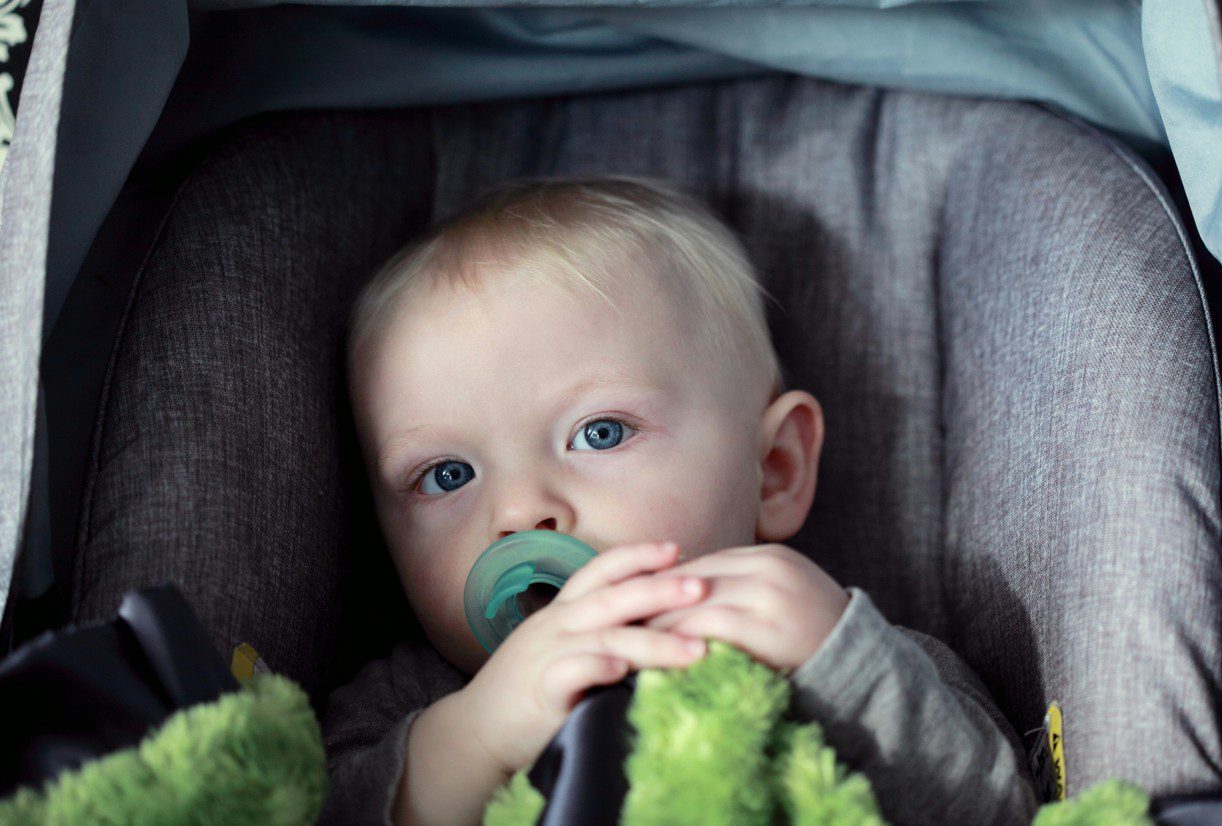
Most parents buy expensive car seats but overlook the single detail that affects their baby’s health every journey: the air quality inside the vehicle. A clogged cabin filter circulates dust, pollen and bacteria straight into your newborn’s lungs, yet many drivers forget this component exists until breathing problems appear.
Keeping your car safe and clean with a newborn requires three essential steps: position the car seat correctly in the rear seat away from airbags, replace the cabin air filter regularly to maintain air quality, and establish daily cleaning routines using mild products. According to experts:
“The safest spot for your child’s car seat is the rear seat, far from active airbags. Airbags are designed to protect the head and chest of an adult wearing a seatbelt. If deployed in the front, they can pose a serious risk. The rearward position of the child seat reduces the impact forces and minimizes the risk of injury from airbag inflation. Always ensure that the seat is installed following the manufacturer’s instructions and your vehicle’s handbook for optimum safety. If your car has Isofix or LATCH rear seats, they provide a simple and secure method of securing car seats.”
Combine proper positioning with waterproof seat covers, organized storage solutions, and weekly vacuuming to prevent milk spills and debris from creating hygiene issues.
Research from the Royal Society for the Prevention of Accidents shows that approximately three quarters of child car seats are fitted incorrectly in the UK, creating unnecessary risks during travel. Proper installation combined with a clean interior creates the safest environment for your newborn.
Preparing your vehicle before baby arrives
Start with a deep interior clean at least two weeks before your due date. Vacuum thoroughly under seats and in crevices where debris accumulates. Wipe down all surfaces with mild, fragrance-free cleaning products, as harsh chemicals irritate a newborn’s respiratory system.
Check your cabin air filter condition. This component removes particles from air entering through the ventilation system. AUTODOC emphasizes the importance of replacing the air filter regularly to maintain optimal air quality, particularly when transporting infants whose immune systems are still developing.
Invest in waterproof, washable seat covers for the rear seats. These prevent milk spills and nappy leaks from seeping into upholstery. Choose materials that don’t create excessive heat, as babies struggle to regulate body temperature.
Daily maintenance routines that work
Keep a cleaning kit in your boot with antibacterial wipes, paper towels, plastic bags, and a small handheld hoover. After each journey, spend two minutes removing rubbish and wiping surfaces. Store a change mat and spare clothes in an organized bag for quick cleanups.
Position sun shades on rear windows to protect your baby from direct sunlight and reduce interior temperature. Use a hanging organiser on the back of the front seats for bottles, dummies and muslins within easy reach.
Managing air quality effectively
Run the air conditioning or heating for a few minutes before placing your baby in the car. This circulates fresh air and brings the temperature to a comfortable level. During longer journeys, crack a rear window slightly to maintain air circulation without creating a direct draught on your baby.
Essential car cleaning checklist
Maintaining a clean car with a newborn becomes manageable when you follow a structured schedule. This checklist breaks down tasks by frequency, helping you prioritize what needs attention daily versus monthly. The quick two-minute wipes after each trip prevent bacteria buildup on surfaces your baby touches, while weekly vacuuming stops crumbs and debris from accumulating in hard-to-reach areas. Monthly deep cleans tackle the upholstery and hidden corners where spillages seep through protective covers. Following these time estimates helps you plan cleaning around feeding schedules and nap times, ensuring your vehicle remains hygienic without overwhelming your daily routine.
| Task | Frequency | Time required |
| Wipe down surfaces baby touches | After each trip | 2 minutes |
| Empty rubbish and nappy bins | Daily | 1 minute |
| Vacuum rear seats and footwells | Weekly | 10 minutes |
| Clean car seat fabric | Fortnightly | 15 minutes |
| Replace cabin air filter | Every 6 months | 5 minutes |
| Deep clean entire interior | Monthly | 45 minutes |
Common cleaning mistakes parents make
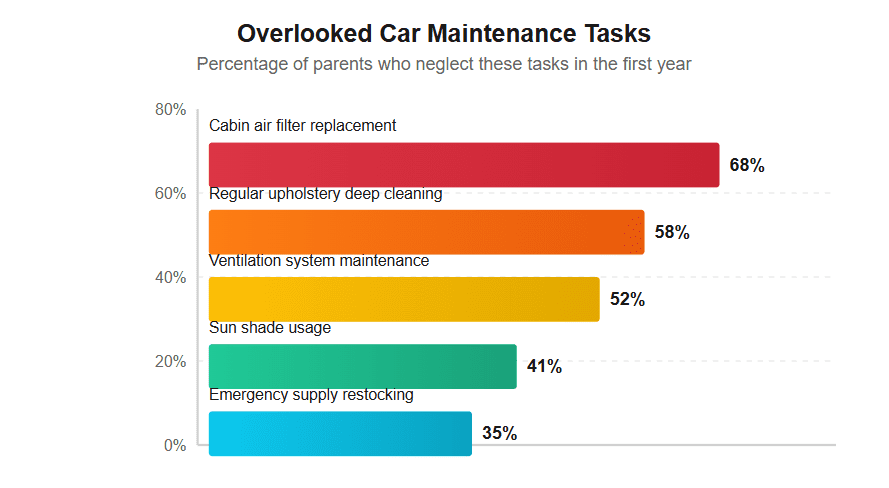
This visual breakdown reveals a concerning pattern among new parents: the tasks that matter most for infant health receive the least attention. While 68% of parents neglect cabin air filter replacement, this component directly impacts the air quality your baby breathes during every journey. The gradient from red to blue represents the severity of oversight, with warmer colors indicating more critical maintenance gaps. Upholstery cleaning ranks second at 58%, yet dried milk and bodily fluids create bacterial breeding grounds when left untreated. Ventilation system maintenance sits at 52%, often ignored until musty odors become noticeable. The data highlights a clear disconnect between visible cleanliness and hidden health factors. Parents excel at daily surface wiping but overlook the mechanical systems that filter and circulate air. Understanding these common pitfalls helps you avoid the mistakes that compromise your newborn’s respiratory health and comfort during travel.
Your newborn spends considerable time in the car during those first months. These practical steps create a safer, cleaner environment that protects their health and give you confidence on every journey.
Sources of information: Royal Society for the Prevention of Accidents, AUTODOC
FAQ:
Q: Where is the safest position to install a newborn’s car seat?
A: The rear seat is the safest position for your newborn’s car seat, positioned as far from active airbags as possible. Airbags are designed for adults wearing seatbelts and can pose serious risks to infants if deployed in the front. The rearward position significantly reduces impact forces and minimises injury risk from airbag inflation. If your vehicle has Isofix or LATCH anchor points in the rear seats, use them for the most secure installation. Always follow both the car seat manufacturer’s instructions and your vehicle’s handbook to ensure proper fitting.
Q: How often should I replace my car’s cabin air filter when travelling with a newborn?
A: Replace your cabin air filter every six months when regularly transporting a newborn. This component filters dust, pollen, exhaust fumes and bacteria from air entering through the ventilation system. Newborns have developing immune systems and sensitive respiratory tracts, making clean air circulation particularly important. A clogged filter reduces air quality and can contribute to breathing difficulties. Check your vehicle’s handbook for the filter location, as replacement typically takes just five minutes. If you notice musty odours or reduced airflow from vents, replace the filter immediately regardless of the schedule.



Leave a Reply