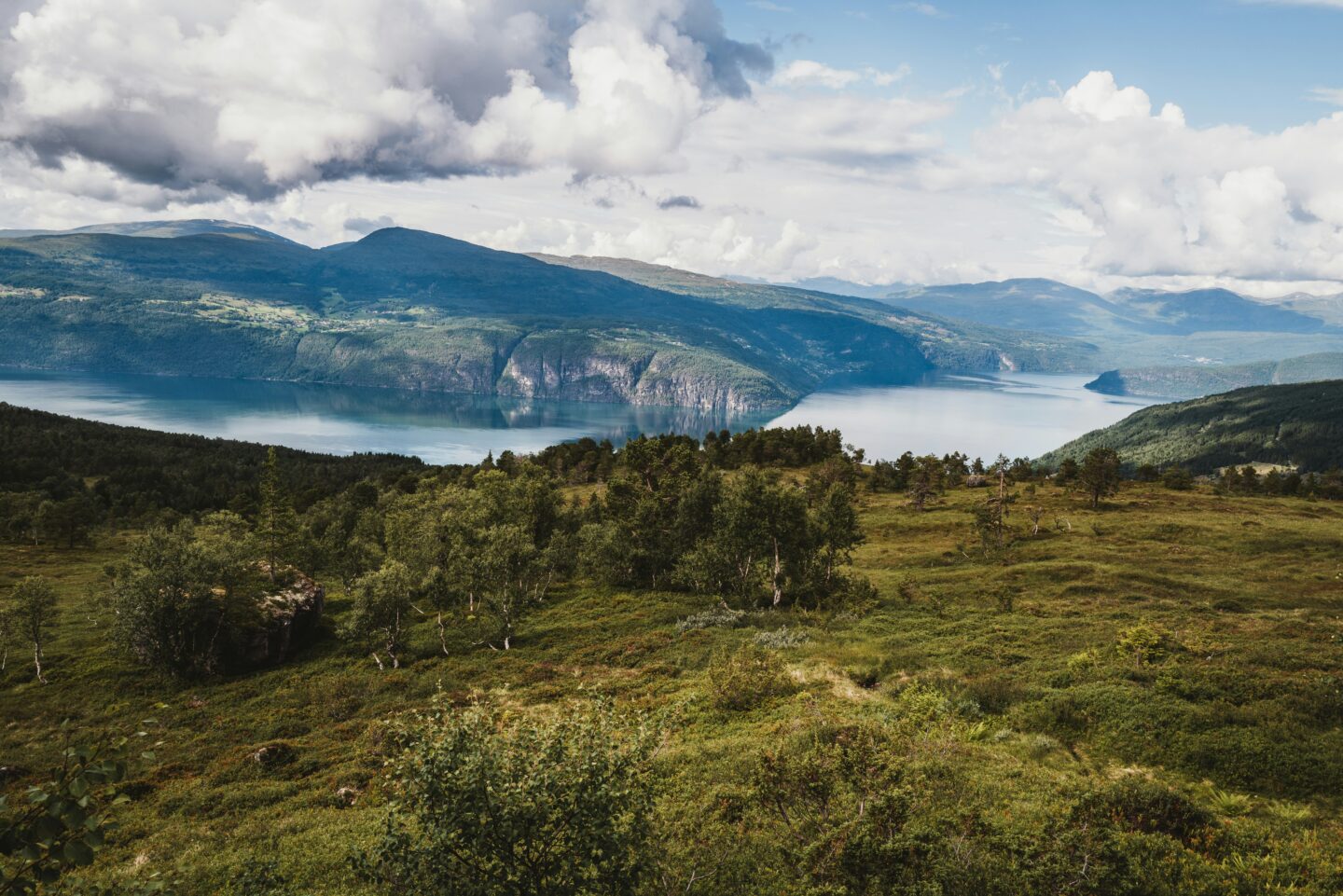
A Nordic fjord road trip in summer offers unmatched beauty, safety, and accessibility. With 18+ hours of daylight, mild temperatures averaging 18°C, and optimal road conditions, summer provides the perfect window for exploring Norway’s UNESCO World Heritage fjords safely and comfortably.
Summer in the Nordic fjords isn’t just spectacular—it’s the sweet spot where dramatic landscapes meet practical accessibility. While 5.65 million international visitors flocked to Norway in 2023, most savvy travellers know that tourism is seasonal in Norway, with more than half of the total tourists visiting between the months of May and August. But why exactly should you join them on the scenic routes during these precious summer months?
Why Summer Is The Golden Season for Nordic Fjord Road Trips
The Nordic summer transforms these majestic landscapes into an accessible wonderland. Norwegian summer lasts from early June to the end of August, with July being the season’s peak, offering you mild temperatures, thanks in part to the Gulf Stream. Unlike the treacherous winter conditions that can close mountain passes for months, summer provides long daylight hours, and travelling at this time of year means you can maximise on sightseeing and get more bang for your buck.
The dramatic difference is clear: while winter brings limited daylight, often just a few hours in the far north, summer bathes the fjords in nearly constant light, giving you endless opportunities to capture those Instagram-worthy shots and experience the magical midnight sun.
Essential Vehicle Preparation: Your Road Trip Foundation
Pre-Departure Vehicle Checklist
| System | Summer Requirements | Check Frequency |
| Brake System | Pads >3mm, fluid check | 2 weeks before departure |
| Tires | All-season or summer, proper pressure | Weekly during the trip |
| Engine Cooling | Radiator, coolant levels | Before each mountain pass |
| Air Conditioning | Full system check | 1 month before travel |
| Emergency Kit | Triangle, vest, first aid | Pack verification |
Brake System: Your Mountain Driving Lifeline
When driving mountain roads, your brakes become your most critical safety system. According to buycarparts.co.uk the brake pads should be inspected thoroughly before any major road trip, especially one involving mountainous terrain. AUTODOC experts recommend checking that brake pads have at least 3mm of material remaining before tackling Nordic mountain routes.
Mountain-Specific Brake Preparation:
- Inspect brake fluid levels and color (should be clear, not dark)
- Test brake responsiveness during a controlled stop
- Consider upgrading to high-performance pads if planning extensive mountain driving
- Ensure the brake cooling system is functioning properly
Tire Considerations for Nordic Conditions
While studded tyres are permitted from 1 November until the first Sunday after Easter Sunday in Norway, summer visitors need to consider different considerations. All-season tires with proper tread depth (minimum 1.6mm, recommended 3mm+) provide excellent grip on both dry mountain roads and occasional wet weather.
Nordic Summer Driving Conditions by Region
| Region | Average Temperature | Road Conditions | Special Considerations |
| Southern Norway | 20-25°C | Excellent, well-maintained | Heavy tourist traffic |
| Western Fjords | 15-20°C | Winding mountain passes | Variable weather, ferries |
| Northern Norway | 10-18°C | Remote sections, longer distances | Limited fuel stations |
| High Mountain Passes | 5-15°C | Possible snow patches even in summer | Carry warm clothing |
Air Conditioning: More Than Just Comfort
The air conditioner also cleans, dries the air and provides its circulation. Car air conditioners as opposed to domestic ones are powered by the engine and since the vehicle is in motion on a regular basis, they are exposed to the negative impact of external factors. Temperature changes and constant vibrations can lead to a failure of individual components of the car air conditioning system.
This is particularly relevant for Nordic road trips where you’ll experience significant temperature variations—from sea-level fjord towns to high mountain passes. A properly functioning AC system ensures consistent comfort and prevents window fogging in humid coastal areas.
Complete Packing Guide for Nordic Summer Adventures
Essential Categories:
Clothing & Personal Items:
- Layering system (base layer, insulating layer, waterproof outer layer)
- Warm hat and gloves (mountain passes can be surprisingly cold)
- Waterproof hiking boots and comfortable walking shoes
- Sunglasses and high-SPF sunscreen (reflection off water intensifies UV)
- Personal medications and basic first aid supplies
Navigation & Communication:
- Offline maps downloaded (cellular coverage can be spotty)
- Portable phone charger/power bank
- Traditional paper maps as backup
- Emergency contact information for local services
Vehicle Emergency Kit:
- High-visibility vest (mandatory in Norway)
- Warning triangle
- Jumper cables
- Basic tool kit
- Emergency food and water (2-day supply minimum)
- Warm blankets
- Headlamp with extra batteries
Mastering Nordic Mountain Road Techniques
Driving mountain roads requires specific techniques that differ significantly from everyday urban driving. Norway is renowned for its incredible heights and so you might drive over mountain passes during your travels. These routes often have very long and winding downhill stretches, which can cause the brakes to overheat.
Essential Mountain Driving Techniques:
- Descend in lower gears to reduce brake dependence
- Monitor the engine temperature gauge constantly
- Use gentle, progressive braking rather than sharp stops
- Maintain steady speeds through curves
- Keep the fuel tank above half-full in remote areas
Please also note that some of the higher mountain passes can still have snow or ice on the road in the shoulder seasons, particularly in April/early May and in late September–October, making summer the optimal window for safe navigation.
Route Planning: Maximizing Your Nordic Experience
Recommended Summer Itinerary Framework:
- Week 1: Southern Norway (Oslo to Stavanger via Preikestolen)
- Week 2: Western Fjords (Bergen, Geiranger, Ålesund)
- Week 3: Northern Adventure (Trondheim to Lofoten Islands)
The key is allowing flexibility in your schedule. The weather around the coastline and fjords is less settled, and rain is more common here. Conditions can also change quickly – on some days, it could feel like you’re experiencing 4 seasons in one day!
Why Choose Summer Over Other Seasons
The statistics speak volumes: In 2023, Norway welcomed a total of 5.65 million international visitors, with the vast majority choosing summer months. This isn’t just about following crowds—it’s about smart travel planning.
Summer offers:
- Accessibility: All major scenic routes open and maintained
- Safety: Optimal driving conditions with minimal weather-related risks
- Value: Maximum daylight hours for sightseeing
- Comfort: Pleasant temperatures for outdoor activities and camping
- Infrastructure: Full availability of tourist services and accommodations
Your Nordic Adventure Awaits
A summer road trip through the Nordic fjords combines breathtaking natural beauty with practical advantages that make it the perfect time to explore. From the midnight sun casting golden light on dramatic cliff faces to the freedom of driving well-maintained mountain roads in optimal conditions, summer provides the ideal canvas for your Nordic adventure.
Whether you’re seeking dramatic Instagram shots, peaceful moments in nature, or the thrill of navigating some of Europe’s most spectacular scenic routes, the Nordic fjords in summer deliver an experience that transforms ordinary holidays into extraordinary memories. Start planning now—your Norwegian summer adventure is calling.



Leave a Reply