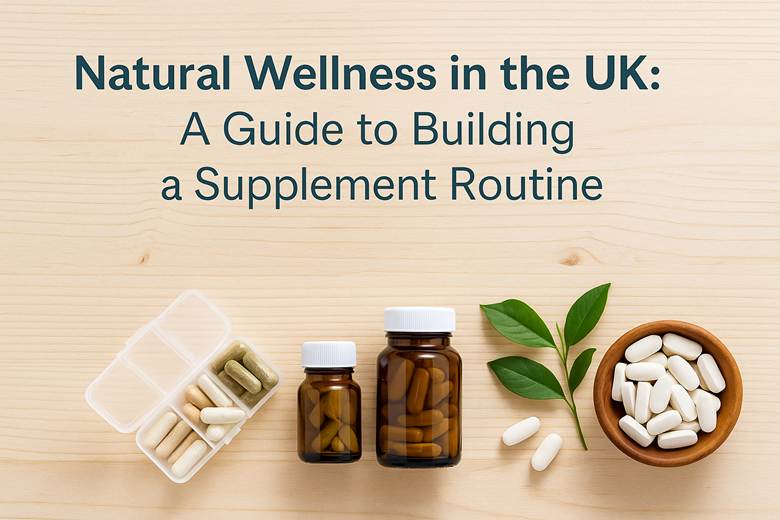
Across the UK, a quiet wellness revolution is taking place. More individuals are prioritising their physical and mental wellbeing—not through drastic overhauls or synthetic solutions, but through steady, sustainable habits. One of the cornerstones of this shift is the growing interest in natural supplements as part of a daily routine.
But with so many products on the market, how do you build a supplement routine that truly supports your health? Whether you’re new to the world of natural wellness or looking to fine-tune your regimen, this guide offers a research-backed framework to get you started—without overwhelm.
Why Go Natural?
Natural supplements are typically derived from whole plants, herbs, and minerals rather than synthetic compounds. This aligns with the rising demand for transparency, sustainability, and gentle-yet-effective wellness tools that support the body without harsh side effects.
Research suggests that many plant-based compounds can offer real benefits. For example, adaptogens—a group of herbs that help the body adapt to stress—have been shown to support mood, energy, and hormonal balance. According to a systematic review published in Pharmaceuticals, adaptogens like Rhodiola and ashwagandha have demonstrated measurable stress-reducing properties.
Start With Your Health Goals
Before choosing any supplements, ask yourself: What am I hoping to support?
Common wellness goals include:
• Reducing stress and anxiety
• Boosting energy and performance
• Improving sleep
• Supporting hormonal balance
• Enhancing focus and cognitive clarity
• Managing mood and emotional health
Identifying your goals will help you choose products that are targeted rather than generic.
Building a Simple, Effective Routine
Here’s a sample structure for a natural supplement routine, customisable based on your needs:
- Morning: Energy and Focus
To start the day with clarity and energy, some individuals explore Mucuna supplements. Mucuna pruriens is a natural source of L-DOPA, a precursor to dopamine—the “feel-good” neurotransmitter linked to motivation and mood. Studies, such as this one in the Journal of Neurology Research (source),, suggest that L-DOPA from Mucuna may support mental performance and stress resilience.
Try: Mucuna for mood support and mental sharpness. - Midday: Performance and Hormonal Health
Many men in the UK are turning to natural testosterone-supporting supplements to maintain vitality, especially those navigating stressful lifestyles or fitness goals. One such herb is Fadogia Agrestis, a shrub native to West Africa. Though research is still emerging, early animal studies indicate it may influence testosterone levels and athletic performance.
Try: Fadogia Agrestis to potentially support energy, performance, and hormonal balance. - Evening: Calm and Recovery
Winding down is just as crucial as powering up. Consider magnesium, reishi mushroom, or ashwagandha—adaptogens and minerals shown to support stress relief and sleep. A 2021 meta-analysis in the Nutrients journal (link) highlighted the benefits of magnesium on sleep quality, especially for people with anxiety and insomnia.
Tips for a Smarter Supplement Routine
• Always read the label and choose UK-compliant brands that list exact ingredients and dosages.
• Start small – introduce one supplement at a time so you can monitor how your body responds.
• Stay consistent – natural supplements aren’t instant fixes. They typically work best when used regularly over weeks or months.
• Pair with lifestyle – Supplements work best alongside a balanced diet, quality sleep, and daily movement.
Check with Your GP First
While natural supplements are widely used and generally well-tolerated, they’re not one-size-fits-all. Always consult your GP or a registered nutritionist before introducing new products, especially if you’re pregnant, on medication, or managing a health condition.
The NHS provides useful information on essential nutrients and how supplementation may fit into a broader wellness plans
Final Thoughts
Natural wellness isn’t about trends or miracle pills—it’s about finding supportive, grounded ways to feel your best. In the UK, the move toward natural supplements reflects a bigger cultural shift: one that values sustainability, science-backed choices, and long-term health.



Leave a Reply