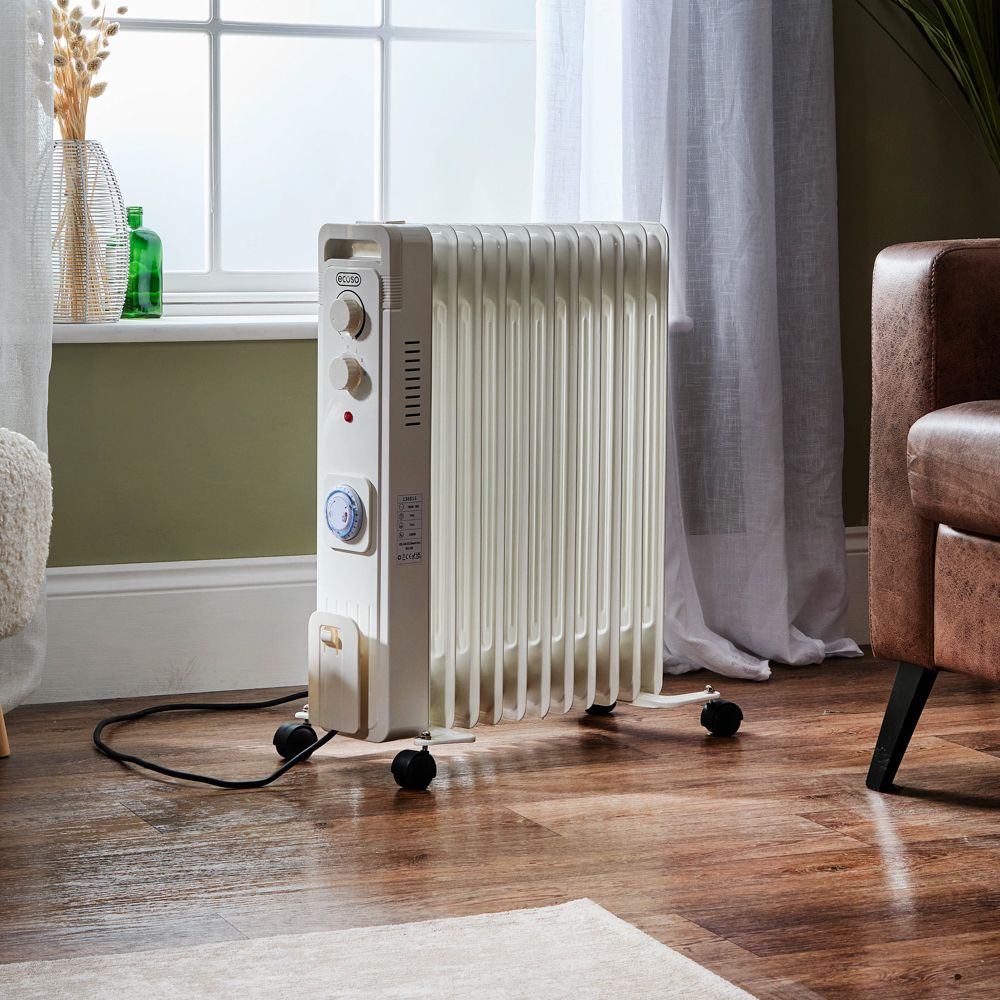
As colder months approach, finding an efficient heating solution becomes paramount for maintaining a comfortable living environment. Among the various options available, an oil filled radiator is a popular choice due to its efficiency and ease of use. Before purchasing one, it’s crucial to understand how these devices work, their advantages and potential drawbacks, as well as considerations you should take into account to make an informed decision.
Understanding How Oil Filled Radiators Work
An oil filled radiator is a type of electric heater that uses oil as a heat reservoir. It consists of a sealed container filled with oil and heated by electricity. Unlike other heaters, the oil is not consumed but is used to transfer heat to the metal surface of the radiator, which then disperses warmth into the room through convection and infrared radiation. This method of heating ensures that the unit remains warm for an extended period even after being switched off.
Advantages of Oil Filled Radiators
One of the key benefits of oil filled radiators is their efficiency. They are designed to provide a consistent level of heat over long periods without requiring constant electricity consumption. This makes them both economical and environmentally friendly. Additionally, these radiators operate silently, making them ideal for use in bedrooms and offices where noise can be disruptive.
Another advantage is their safety. Since the surface of an oil filled radiator does not become excessively hot, they present a lower risk of accidental burns compared to other types of electric heaters. Furthermore, modern designs often include safety features such as tip-over switches and overheat protection, adding an extra layer of safety.
Potential Drawbacks
Despite their advantages, oil filled radiators may not be suitable for everyone. One potential drawback is the length of time it takes for them to heat a room. While they do maintain heat effectively, they can take longer to reach the desired temperature compared to other heating devices. This could be an inconvenience if you require rapid heating.
Additionally, oil filled radiators are typically heavier and less portable than other electric heaters. Although they are often equipped with wheels for easier movement, their weight and size might be cumbersome if you need to constantly relocate the unit.
Key Considerations Before Purchase
Before deciding on an oil filled radiator, consider the size of the space you wish to heat. Make sure to choose a model with an appropriate wattage for the area. Larger spaces will generally require a higher wattage to adequately warm the room.
Also, consider any available features that may enhance usability and safety. Thermostats, timers, and remote controls can add convenience and help maintain energy efficiency. Ensure the radiator has adequate safety features, especially if it will be used in a household with children or pets.
Conclusion
Oil filled radiators offer an efficient and safe method of heating your home during the colder months. Their ability to hold and radiate heat efficiently makes them a practical choice for maintaining a warm environment. When selecting an oil filled radiator, weigh the benefits against any potential drawbacks and consider your specific heating needs. By understanding these factors, you can make a well-informed decision that will keep your space comfortable throughout the season.



Leave a Reply