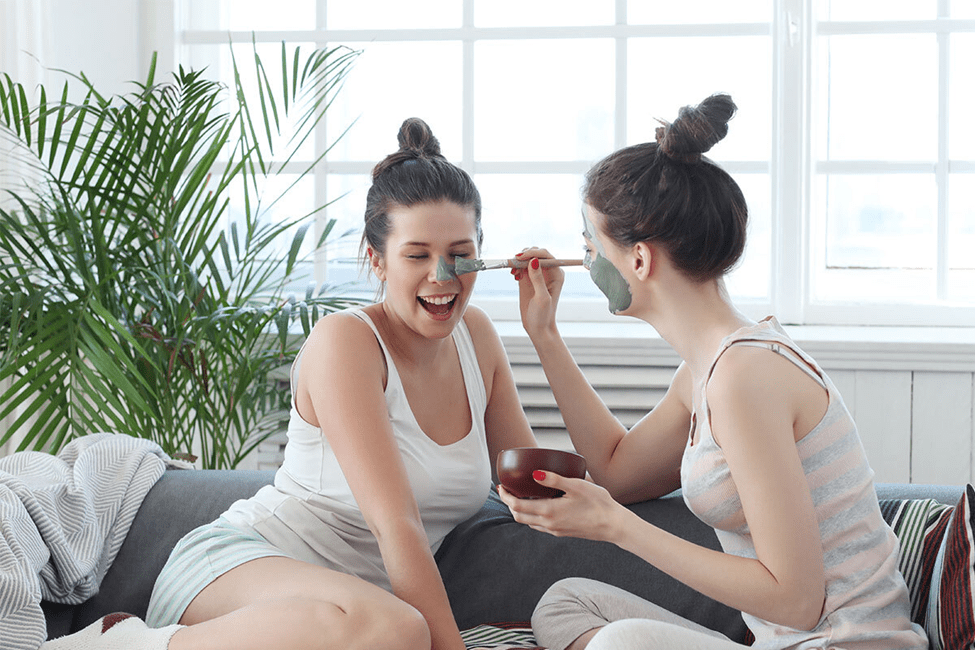
Beauty and wellness have long been intertwined, reflecting an intricate balance between self-care, emotional well-being, and physical health. Beyond surface-level aesthetics, beauty rituals offer a deeper sense of identity, relaxation, and even health benefits. From skincare routines that promote mindfulness to the impact of stress on our complexion, the fusion of beauty and wellness extends far beyond what meets the eye.
In recent years, vaporizers have gained popularity in wellness circles, particularly for aromatherapy and holistic relaxation. Many individuals incorporate vaporizer use into their beauty and self-care routines, using them to diffuse essential oils that enhance relaxation and skin health. For instance, diffusing lavender or eucalyptus oil can create a spa-like atmosphere, promoting stress relief and overall well-being. To find the best vaporizer that suits your needs and comforsts, all you have to do is check the best vaporizer reviews and find your perfect fit. As consumers seek non-invasive wellness solutions, vaporizer technology continues to merge with beauty rituals, offering a multi-sensory approach to self-care.
The Role of Beauty Rituals in Daily Life
From our first bath as infants to the beauty rituals we adopt throughout life, self-care practices are deeply embedded in our daily routines. Simple gestures like moisturizing, applying makeup, or massaging the skin help us reconnect with ourselves. According to a 2022 study by Human8 for L’Oréal, 88% of women and 80% of men believe beauty rituals enhance self-confidence, while 85% of women and 78% of men feel skincare helps them appreciate themselves more.
Beyond aesthetics, these practices provide a moment of tranquility amid the chaos of modern life. In a world where time is often a luxury, beauty rituals create a pause—a moment to focus on personal well-being and restore balance.
Beauty and Emotional Well-being
The link of beauty to mental health is an undeniable fact. Harvard Medical School studies have come out to suggest that makeup positively affects self-esteem and even perceptions in social events. Hairdressers and cosmetologists offer therapeutic services within the lives of people. According to statistics in France, the number of hair salons per capita is almost double that of bakeries-a reflection of beauty care’s emotive and social significance.
Social media has also become a hub where beauty tutorials shot up during the pandemic, almost as a respite from all the stress and emotional escape from reality. Beauty routines, then, serve to buffer anxiety and stress, as individuals are then better equipped to face life head-on with increased confidence.
The Science Behind Beauty and Stress Reduction
Stress is one of the biggest disruptors of both internal wellness and external beauty. When under stress, the body releases cortisol, which can lead to acne, premature aging, and other skin conditions. This connection underscores the importance of mindfulness in beauty routines.
Skincare rituals, for instance, go beyond nourishing the skin—they cultivate mindfulness and presence. The simple act of massaging the face or inhaling the scent of essential oils activates the parasympathetic nervous system, reducing stress and promoting relaxation.
Moreover, according to a 2022 study, 70% of women and 75% of men report that skincare and beauty products help them feel more relaxed. These findings reinforce the idea that self-care extends beyond appearance; it nurtures the mind and body alike.
The Beauty-Health Connection
Beauty does not reside beneath the skin only; rather, it’s intertwined with general well-being. As defined by the World Health Organization, health encompasses a “state of complete physical, mental, and social well-being.” That’s what beauty contributes significantly to.
For example, the frequency of skin disorders such as acne, eczema, and psoriasis brings out the fact that proper care of the skin is a healthy practice. Statistics indicate that 98% of patients with dermatological diseases say they suffer emotional distress, most of whom report anxiety and depression related to the disease. Therefore, there is a need for skincare solutions that are both aesthetically acceptable and health promoting.
One good example is that of sunscreen and how it finds its point at the crossing over of health into beauty. Melanoma studies have indicated a 73% reduction with everyday sunscreen application. Sunscreen protects against melanomas, slowing aging, as this prevents hyperpigmentation and those fine lines attributed to UV light exposure.
Natural Ingredients Play a Role in Beauty and Wellness
Embracing natural beauty products brings in what is popularly termed as wellness, enabling a healthy and holistic approach to self-care. The ingredients in such products-antioxidants, essential oils, and plant-based extracts-benefit not only the skin but contribute overall well-being.
For example, green tea and vitamin C balance free radicals, delaying the onset of prematuration aging, whereas lavender and chamomile essential oils are perfect relaxants. Products like BioSkin Youth Complex harness the power of such natural ingredients to support skin health and overall vitality. Therefore, treatments using these natural elements can actually work both for beauty and health.
It even extends towards sustainability, bringing the best benefits to personal well-being and environmentally friendly consciousness through clean beauty. More and more, consumers pay attention to ingredients used in cosmetic products, moving forward to all things natural and environmental-friendly.
The Evolving Landscape of Beauty and Wellness
With time, developments in beauty are increasingly being shaped by the influence of wellness concepts. Nutricosmetics—beauty supplements that give skin, hair, and nails improvements from the inside—is one such evolution. Not to be outdone, beauty companies are embracing digital technology, like AI-based skincare analysis, which delivers personalized wellness solutions.
Furthermore, the new consumer looks beyond aesthetic enhancements to holistic health products. This demand propels innovation in holistic beauty solutions by blurring the lines of derma, nutrition, and mindfulness into one seamlessness.
Conclusion: Embracing Beauty as a Wellness Practice
Beauty and wellness cannot come together; rather they complement each other as integral parts of holistic self-care. Whether mindful skincare routines, rituals that involve the more ‘trivial’ beautifications yet have a reduction effect on anxiety built in, or naturally acquired ingredients, the relationship between beauty and wellness turns apparent.
It is only by understanding this connection that one can learn practices that enhance not only the apparent beauty but mental and physical well-being. The growth in the beauty industry will be along with wellness principles at the heart of self-care, empowering people to look and feel their best both inside and outside.



Leave a Reply