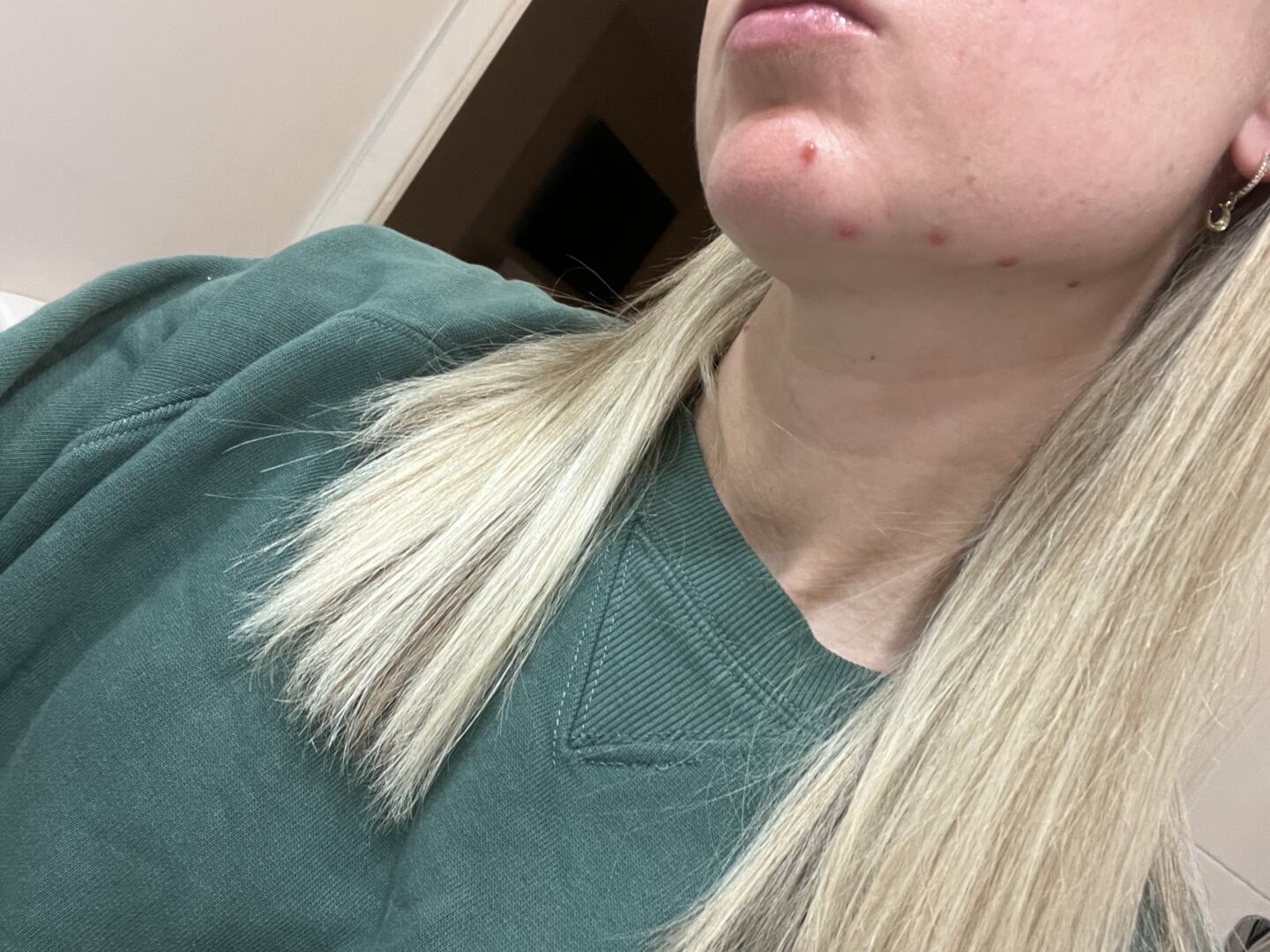
Hormonal acne affects most of us at some point in our lives. It is mainly caused by changes in the body caused by hormones. Hormonal acne can hit us in the face during puberty, menstrual cycles, pregnancy, or even menopause. Yikesss! Imagine deep, painful pimples or cysts. It generally appears around the jawline, chin, and lower face.
Managing hormonal acne is not always easy. It requires a combination of skincare, lifestyle changes, and sometimes, professional help. Using a hormonal acne supplement can support internal balance. Other treatments work alongside to clear the skin and prevent future breakouts.
What Causes Hormonal Acne?
Hormonal acne happens when hormones, like androgens, cause oil glands to produce too much sebum. This oil clogs pores and leads to inflammation. Hormonal changes increase these issues, especially during certain times, like before a menstrual period.
Stress also worsens hormonal acne. When stressed, the body produces cortisol, which can lead to more oil production. Diet plays a role as well. Foods with high sugar or dairy content can trigger breakouts in some people.
How to Identify Hormonal Acne
Hormonal acne can be identified by its patterns. Here are some signs:
- Location: It is often seen on the lower face, chin, and jawline.
- Timing: Breakouts may occur before or during a menstrual cycle.
- Deep Pimples: Cysts or nodules that feel painful are common.
- Resistance to Skincare: Regular acne products may not work.
If these signs are noticed, it is likely hormonal acne.
Why Skincare Alone May Not Be Enough
Skincare is helpful, but hormonal acne starts inside the body. Topical treatments address surface issues but don’t solve the root cause. Hormonal fluctuations require internal balance.
Using a hormonal acne supplement can support the body’s hormonal system. These supplements help reduce triggers and improve skin health.
Hormonal Acne Supplements: How They Help
Supplements are designed to support internal health. For hormonal acne, they address imbalances that cause breakouts. Key ingredients often include:
- Zinc: Helps reduce inflammation and supports healing.
- Vitamin A: Regulates oil production and promotes skin health.
- DIM (Diindolylmethane): Balances estrogen levels and supports detoxification.
- Omega-3 Fatty Acids: Reduces inflammation and improves skin texture.
These supplements work best when used consistently. Results may take a few weeks to show.
Other Hormonal Acne Treatments
While supplements are helpful, other treatments are often needed. A multi-faceted approach gives better results.
1. Topical Treatments
Retinoids are commonly prescribed. They unclog pores and promote cell turnover. Salicylic acid and benzoyl peroxide also help by reducing bacteria and inflammation.
2. Prescription Medications
Birth control pills are sometimes used to regulate hormones. Spironolactone is another option. It reduces androgen levels and controls oil production. These should be used under medical supervision.
3. Lifestyle Changes
Diet plays a big role in hormonal acne. Reducing sugar and dairy can help. Stress management is also important. Practices like meditation or regular exercise can lower stress levels and improve skin health.
4. Professional Treatments
Dermatologists can provide treatments like chemical peels or laser therapy. These options are effective for stubborn or severe acne.
Common Mistakes in Hormonal Acne Treatment
Some mistakes can make hormonal acne worse. Avoid these:
- Overusing Products: Too many skincare products can irritate the skin.
- Skipping Sunscreen: Sun exposure can worsen acne scars.
- Ignoring Hydration: Dehydrated skin produces more oil to compensate.
- Not Being Consistent: Treatments take time. Stopping too soon won’t show results.
Being patient and consistent is important for improvement.
FAQs About Hormonal Acne
1. Can hormonal acne be cured?
Hormonal acne can be managed but may not be completely cured. Consistent care and treatments help reduce breakouts.
2. Are hormonal acne supplements safe?
Most supplements are safe when used as directed. It is best to consult a doctor before starting any new supplement.
3. How long does it take for treatments to work?
Results can take weeks or months. Patience and regular use of treatments are necessary.
4. Is hormonal acne only seen in women?
No, men can also experience hormonal acne. Androgen levels can trigger breakouts in both genders.
5. Can diet changes help with hormonal acne?
Yes, reducing sugar and dairy can improve skin. Eating more whole foods and staying hydrated is recommended.
Combining Treatments for Better Results
Using a hormonal acne supplement alongside other treatments gives the best outcomes. Supplements work internally while topical products address surface issues. This combination targets acne from multiple angles.
For example, supplements like zinc and DIM balance hormones. At the same time, retinoids keep pores clear. Together, they help reduce breakouts and improve skin texture.
Emotional Impact of Hormonal Acne
Hormonal acne doesn’t just affect the skin. It also impacts confidence and emotional well-being. Many people feel self-conscious during flare-ups. Social events and daily activities may feel stressful.
It is important to remember that help is available. Hormonal acne is treatable. Seeking professional advice can make a big difference.
Tips for Managing Hormonal Acne
- Stick to a Routine: Consistency is key. Follow your treatment plan every day.
- Avoid Picking: Touching or popping pimples can lead to scarring.
- Use Non-Comedogenic Products: These products won’t clog pores.
- Stay Hydrated: Drink plenty of water to support skin health.
- Get Professional Help: If over-the-counter options don’t work, consult a dermatologist.
Conclusion
Hormonal acne can feel overwhelming, but it is manageable. A combination of supplements, skincare, and lifestyle changes offers the best results. A hormonal acne supplement can support internal balance. Other treatments help clear and maintain healthy skin.
Patience is important. Treatments take time, but consistent care leads to improvement. Professional advice is helpful for severe cases.
Remember, hormonal acne does not define you. With the right approach, clear skin is possible. Keep trying, and don’t lose hope.



Leave a Reply