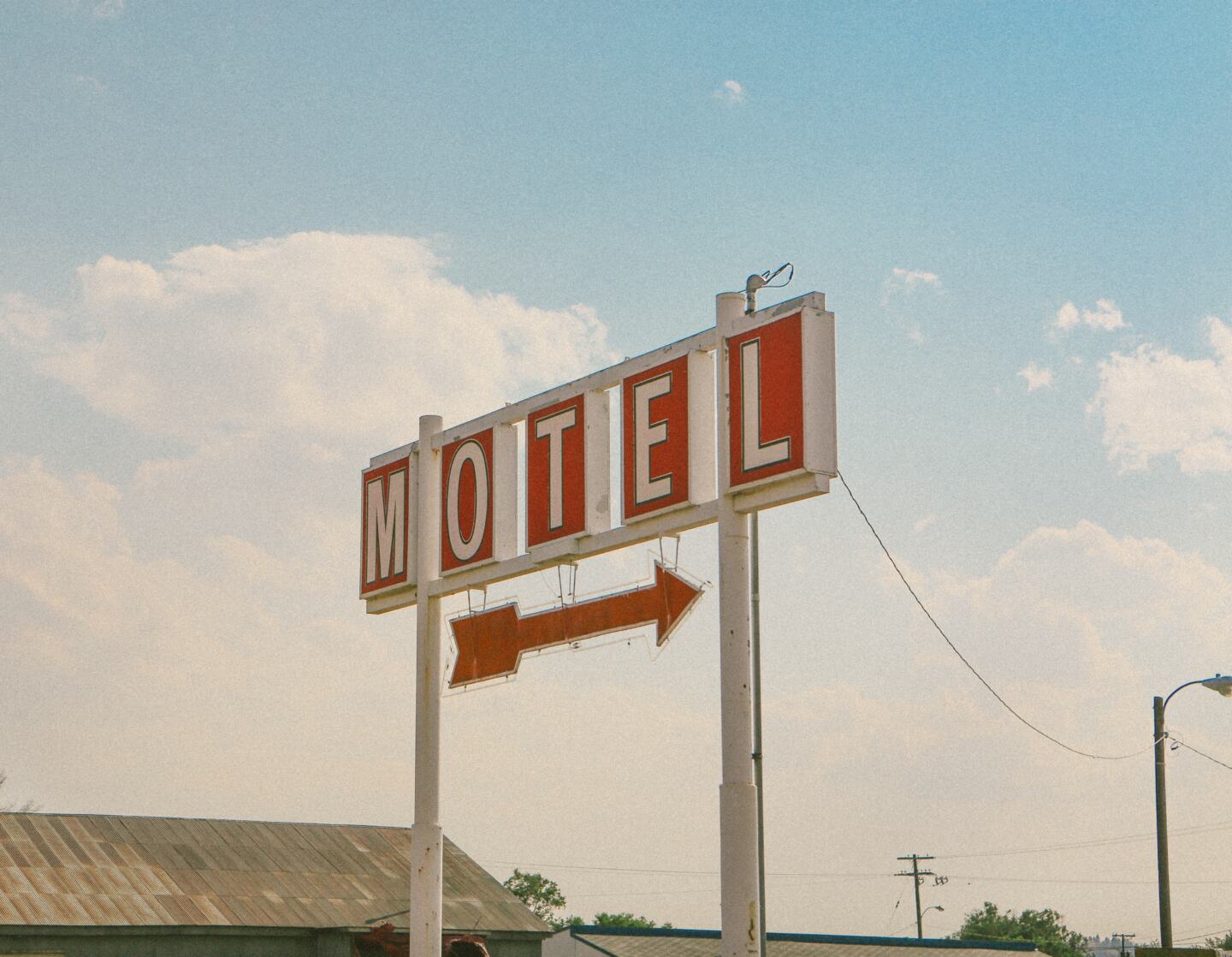
You might not realize it, but motels play an essential role in much of the media we consume.
How often is a motel the backdrop in a television show, movie, or book? When we think of the antics of young adults or more mature individuals who are confused and grappling with the complications of the rest of their lives?
The motel is there, a backdrop. It serves as a symbolic representation of transitory periods in our lives. In some ways, it’s a witness to these times.
Let’s take a closer look at how motels are utilized to discuss the human experience.
The Meaning of the Word Motel
It helps first to understand the meaning of the word motel. The name is a portmanteau, in this case, blending the words ‘motor’ and ‘hotel.’ A motel is where travelers can stop, park their cars and find lodging for the night.
The very nature of this means that the motel will turn up symbolically as a place where the main characters stop, get their bearings, and then move on again. The exact circumstances will change from story to story, but you get the drift.
An example of this in popular culture might be in the American television show “Supernatural.” Two brothers, often on the road together, frequently find lodging in campy motels across the rural United States.
They serve as a convenient backdrop for disagreements, heart to hearts, and the resolution of numerous conflicts before moving on again.
Motels as a Transformative Place
A motel is often viewed as a stop along the road, a place we aren’t meant to stay. It’s certainly not meant to be a place where we build lasting relationships, which is depicted in books and films.
Instead, they’re places where a character undergoes a transformative process. While it’s not a motel, the hotel written about in Hotel du Lac discusses the emotional journey of a young woman confronted with the realities of the world.
Motels as a Stop in the Journey
Indeed, motels are a stop in the journey. Motels are a backdrop for recording our experiences against, or for authors and filmmakers to record their characters and their development.
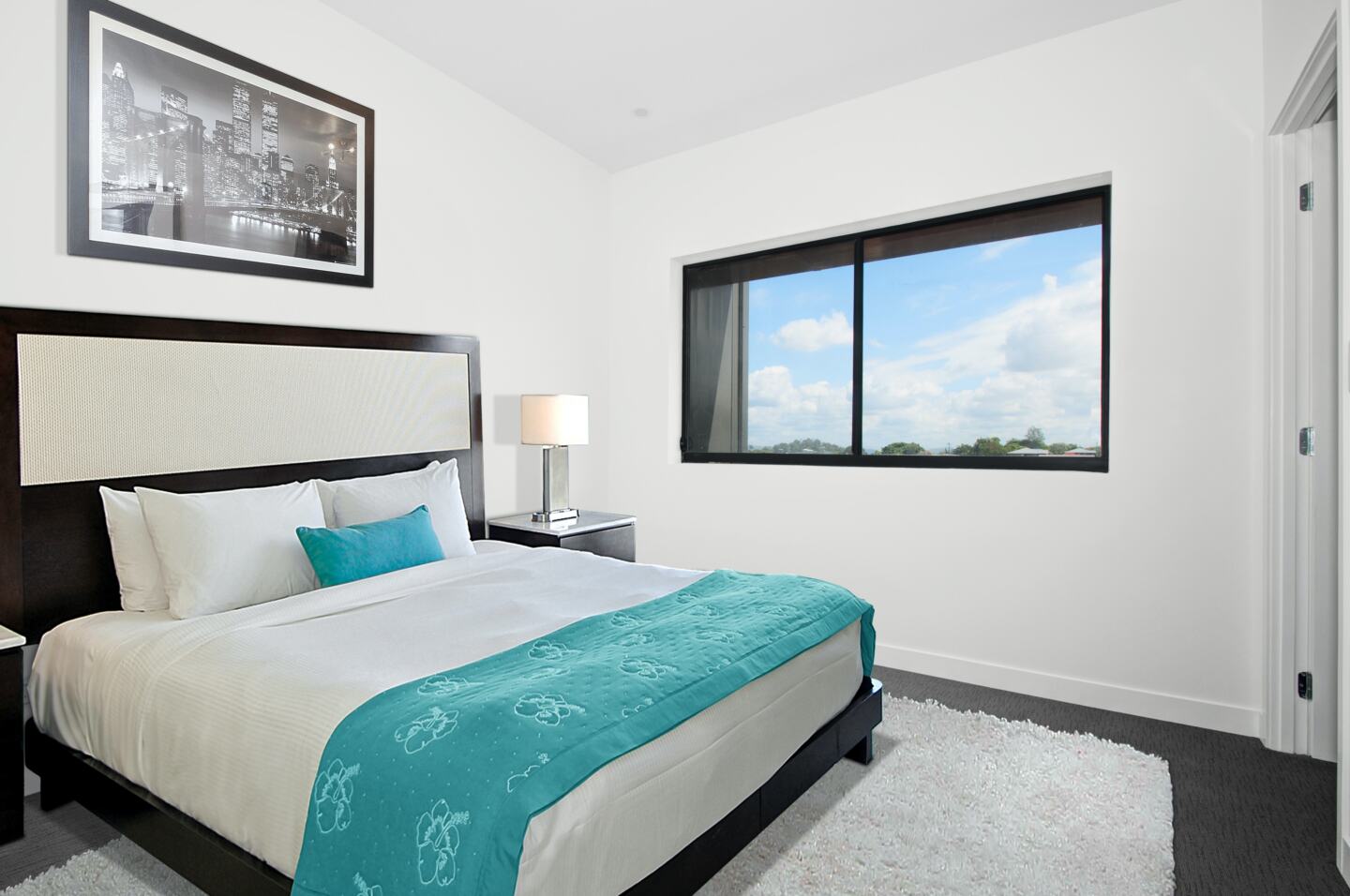
This interpretation of motels in culture can be attributed to how motels came to be. In the 1930s and 1940s, they sprang up all over rural America before later being nearly wiped out by the Interstate Highway System.
They became lonely quiet places along the road, a spot for someone to stop and rest. But only to stay for a short time.
Famous Motels in Culture and Media
Unsurprisingly, this backdrop has made them popular in books and films relating to such transformative journeys. It has also made motels popular in such settings as horror and mystery, where unsuspecting protagonists stop for the night only to meet something terrifying and grisly.
Perhaps no motel is more famous than the Bates Motel in Psycho. In the original film, analysts theorized that Alfred Hitchcock was making a commentary on the restrictive nature of society, both for Marion and Norman.
Going forward in more recent history, the Bates Motel was revived for a long-running television show of the same name. In that scenario, the show touched on themes of mental health, with the dreary motel as a backdrop for many storylines.
Motels to Visit
You’re in luck if you’re planning a road trip across the country. Despite motels falling out of favor in the 1950s, aspiring preservationists have attempted to revive this staple of culture. There are now more of them thriving alongside the highways than in previous years.
You can easily search for cheap motels in Motelmatcher.com, creating your journey of transformation and discovery. The charm of these motels is that you can plot stops across many miles, making it possible to coordinate one incredibly epic road trip.
A few fun motels you might want to visit along the way include:
Pioneertown Motel
Pioneertown Motel is located in the high desert of California and offers a peek back into the rustic life of the Old West. The motel provides grand views of the mountains, the dreamy desert landscape, and an abundance of wildlife to observe. It’s precisely the place you would be okay with getting lost for a while.
Big Texan Motel
The Big Texan Motel has a campy feel, leaning hard into themes of the American West by trying to recreate a pioneer town with its two floors. But it’s exactly that kind of exuberance that gives it some charm. Most importantly, the motel is open 24/7 and can be available whenever you need it.
The Blue Swallow Motel
If you want to stop in a historic motel, the Blue Swallow Motel is the place to go. This motel has been open since 1939, indicating that it was in operation during the height of the motel craze when American families drove all up and down the country. Other motels you might visit are corporate-owned, but the Blue Swallow Motel is owned and operated by a family.
Sunset Motel
Hearkening to another time, the Sunset Motel urges you to visit and join them in their rediscovery of a more retro appeal. With neon signs and furniture that feel more 1950s than the current century, you can lose track of time and feel like you’re in On the Road rather than reading it.
Before You Go
Motels hold a special place in the heart of American culture, calling back to a simpler time. But they also exist as symbols for our lives when we may need to face change, turn in a different direction, or say goodbye to the comfortable things.
The next time you read a book or watch a film and witness a motel come up, try and ask yourself why it’s been incorporated. Is there a more profound symbolism?
Of course, the motel may just be a stop along the road. Sometimes a motel is just a motel! But we hope that if you ever take a long trip, you find some interesting places to stop and make memories.



Leave a Reply