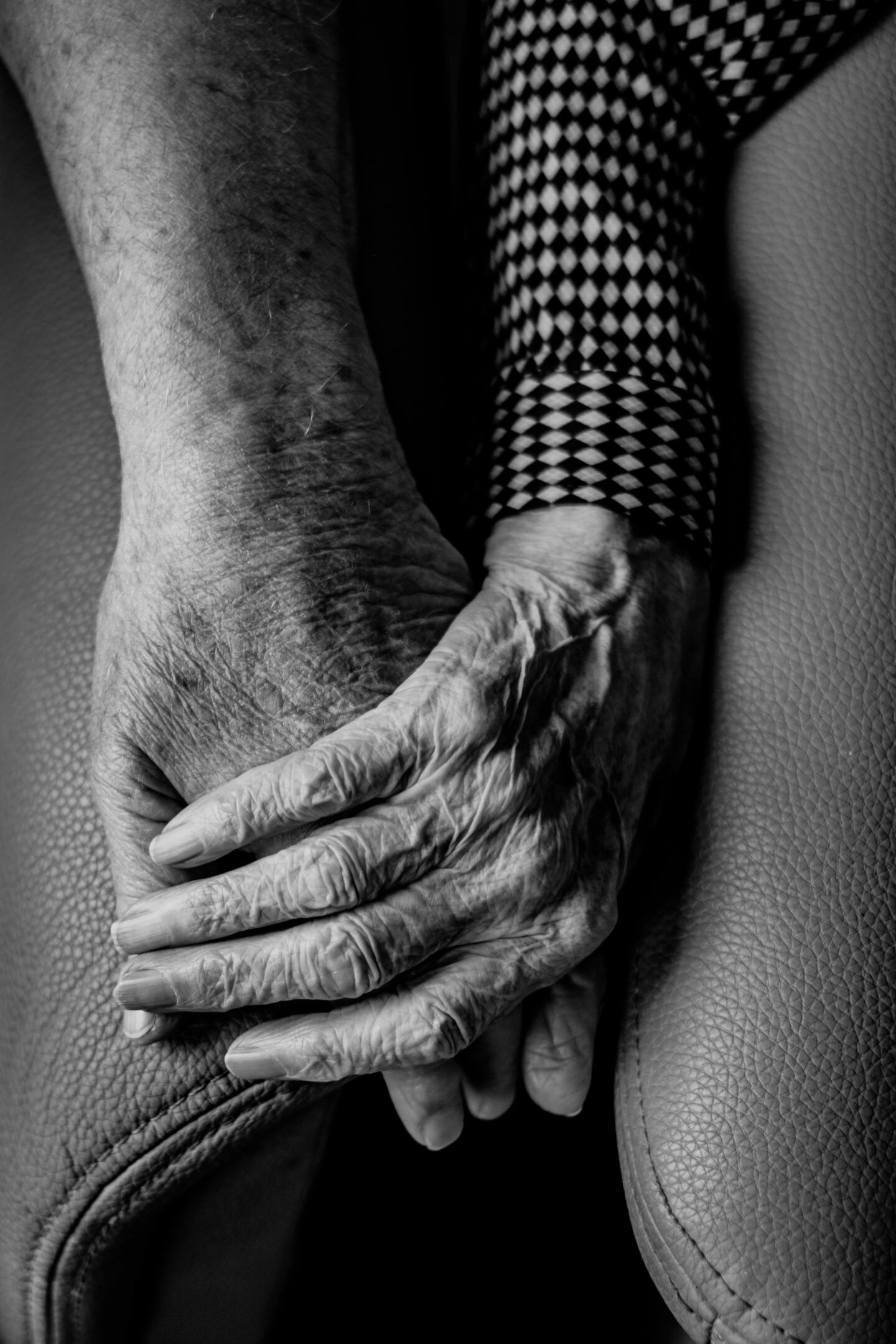
Pressure ulcers are areas of the skin and sometimes the underlying tissues which have become injured due to prolonged pressure. They are formed due to a decrease in blood supply. This can result in a lack of oxygen and nutrients in the skin. Also known as bedsores or pressure sores, pressure ulcers often develop in bony parts of the body such as the hips, tailbone, ankles, or elbows.
Although they can happen to anyone, they tend to affect people who have difficulty moving due to medical conditions. Below are several important steps which can be taken to prevent the appearance of pressure ulcers early on.
Repositioning
Changing positions regularly is essential to reducing the pressure on certain areas of the body. It is advisable to shift a care home resident’s weight about once an hour. If they have enough upper body strength, you may encourage them to raise their body off the chair a few times a day. You may also support them in standing up and taking frequent walks if they are able to. Also, residents with limited mobility are more likely to move less when lying in bed. It is important to implement a turning schedule at night. This can range between every two to six hours depending on the person’s needs.
Inspecting For Symptoms
As pressure ulcers can developed within a few hours, it is recommended to check residents’ skin frequently. Their inability to move and acknowledge the pain may not allow them to determine the signs and adjust their position. Therefore, it is necessary that you perform regular checks and recognise the early symptoms of a pressure ulcer. These can include discoloured parts of the skin such as red patches in people with paler skin, and blue and purple patches found in darker skin. Another point to remember is examining whether a discoloured patch turns white when pressed. Read about the React to Red Campaign for further support and guidance on what to do in this situation.
Maintaining A Healthy Diet
Residents should strive to follow a healthy and balanced diet. Following a poor eating regime may weaken the body’s ability to fight infections. In order to support residents with their diet, ensure you read up on proper nutrition tips and how to implement them into the diet of the care home residents. Moreover, maintaining sufficient hydration levels can help the skin stay healthy and resistant to the formation of pressure ulcers. However, be sure to consult with a health care provider regarding water intake as the recommended amount may vary depending on each person’s bladder management routine. If any doubts or questions arise, it is advisable to request that a doctor performs a blood check.
Using Speciality Bedding
According to the needs of each resident, speciality bedding may be necessary to reduce the amount of pressure placed on sensitive parts of the body. For instance, pressure mattresses or air flow mattresses aim to help people with a higher risk of developing pressure ulcers. These mattresses work to reduce the amount of pressure which is applied to the body using carefully designed air pockets. Because of this, they ensure an exceptionally comfortable surface to sleep on by always supporting the head and body. NHC Group offers a distinguishable range of pressure mattress that can be used to ensure the safety and comfort of care home residents. Understanding how they can help residents in care homes and implementing them will go a long way in ensuring their care.
Exercising Regularly
Incorporating a variety of movement is key in improving residents’ health. Regular exercise is known to promote circulation which in turn can prevent the development of pressure ulcers. You may want to integrate chair-based exercises in order to help residents stay flexible. For example, palm stretches are simple yet effective at increasing blood flow. Another technique which can be helpful includes rotating and flexing ankles. This can be done whilst lying in bed or sitting in a chair. Remember to hold the resident’s ankles if needed. Also, arm and leg lifts can have a great effect on strength and dexterity.
Drying And Cleaning The Skin
Incontinence is often linked to the development of pressure ulcers. When the skin is exposed to urine, stool, or moisture, this can lead to skin degradation. Therefore, it is crucial for a cleansing regime to be implemented on a regular basis. Harsh soaps and powders should be avoided. Instead, ensure that only mild soap and warm water are used when washing the skin followed by a thorough pat drying. Excessive heat can have an impact on the development of pressure ulcers. Because of this, bedding and clothing should be changed frequently if needed. Be sure to check for any wrinkles in the bedding which could irritate the skin.
Managing Chronic Health Conditions
It is important to monitor any chronic health conditions residents may have as they can also play a role in forming pressure ulcers. For example, any conditions which affect the cardiovascular system can have a significant impact on circulation. In order to lower the risk of pressure ulcers, it is vital to continue managing these conditions. This can include controlling the influence medical interactions can have on health or ensuring residents with kidney disease follow any dietary requirements. It is an important factor which needs to be considered in addition to all other strategies. Remember to arrange regular health checks for residents and provide help according to their individual needs.
Performing A Sitting Evaluation
Ensure that residents receive a proper sitting evaluation every two years or less if their health condition changes. It is necessary to check that wheelchairs being used are appropriate, taking into consideration the seating tolerance, level of mobility and activity of each person. A proper cushion should be chosen following a pressure mapping performed by a seating professional. Positioning and transferring will also be key. Performing transfers should be done safely. Consider looking at guidance on how to lift and handle someone else. This will prevent any injuries from happening. In general, the person should sit erect in the wheelchair avoiding the possibility of slouching.
Pressure ulcers can occur when minimal movement involved. They can be prevented by following these strategies and monitoring residents’ progress closely.



Leave a Reply