
What is Retinol and How Does it Work?
Retinoids are all related to vitamin A. Retinoid is an umbrella term that refers to retinol, other over-the-counter derivatives, and prescription drugs. Retinol needs conversion (by the skin) into retinoic acid, the active molecule. The success of retinoids in treating acne led to the hypothesis that they might also be helpful for the treatment of other skin concerns like photoaging. Retinoids regulate cell growth and strength, reduce inflammation, and stimulate collagen production. Thus, retinoids are clinically proven, effective treatments for both acne and photoaging.
The problem with retinol is that it can be incredibly irritating to your skin. It can cause peeling or redness, especially if you have dry skin. Irritation is an expected complication when you start using retinol products. Various regimens exist to help consumers “push through the pain” and get to the point where their skin tolerates retinol, and the benefits are finally visible. This period of irritation and purging improves over time and might be different with each different retinol product you try. However, people get impatient because they need to get through a lengthy time of unpleasantness to get to the results.
Wouldn’t it be nice if we could get those same results from other products that don’t cause us first to endure weeks or months of skin irritation?
If you’re shopping for a retinol alternative, it’s probably because you already know you don’t tolerate or want to use retinol-containing products. However, if you’re still in the learning and researching phase, here are some reasons you might choose a retinol alternative approach:
1) Retinol Causes Skin Irritation, Dryness, and Photosensitivity
Retinol is often intolerable for sensitive skin types, making them more susceptible to irritation, dryness, or other side effects. Photosensitivity is also an issue. While wearing a high-level SPF at all times is a must for everybody, those who use retinol are at higher risk of sunburn and sun damage when exposed. Some would say that the process of building tolerance to retinol is what makes it so effective. That all the redness, flaking, dryness, and purging (yes, an increase in acne!) is worth it. This reason is valid for a lot of people, especially those who are battling significant acne and require prescription products.
However, there is nothing wrong with looking for a gentle retinol alternative. Skincare isn’t supposed to come with a ‘no pain, no gain’ pep talk.
2) Retinol Can Also Affect Your Tear Ducts
Any product, especially something like an alpha hydroxy acid, could damage your eyes upon contact. Prompt and thorough flushing is needed if eye contact does occur.
One of the less frequent but potentially severe side effects of retinoids is meibomian gland dysfunction (MGD) – gland dysfunction that affects tear production. MGD is caused by changes to the cells lining the gland and occurs gradually over time. The symptoms of MGD range from dry eyes to eyelid inflammation to even corneal damage. There are many causes of MGD, but retinoids are known to be triggers. Treatment depends on the severity of the dysfunction. Bakuchiol, the botanical retinol alternative discussed below, could theoretically have this effect. However, dry eyes were not reported in the research study that compared Bakuchiol vs. retinol.
If you already know you have meibomian gland dysfunction, discuss any new skincare regimen with your ophthalmologist first.
3) There Are Effective Retinol Alternative Regimens
You can achieve many of the same effects using different ingredients that are known to be active and effective.
Alpha hydroxy acids (AHAs) are chemical exfoliants. They promote cell turnover and skin renewal, improving the appearance of aging skin and collagen development. They, too, can irritate but finding a concentration and type suitable for your skin is easier since the effect (exfoliation) is immediate. You don’t have to push through months of irritation to see if it works for you. Glycolic acid is well-known and very effective. For those looking at a gentle regimen, start with lactic acid or mandelic acid. Stronger isn’t always better.
Vitamin C is a powerful antioxidant that can help repair skin cells. It also improves pigmentation and collagen production. Niacinamide is another skin-brightening agent that reduces the size of pores and improves acne. Both vitamin C and Niacinamide are effective at improving skin tone, pigmentation, and collagen production.
All of these ingredients, and others, can work to help you achieve the skin you’re looking for – without going through the pain of dealing with retinol.
4) Retinol is Not Natural or Botanical
The argument that retinol is not natural stems from the fact it’s chemically synthesized rather than being extracted from food sources. All the Vitamin A found in skincare products comes from artificial synthesis rather than dietary sources. The fact retinol isn’t natural doesn’t make it dangerous or “bad.” However, some consumers don’t want to use synthetics in their skincare. When that’s the case, searching for a natural, botanical option is their approach.
When consumers are looking for a natural, botanical retinol alternative, many factors go into their decision. For example, they may want to avoid certain chemicals or packaging (ie. plastic) for ethical or environmental reasons. Choosing cosmetics and beauty products is very personal. The scent, texture, colour, personality of a product, and corporate ethics of a brand all matter. When a consumer prefers to use a botanical retinol alternative, they still want effective skincare and results. However, they want to purchase what feels right to them.
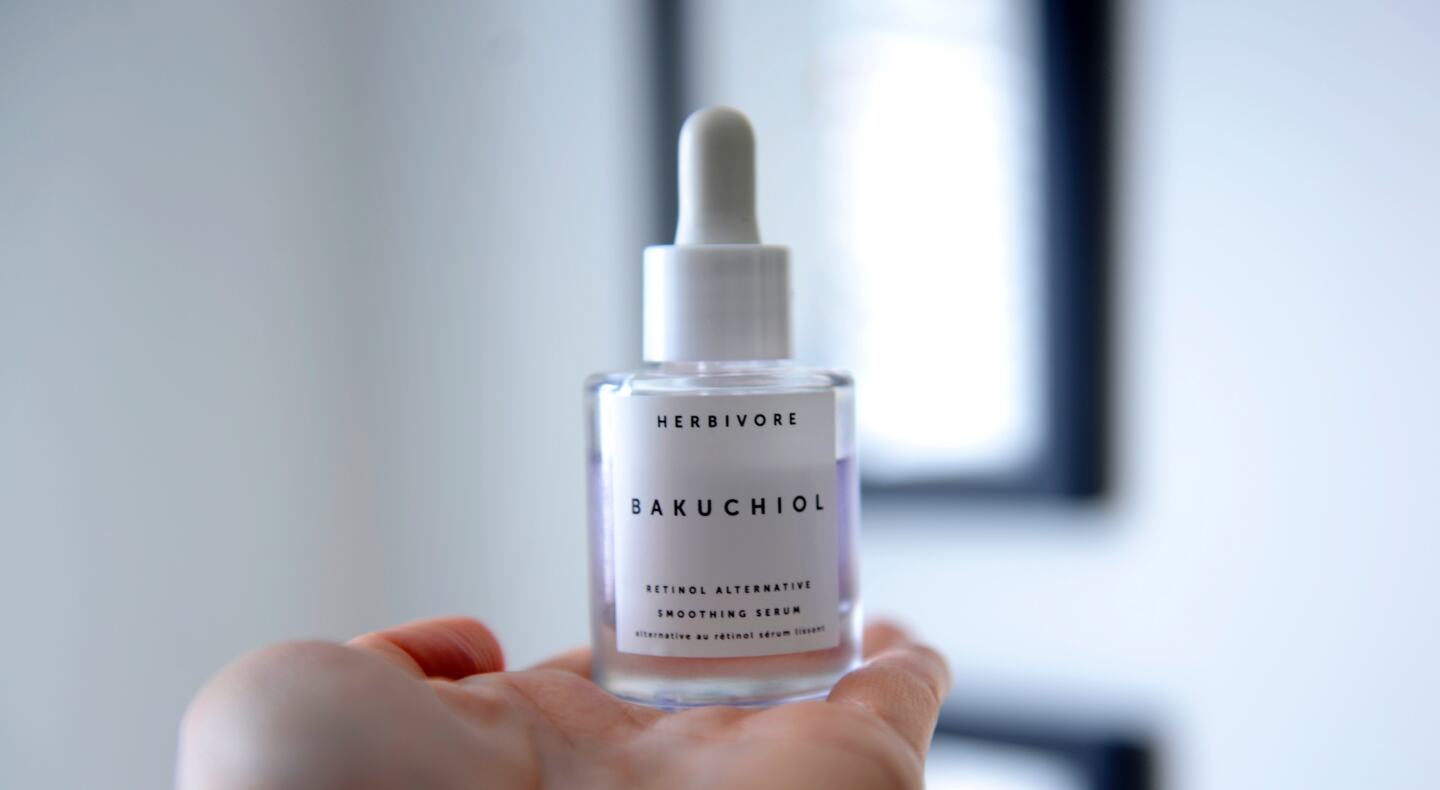
Bakuchiol is an exciting botanical retinol alternative. It is directly extracted from the seeds of the Psoralea Corylifolia plant and shows effective results in clinical studies. Researchers found similar results when comparing Bakuchiol vs. retinol, and the Bakuchiol did not have any of the same side effects as the retinol.
The Bakuchiol vs. retinol debate will likely continue for some time, especially since the Bakuchiol scientific evidence is still limited and more studies need to be done. However, for those looking for a natural, botanical retinol alternative, Bakuchiol products are worth checking out.
5) Retinol Is Avoided In Pregnancy
The concern about using retinol or retinoids topically during pregnancy arises because of the known risks of taking oral Isotretinoin, which is highly dangerous to the developing fetus. Topical tretinoin (a prescription retinoid) has not been shown to cause congenital disabilities. Therefore, the FDA does not declare it unsafe in pregnancy, and it is considered class C. It’s important to note that topical retinoids and oral Isotretinoin are two different compounds. Studies of topical retinoids do not apply to oral Isotretinoin.
The American College of Obstetricians and Gynecologists (ACOG) recommends avoiding topical retinoids in the first trimester of pregnancy when the fetus’s organ systems are developing. Avoidance is a cautious approach based on the fact that cosmetics are cosmetics. They are not essential medications. There is no risk to the woman if she doesn’t use her retinol cream. So, a peace-of-mind decision to avoid it during pregnancy is best.
6) Retinol Takes a Long Time to Work
It’s not just retinol. All skincare routines take time before you see results. With any skin product, consistency and patience are key. If you’re looking for rapid and dramatic changes, you need to look into procedures like laser. Building collagen takes time!
The issue with retinol is that the time you take to get to the result is often spent with unpleasant side effects. However, for some, like those using prescription retinoids for acne, this is a very worthwhile sacrifice they’re willing to endure.
For the rest of us, experiencing retinol intolerance for a prolonged period might not seem all that worth it if results can be obtained using other products.
If we must wait months to see results regardless of what we use, why choose the product with a significant downside?
Summary: TL/DR
Retinoids, including retinol, are effective and clinically proven to improve acne and visible signs of aging. However, an intense downside for many people leads them to choose a retinol alternative approach for their skincare.
Using a combination of products will result in similar skin improvements over time. So, instead of pushing through the pain of redness, irritation, dryness, photosensitivity, and increased acne waiting for retinol to work, try a combination of other products like: alpha-hydroxy acids, vitamin C, niacinamide, and the botanical retinol alternative Bakuchiol.



Leave a Reply